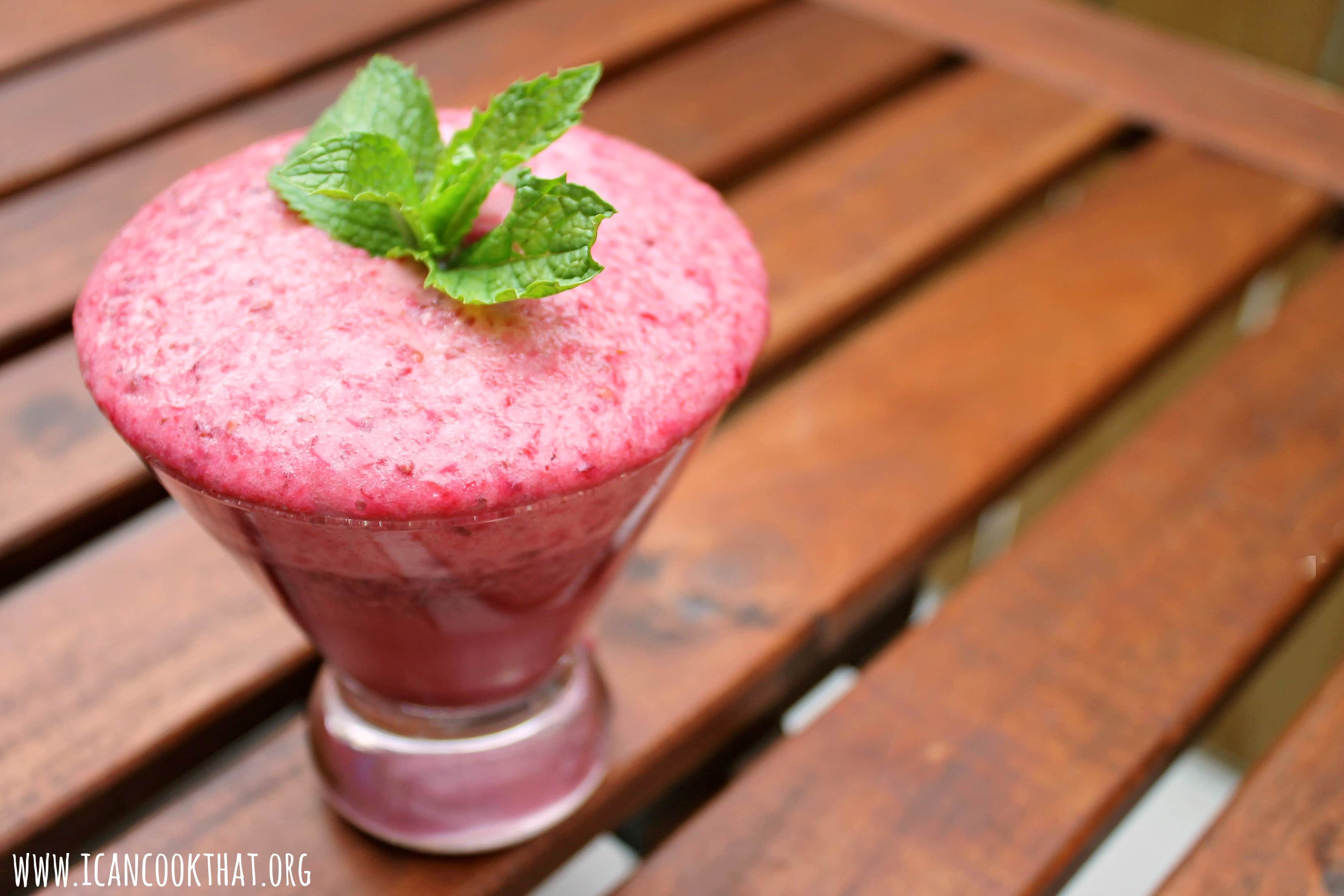
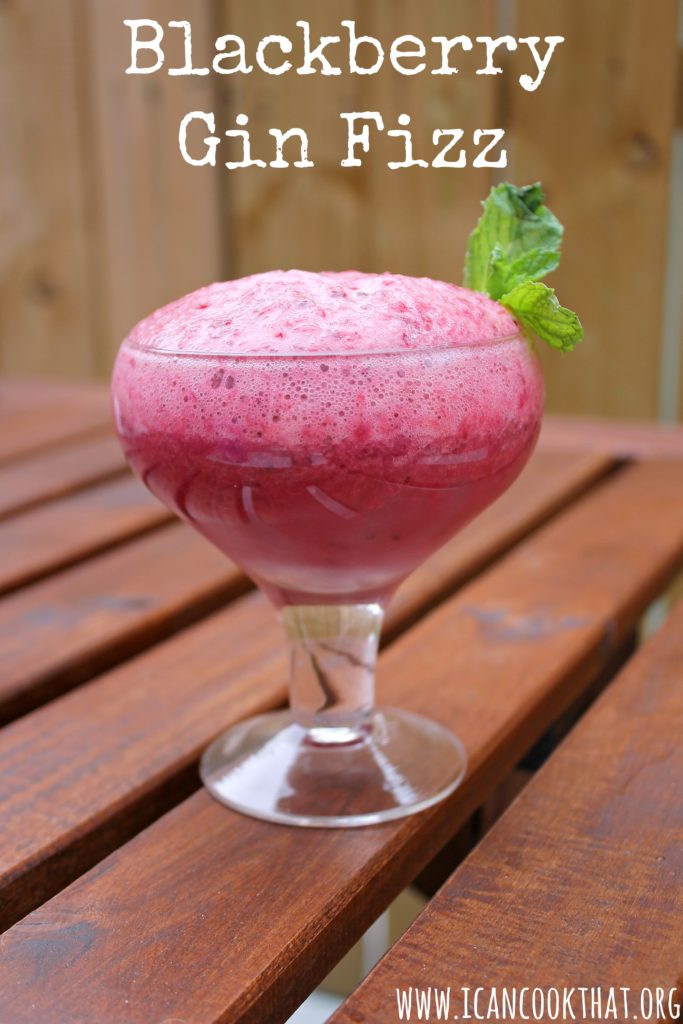
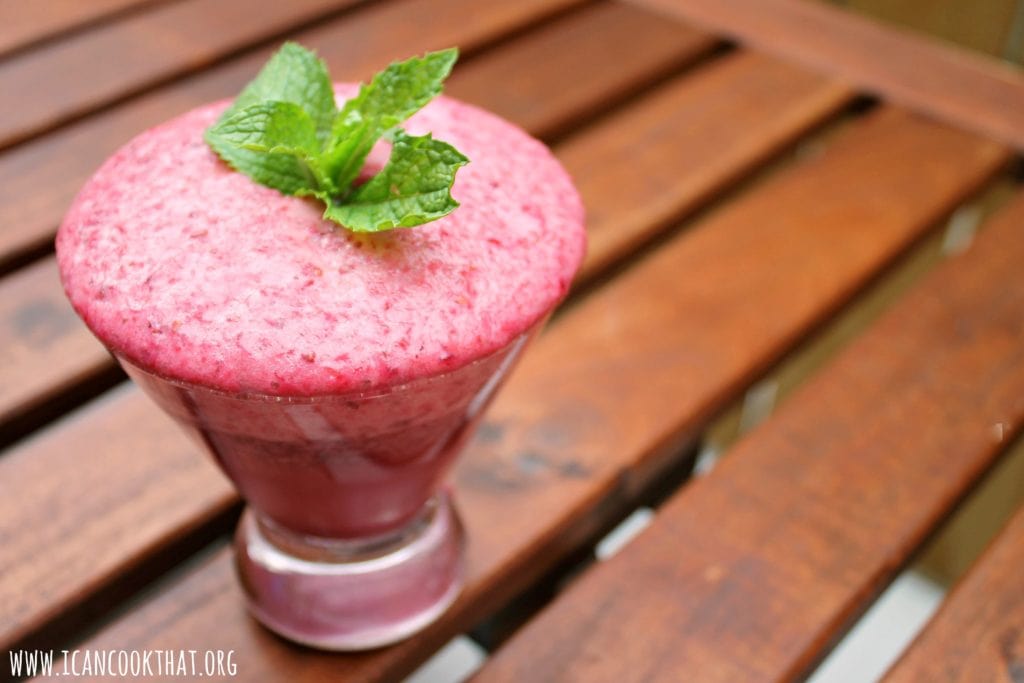
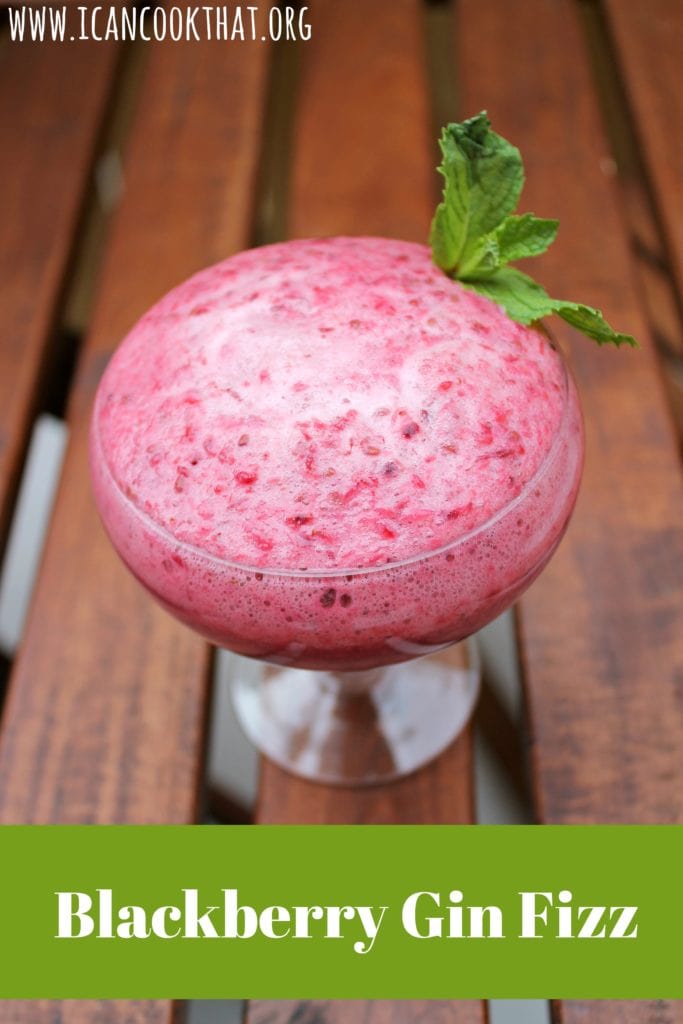
It’s been a little while since I shared a cocktail recipe! I’ve been meaning to make this Blackberry Gin Fizz cocktail since I saw a version of it in the June issue of Cooking Light.
A “fizz” is a cocktail that includes an acidic juice (lemon or lime usually) and carbonated water. Fizzes typically also use egg whites in the recipe to add some extra froth on top.
I absolutely love gin fizzes, they are a perfect warm-weather drink. I used the Cooking Light recipe for a Blackberry Gin Fizz as a starting point, but adapted it slightly.
Note: This post is sponsored by Moyer Beef. All opinions are mine alone.
I’m excited to share that my blog is about to get considerably more beefy! For the next few months, I’ve partnered with Moyer Beef to share some awesome beef recipes. Moyer Beef sources beef and angus beef locally from small family farms in the Northeast. I’ve been sent a bunch of different cuts, so I can’t wait to share some recipes!
Source: moyerbeef.com
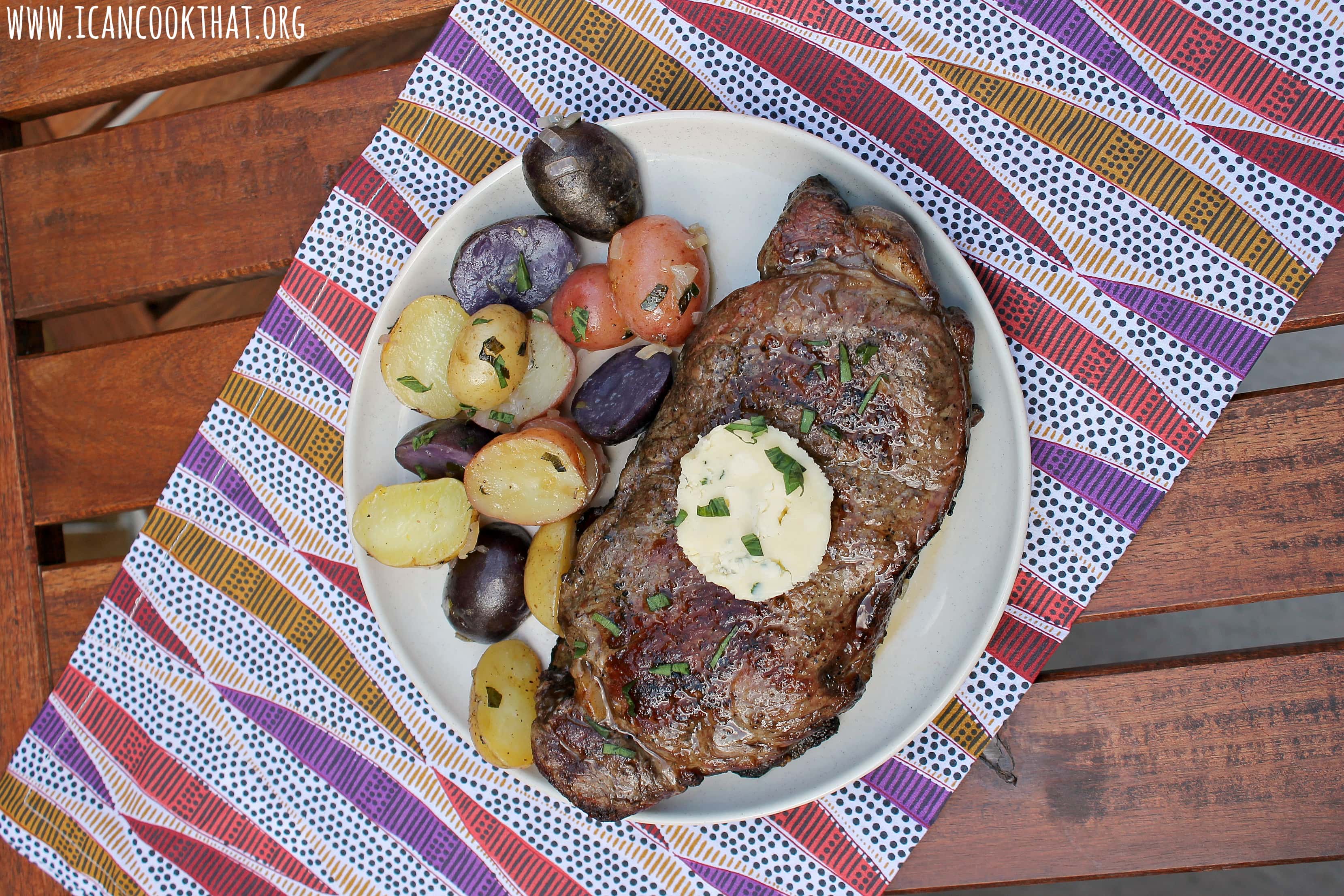
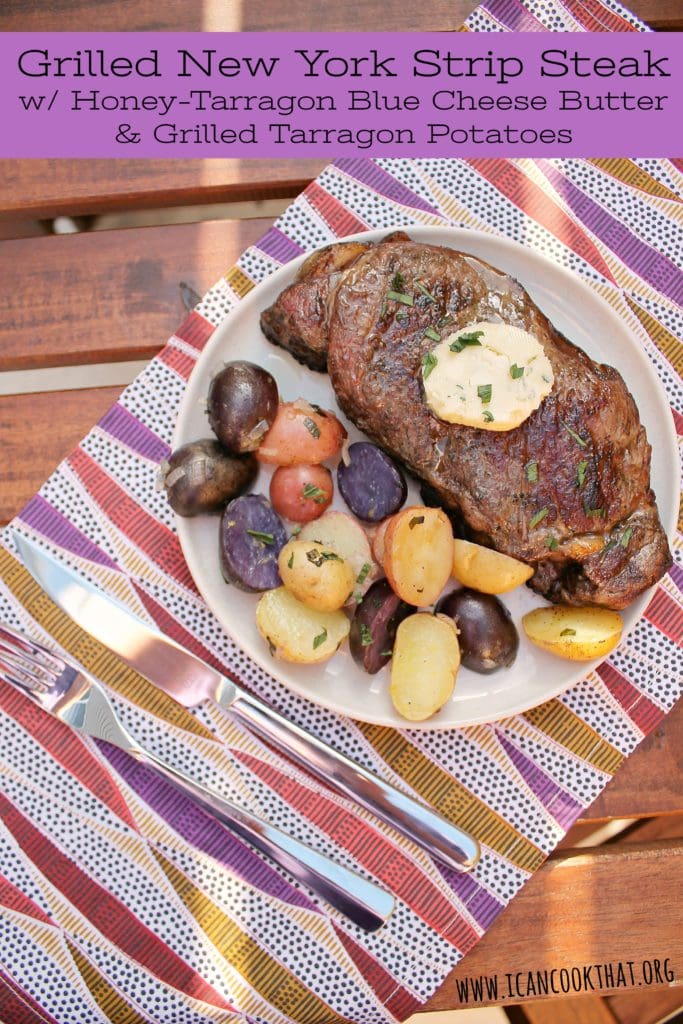
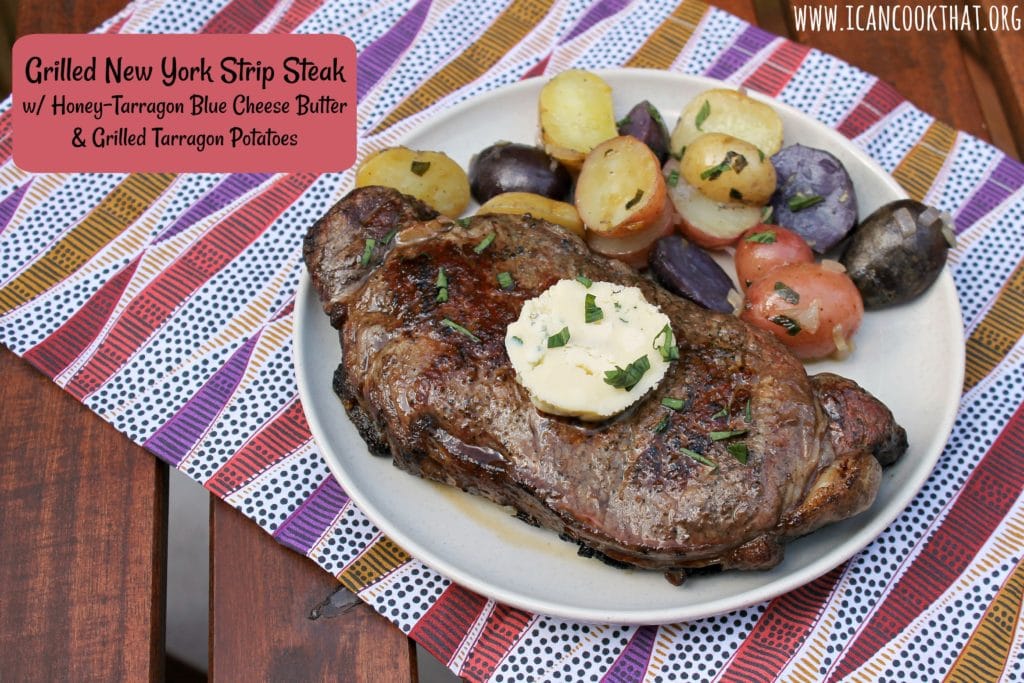
First up, I decided to make a grilled meal using Moyer Beef’s Angus New York Strip Steaks. New York Strip Steak is also known as Kansas City Strip Steak or Ambassador Steak in the US and Sirloin Steak or Porterhouse Steak in Europe. This cut is particularly tender and flavorful. Angus New York Strip Steak, known for their marbling, are even more flavorful (marbling = flavor). This cut of steak comes from the short loin, along the back of the cow. (Fun fact = a T-bone steak is a New York Strip Steak with the bone and tenderloin still attached.)
So, in my opinion, the flavor of a New York Strip Steak should be allowed to mostly shine on its own. Adding a bit of fancy butter on top won’t hurt though, right?
Playing off the flavors of the Honey-Tarragon Blue Cheese Butter, I also made Grilled Tarragon Potatoes to go with the steak. The result is these crave worthy recipes for Grilled New York Strip Steak with Honey-Tarragon Blue Cheese Butter & Grilled Tarragon Potatoes!
I have the unnecessary “skill” of setting off my smoke alarm almost every time I use my oven or stovetop. I’m going to blame it on my house having an overly sensitive smoke alarm (which I guess is better than one that doesn’t work at all). So in the summer, I basically turn every recipe into a grilling recipe so I can cook outdoors.
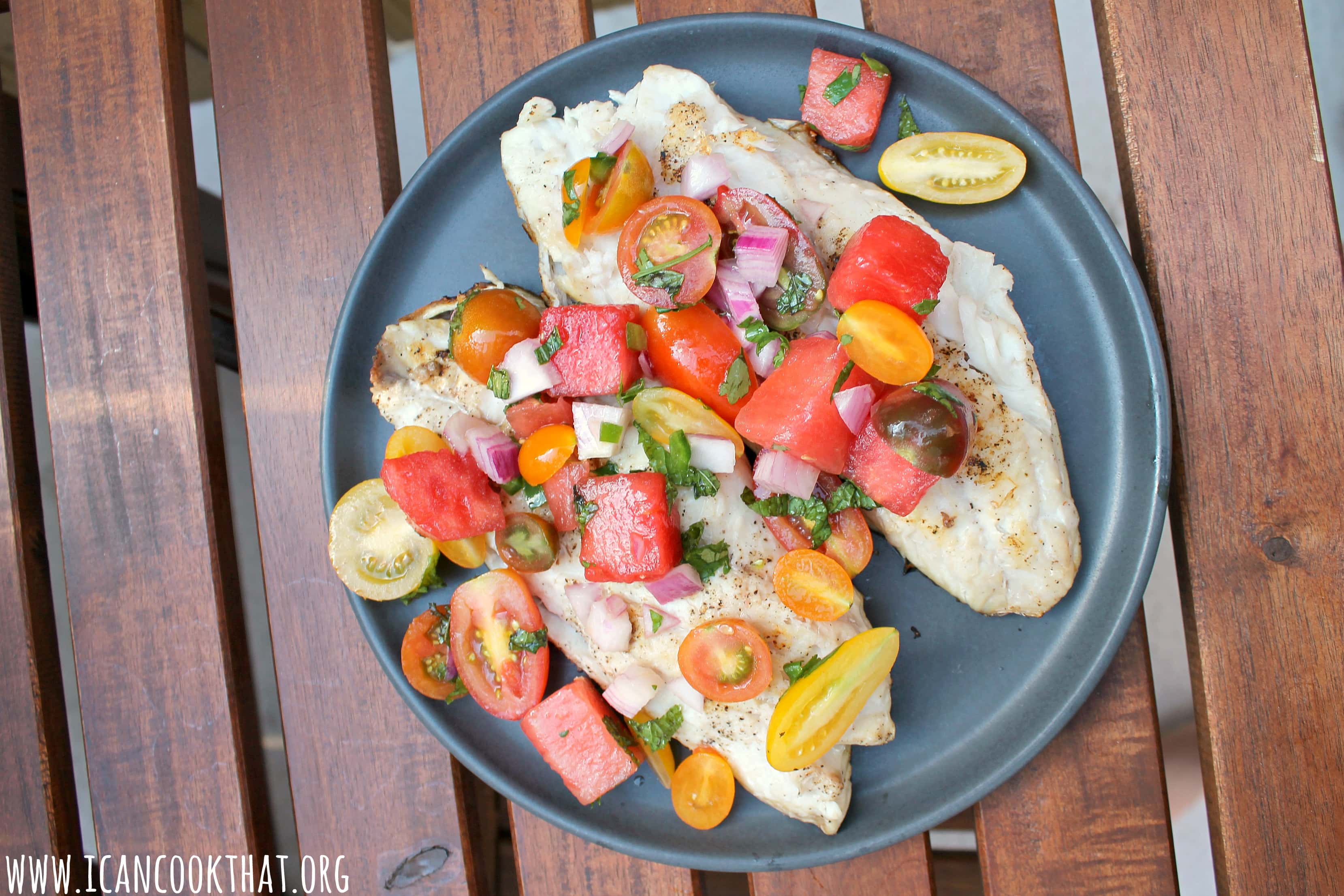
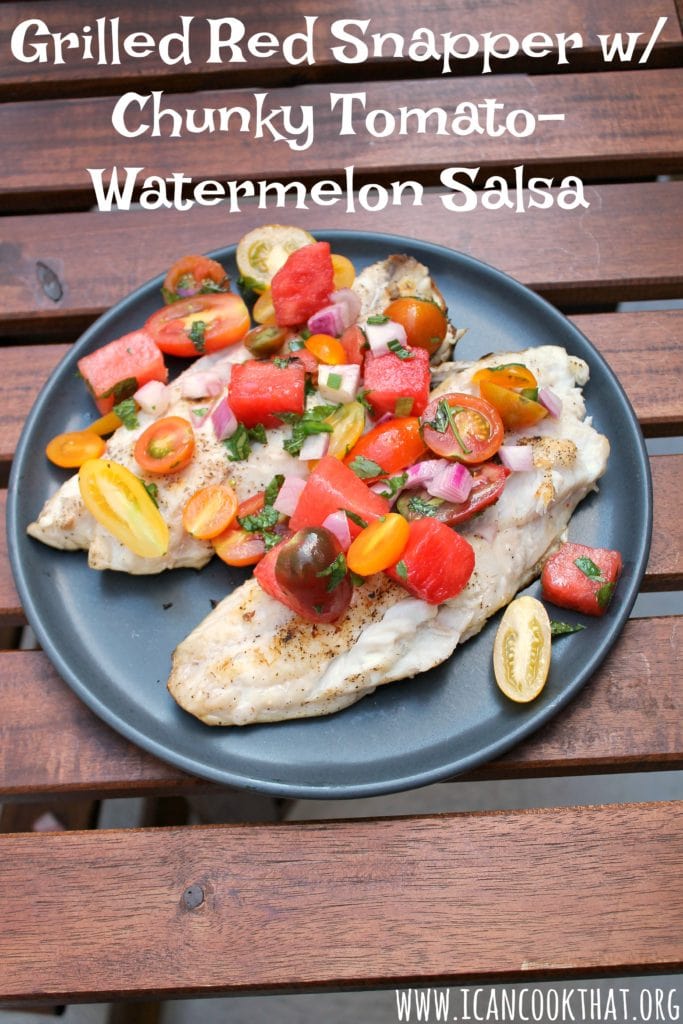
This recipe is adapted from Cooking Light. Making it on the grill means I didn’t get as crispy skin on my red snapper (mainly because it stuck to the aluminum foil), but that’s ok. Feel free to check out the original recipe to make indoors.
Excuse the lack of posts, my husband and I went to Montreal and Quebec City last week, so no cooking for me! Both Montreal and Quebec City are pretty amazing food cities, and I definitely made to eat my way through both. (And yes, we somehow managed to have poutine four times!)
Needless to say, when we returned to Philly, we both were looking to eat a bit… lighter.
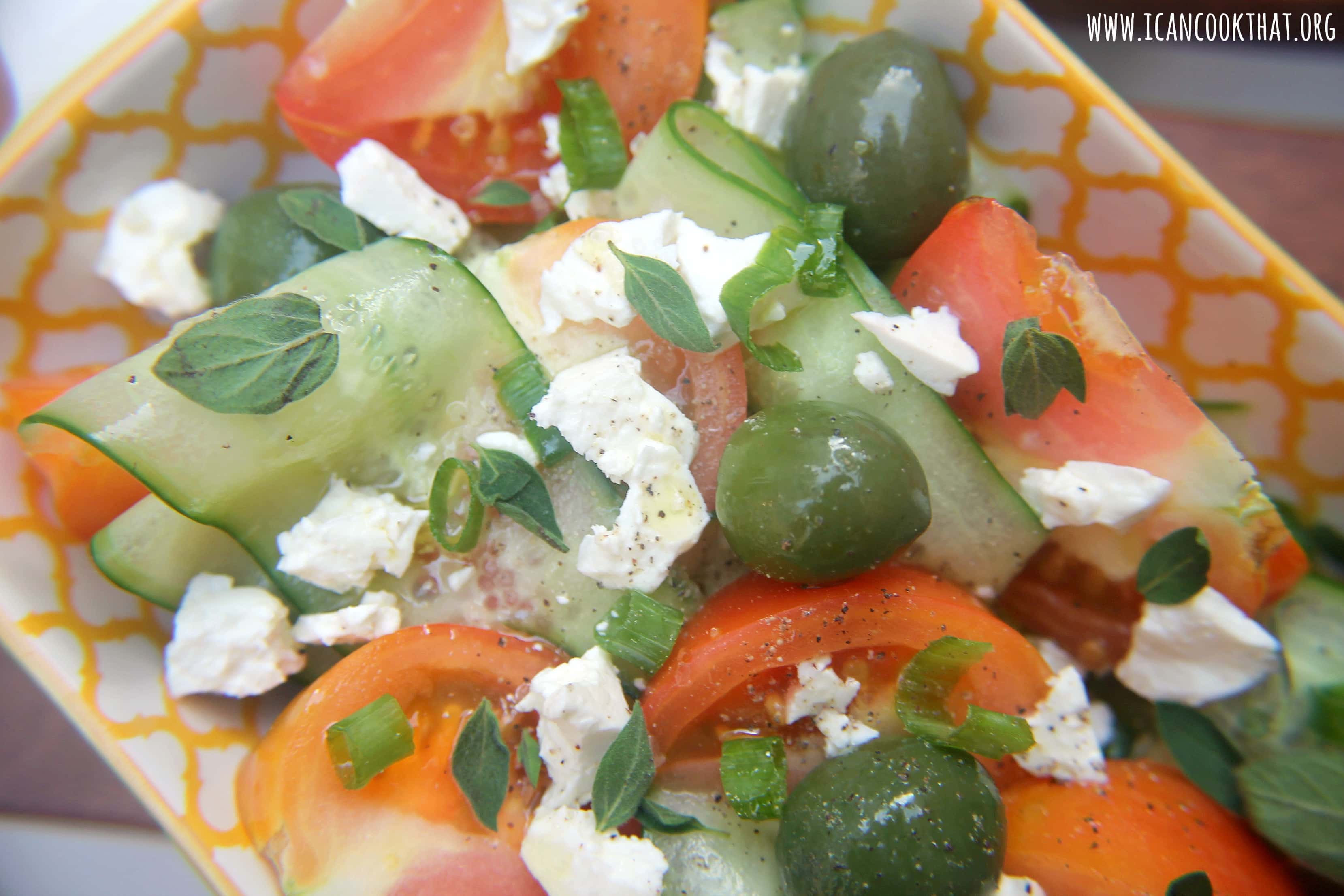
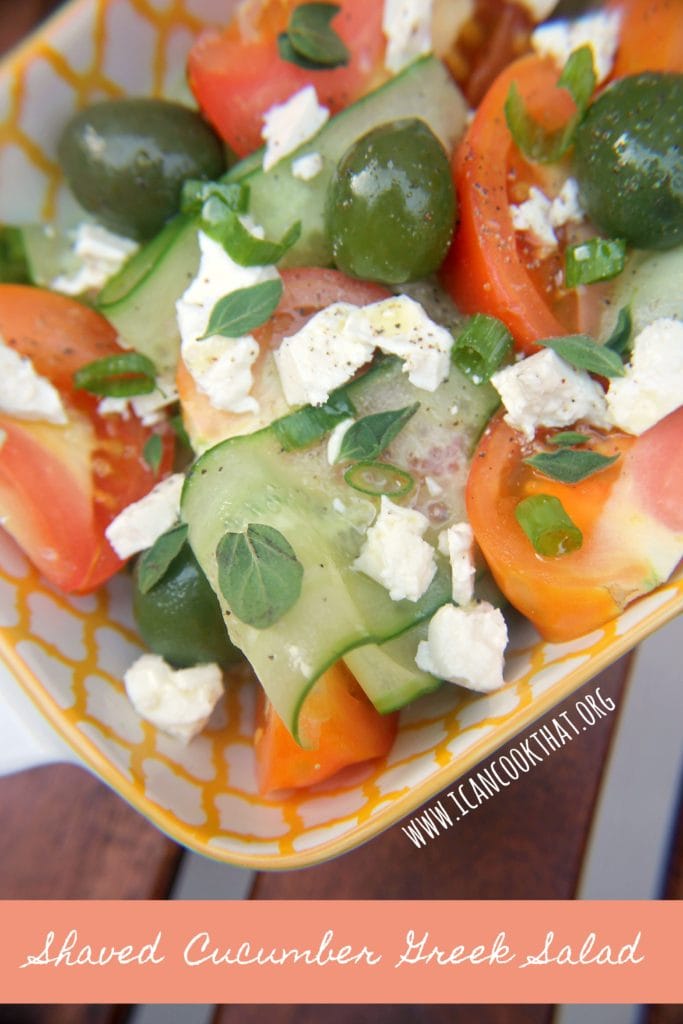
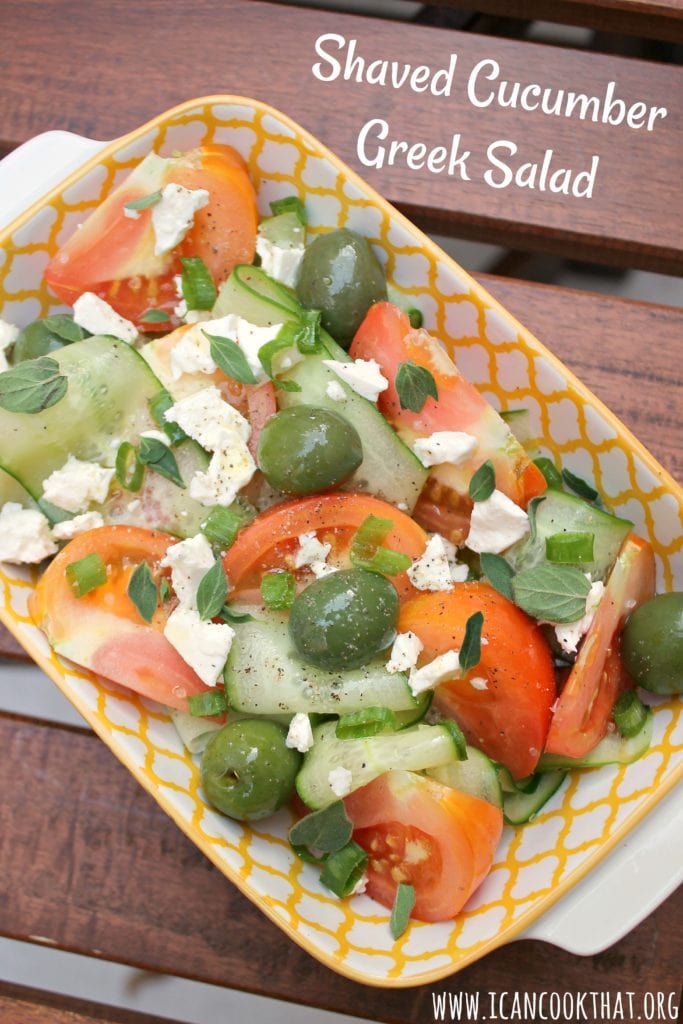
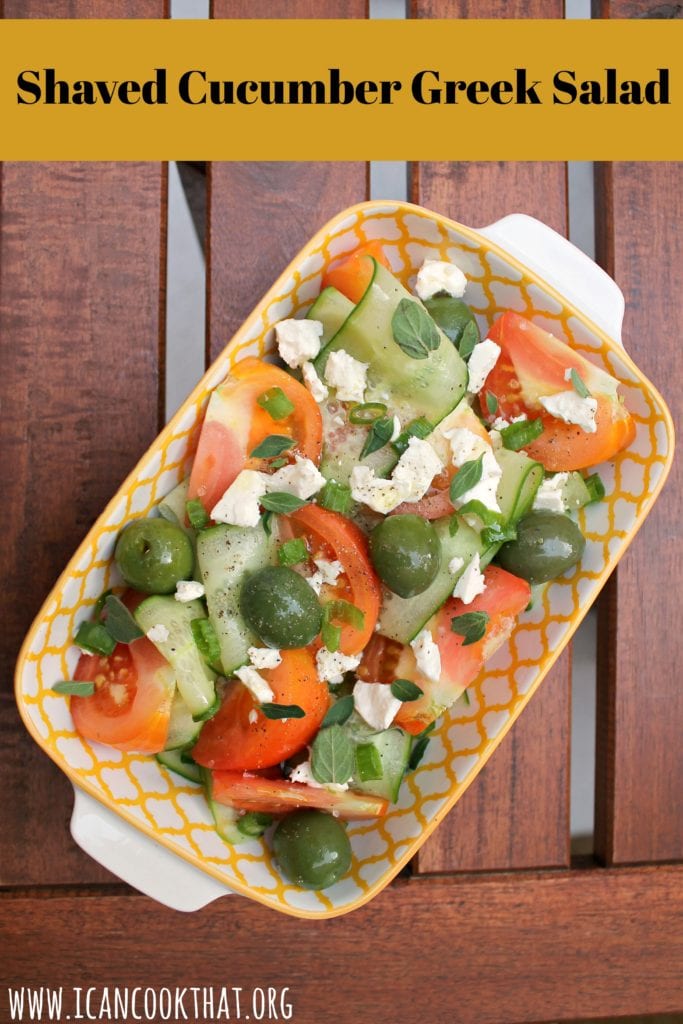
This recipe adapted from Cooking Light for Shaved Cucumber Greek Salad is a simple but different take on a traditional Greek salad. It looks fancier than it really is, the only special tool needed is a veggie peeler.
Ingredients:
2 cucumbers
1 large heirloom tomato, cut into wedges
2/3 cup pitted Castelvetrano olives
1/2 cup sliced green onions
1/3 cup feta cheese, crumbled (I suggest using French feta)
We were recently heading to a friends house for dinner and were asked to bring a salad.
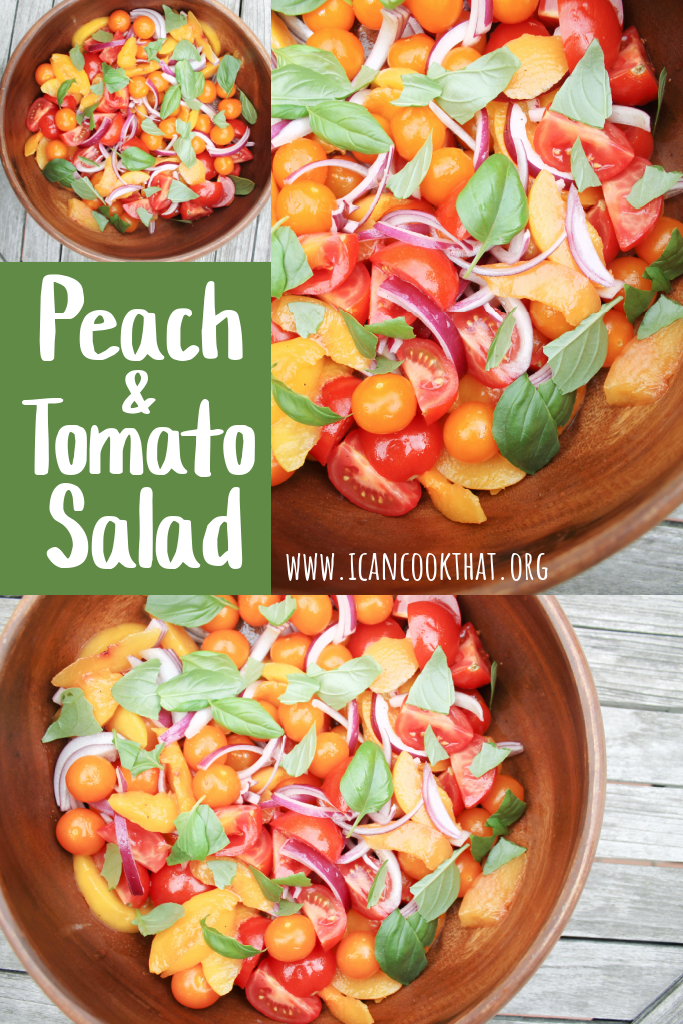
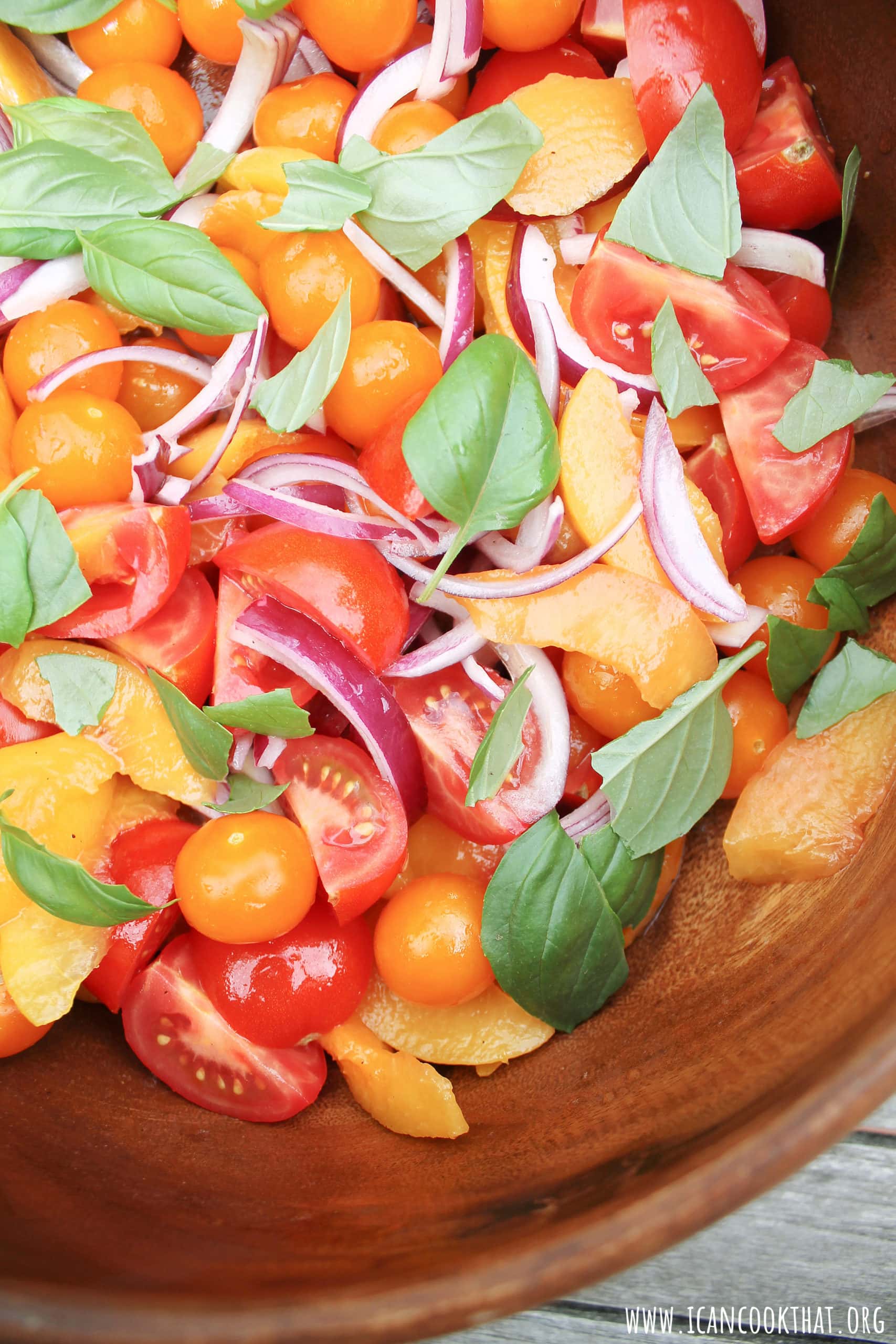
I didn’t necessarily want to bring a traditional lettuce-based salad, so I went in search of something that made the most of what’s in season at the moment, like this Peach and Tomato Salad.
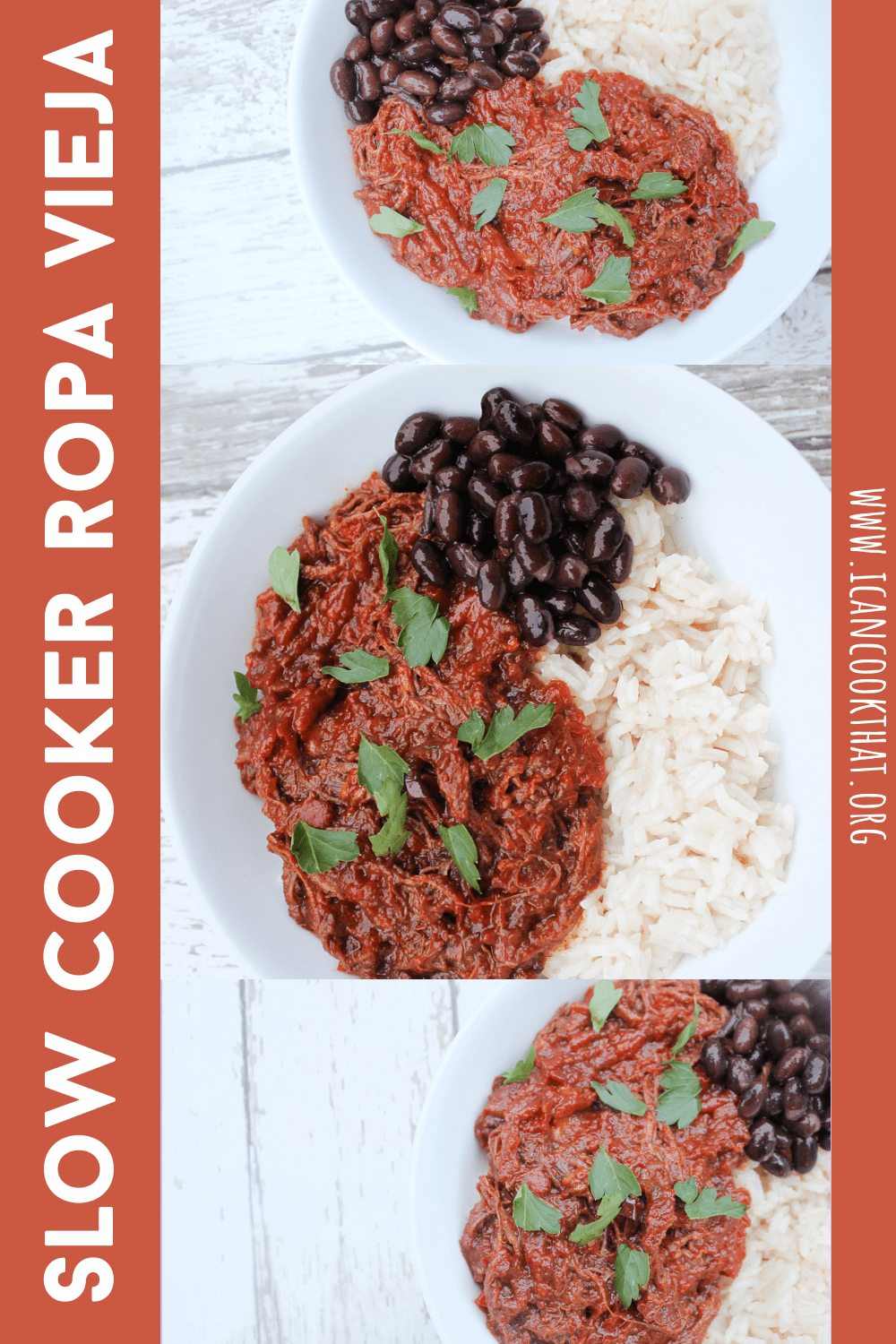
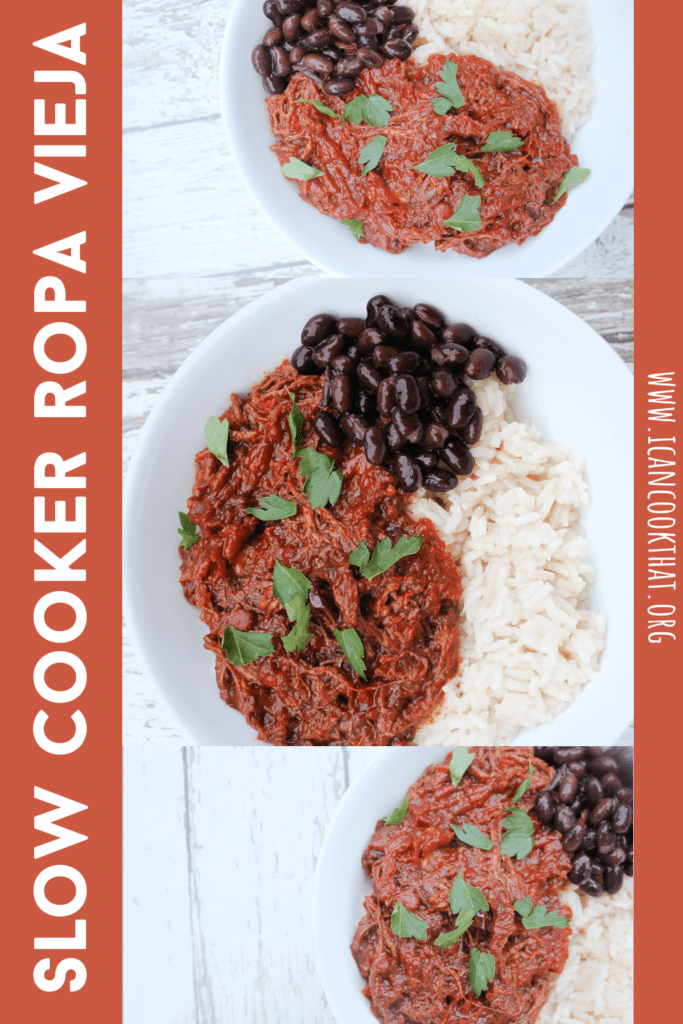
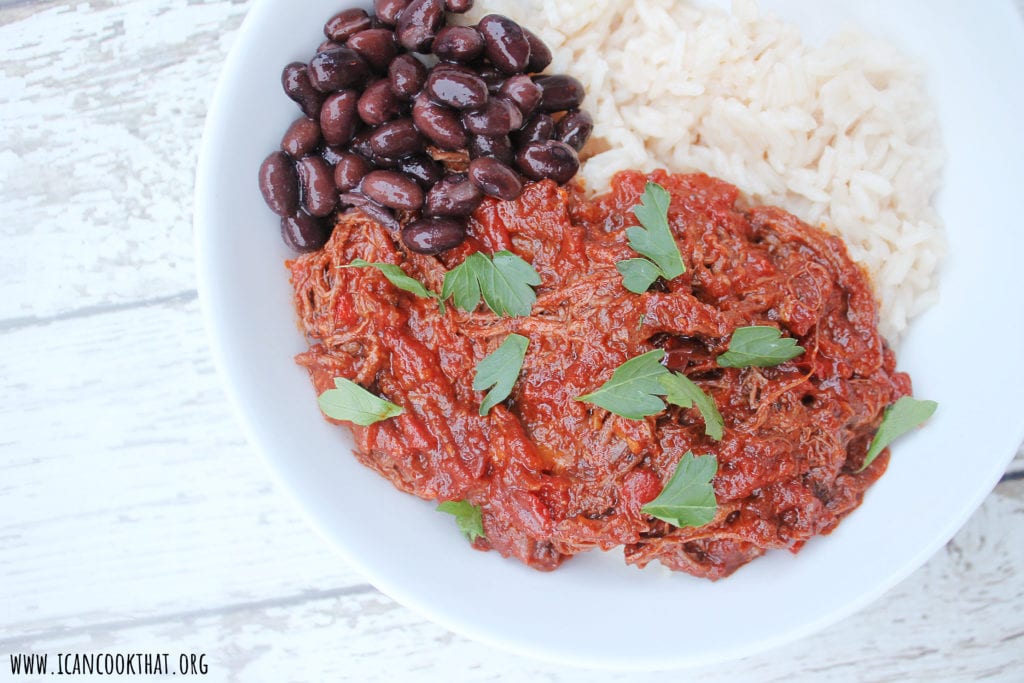
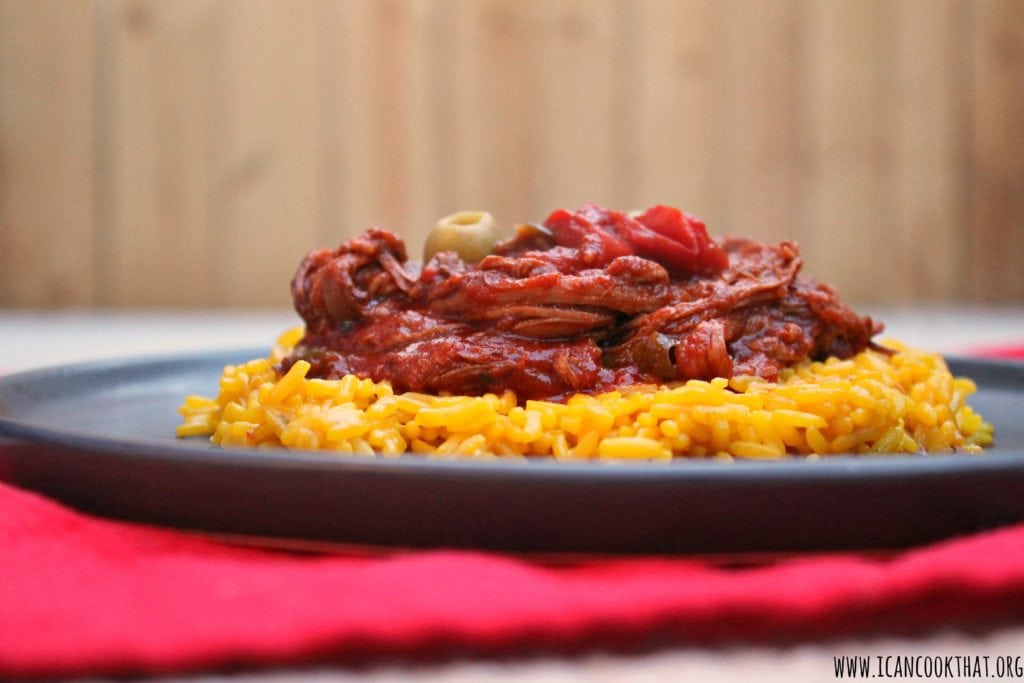
I love love love this recipe for Slow Cooker Ropa Vieja. It’s a perfect slow cooker meal, which means dinner is ready for me when I come home from work.
Ropa Vieja translates to “old clothes,” referring to the shredded beef and colorful peppers in a tomato sauce with caramelized onions that resemble torn cloth. It’s a well-known Cuban dish, but its origins go back to Sephardic dishes in the Middle Ages.
This version has a bit more prep work to it to fully develop the flavors. Trust me, it’s worth it!
This shop has been compensated by Collective Bias, Inc. and its advertiser. All opinions are mine alone. #GetGrillingAmerica #CollectiveBias
Can you believe it is almost Memorial Day? Since the first relatively nice day we had this spring, I’ve been dreaming of warm weather and outdoor grilling; I cannot wait to kick off the unofficial start of summer with a true backyard barbecue! To break in my grill for the season, what better choice than to get some ribs on the grill?
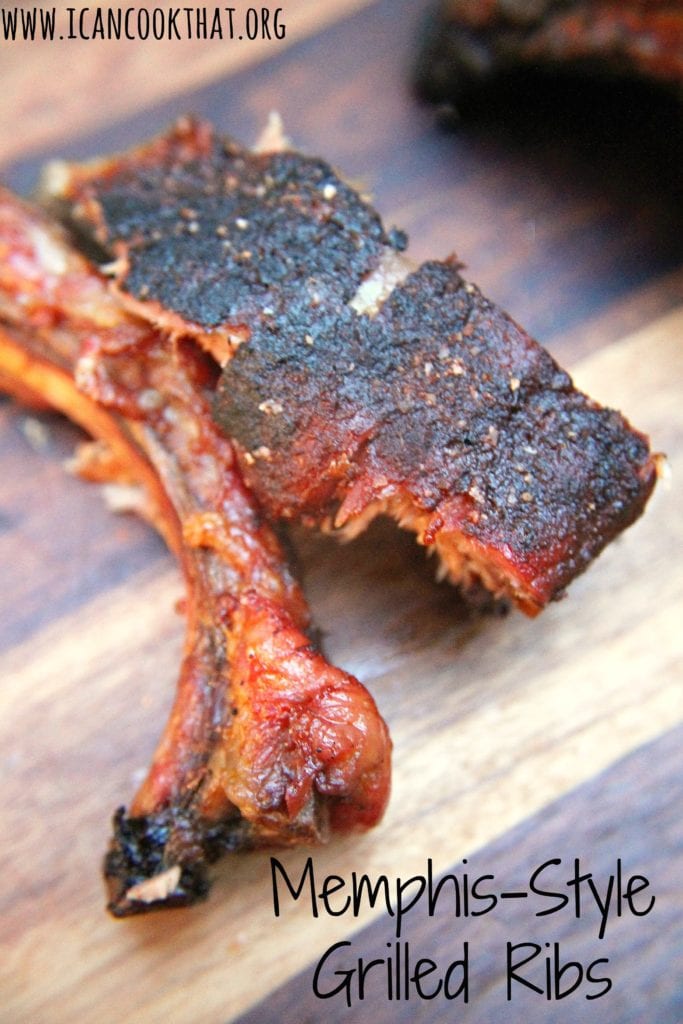
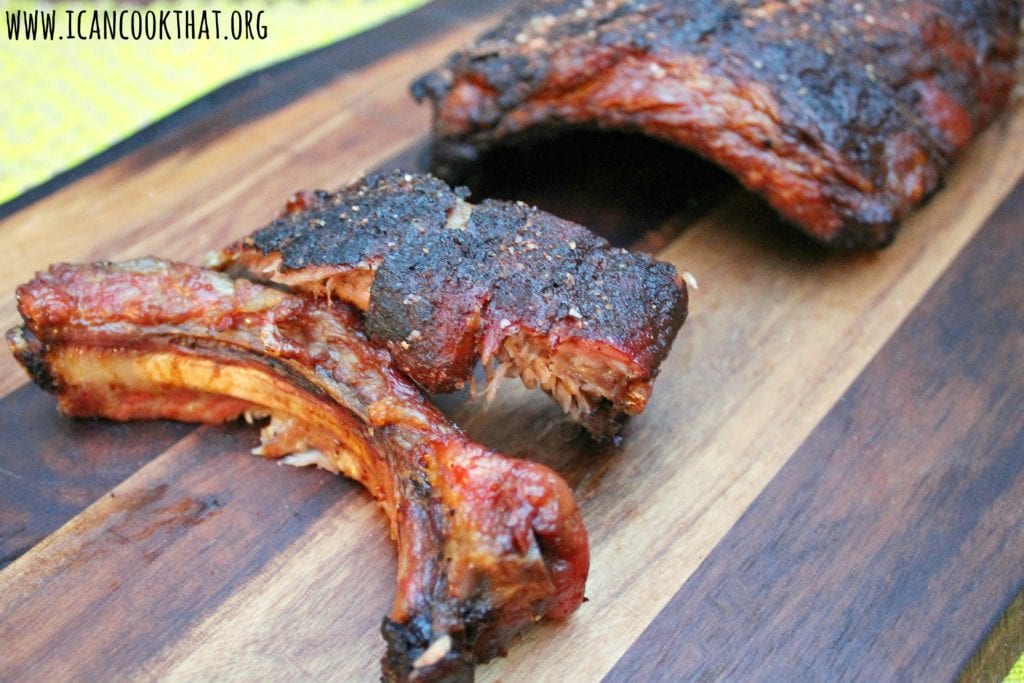
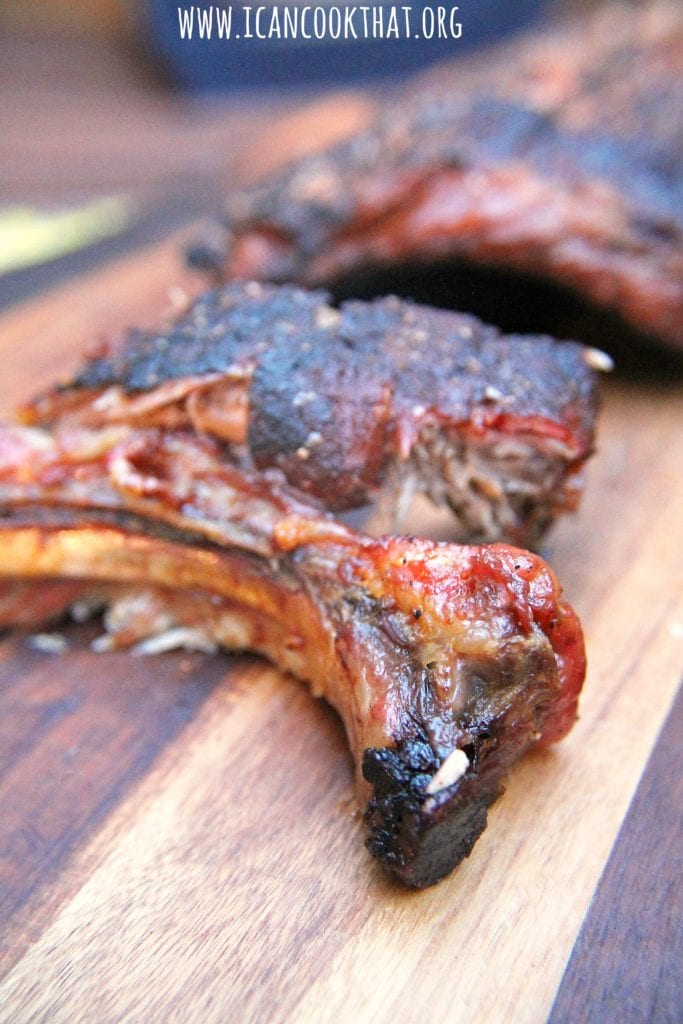
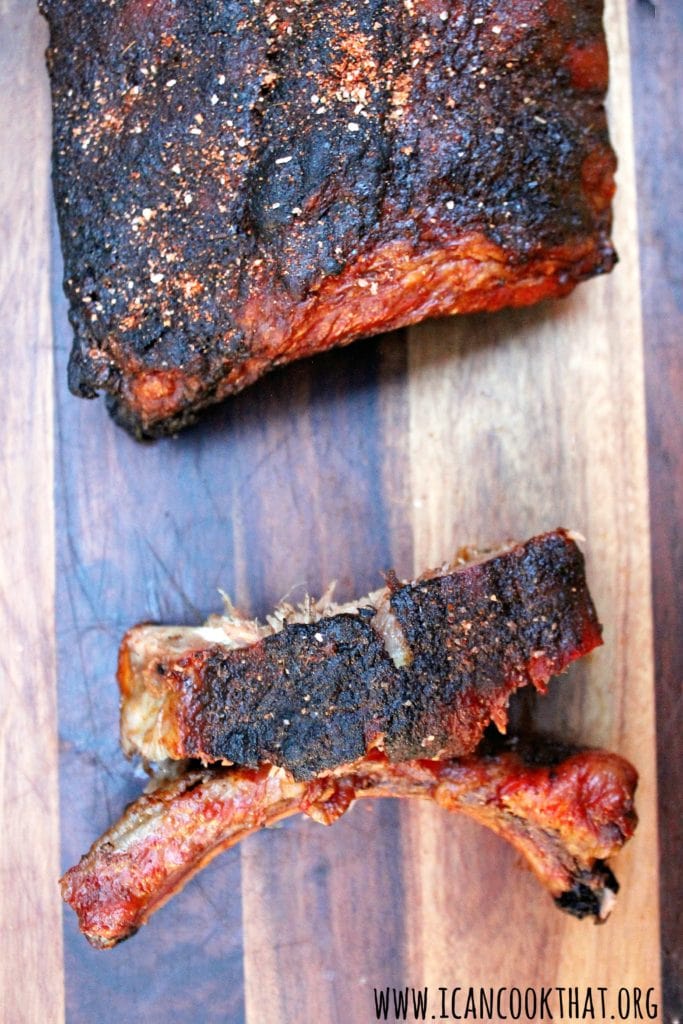
I have a few recipes on my blog for Slow Cooker Ribs, dripping in yummy homemade barbecue sauce. But when it comes to ribs on the grill, I like mine smoky and seasoned with a flavorful dry rub, like this recipe for Memphis Style Grilled Ribs. Grilling ribs takes some time but is a pretty simple process. Cooking them low and slow results in a wonderfully tender meat that is nice and juicy on the inside, with a beautiful crust on the outside.
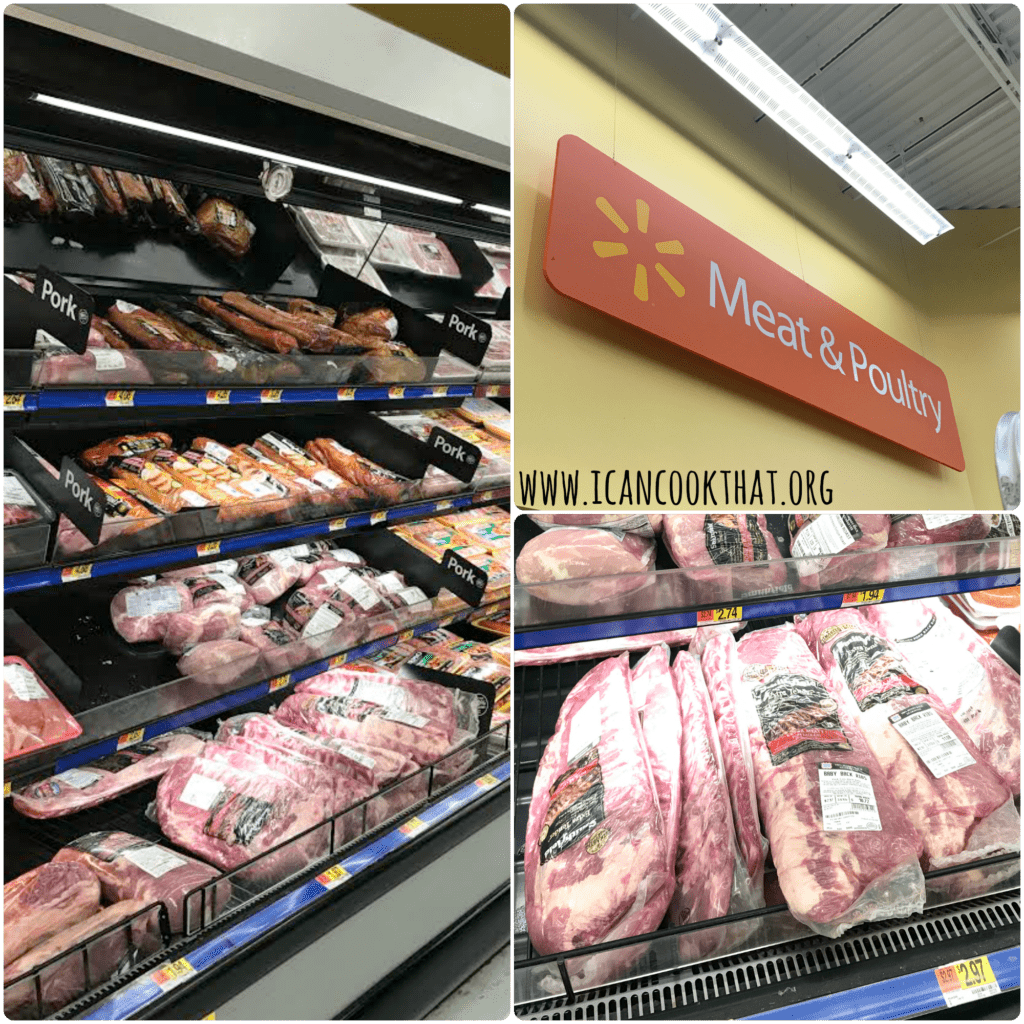
I picked up a rack of Smithfield Fresh Pork Back Ribs from Walmart, as well as some charcoal, and hickory wood chips. Smithfield Fresh Pork ribs are hand-trimmed and have no added hormones or steroids. They are extra tender and juicy, making them perfect for grilling.
(As a said above, smoky ribs are a favorite of mine!) I love love love the flavor that charcoal imparts on grilled food.
Adding some chips on top of the charcoal adds another level of smoky flavor to the ribs.
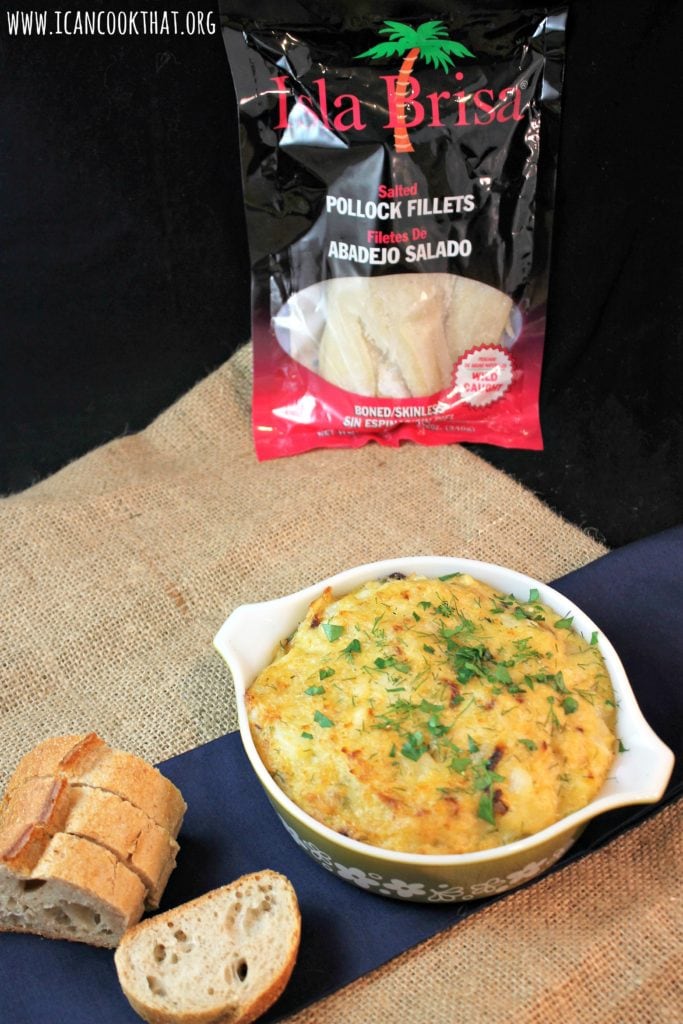
One of my favorite parts of this blog is challenging myself to use new and different ingredients and/or new and different techniques. So when I was contacted to participate in CFE’s International Saltfish Blogger Recipe Challenge, I jumped at the chance.
So what exactly is saltfish? It is fish, typically cod, pollock, or other white fish cured with dry salt to preserve it. This method of preservation dates back centuries, as it helped preserve fish without refrigeration.
CFE International offers a number of brands of salt fish: Buena Ventura, Cristobal, BacalaRico, and Isla Brisa. For this challenge, I was sent some Isla Brisa Salted Alaska Pollock Fillets to use in a recipe. (You can find these brands of saltfish in your local Cousins, H-Mart, Jetro, Price Chopper, and Price Rite supermarkets.)
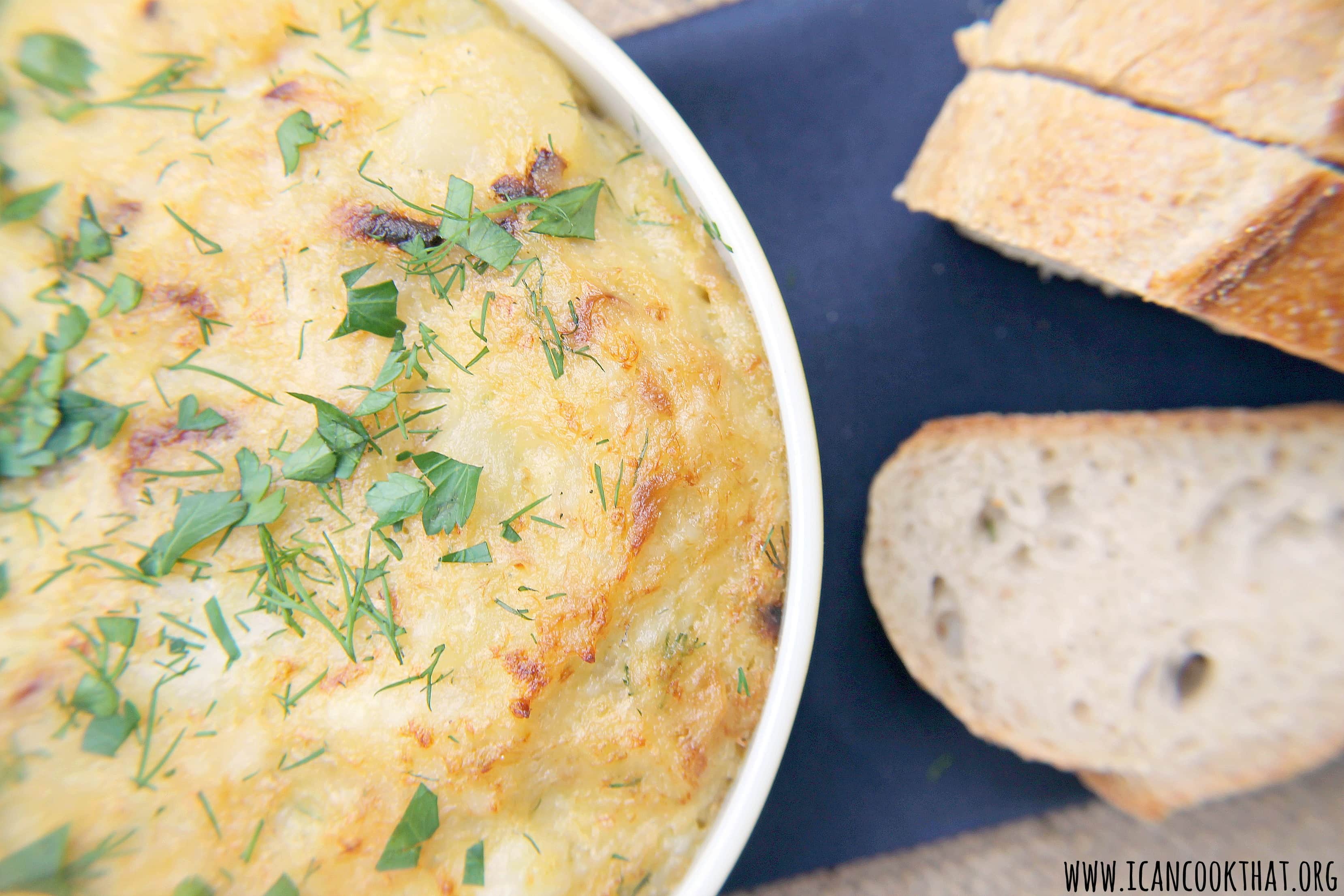
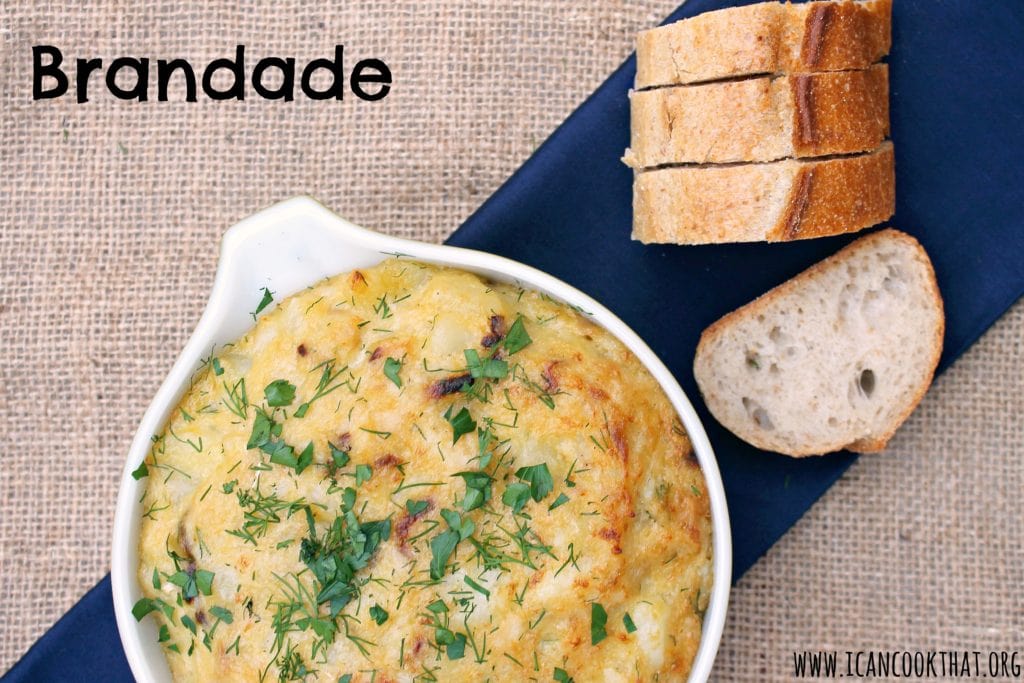
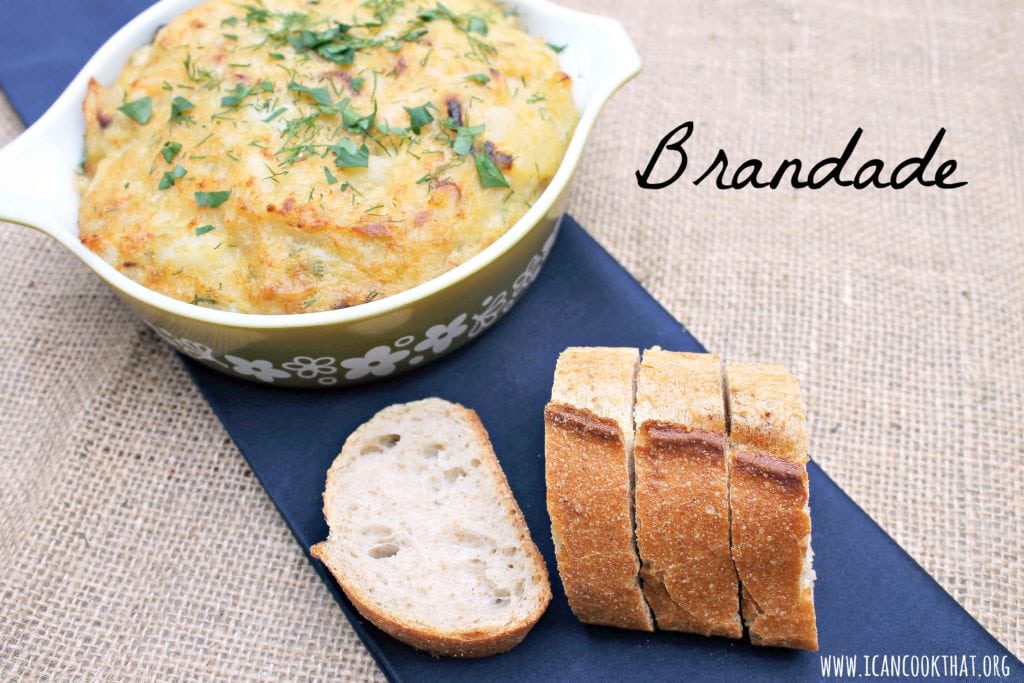
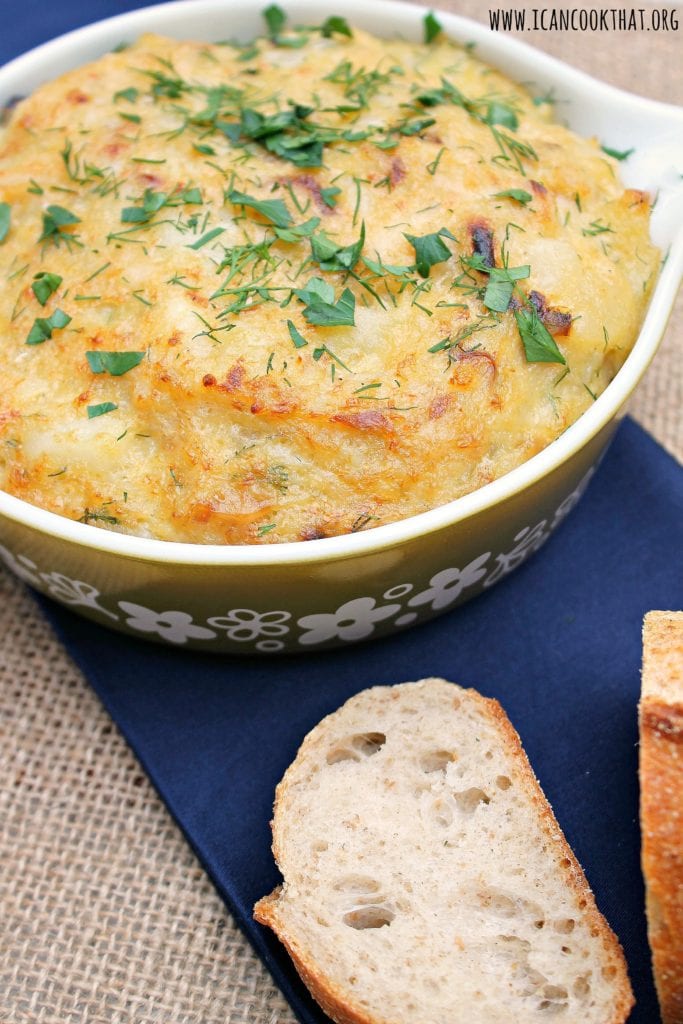
I decided to do a spin on Brandade (Whipped Salt Fish Spread), a salt fish spread popular in Mediterranean countries. It’s also known as Brandada in Spain, and Baccala Mantecato in Italy.
The spread is whipped salt fish, potatoes, olive oil, and cream with seasoning and is served with crusty bread. My version below adds in some roasted garlic, caramelized onions, and horseradish to add new layers of flavor.
NOTE: I was sent some blood oranges and cara cara oranges from The Limoneira Company to use in a recipe. All opinions are mine.
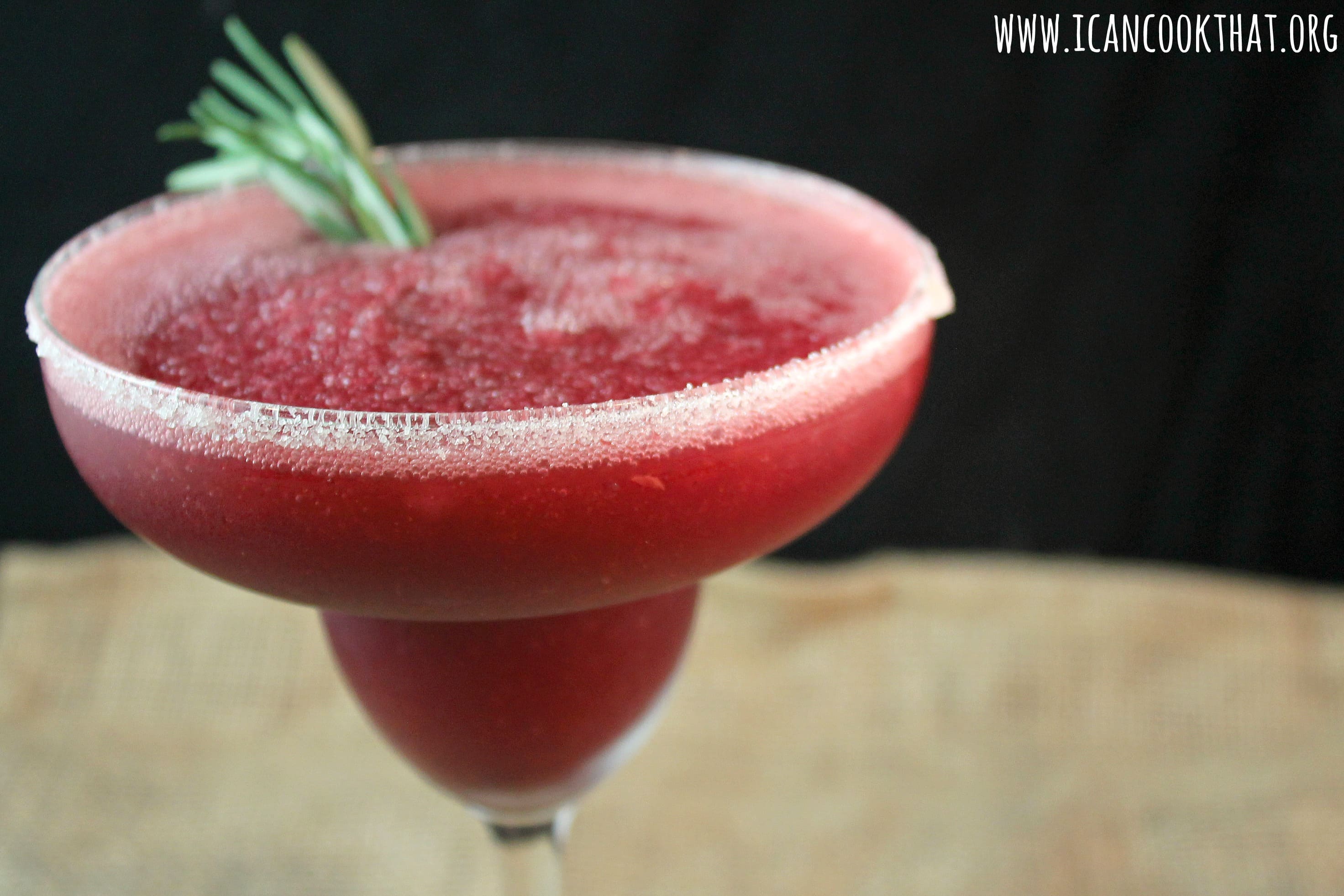
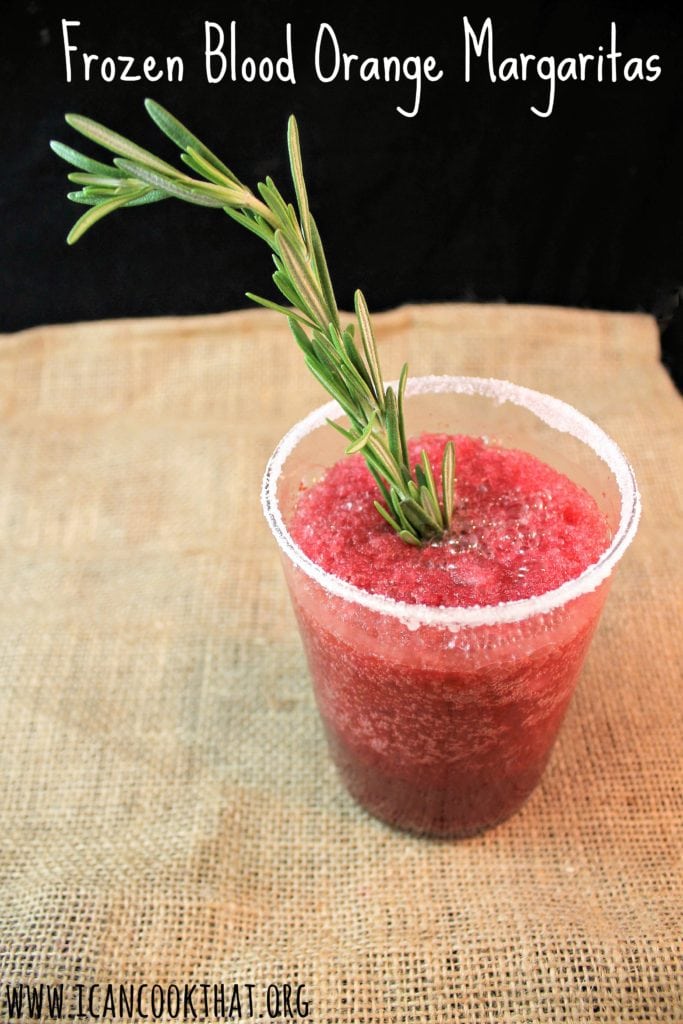
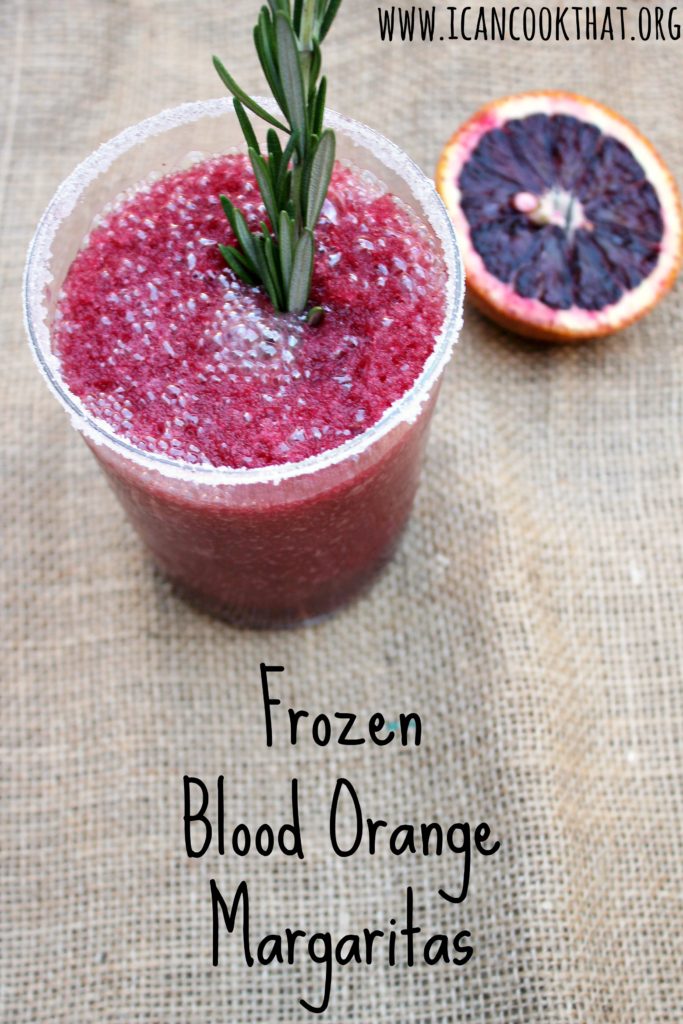
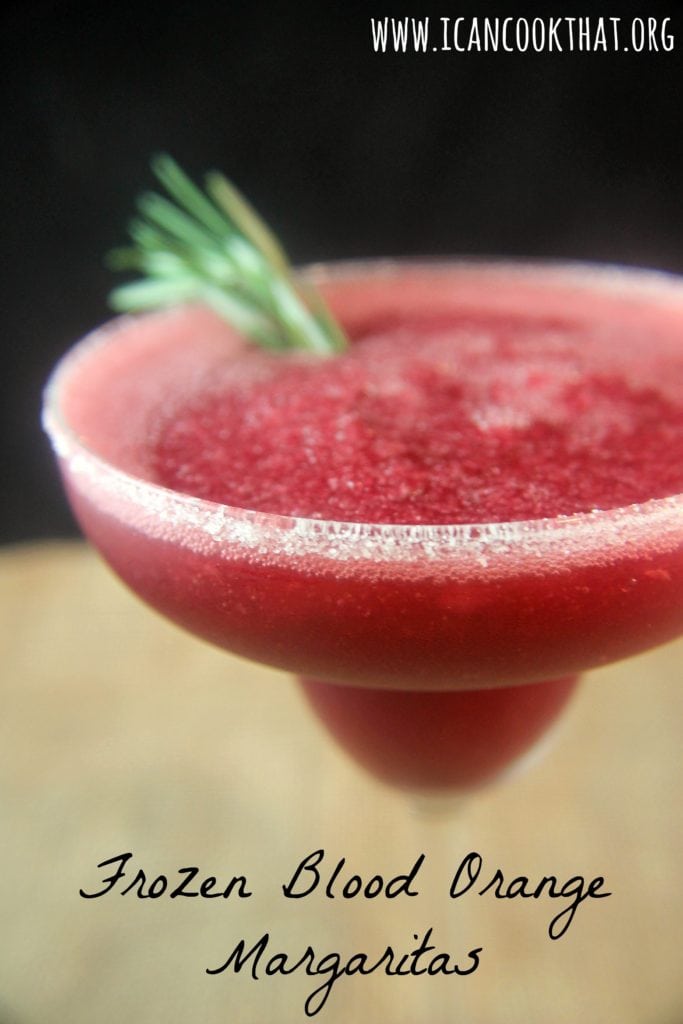
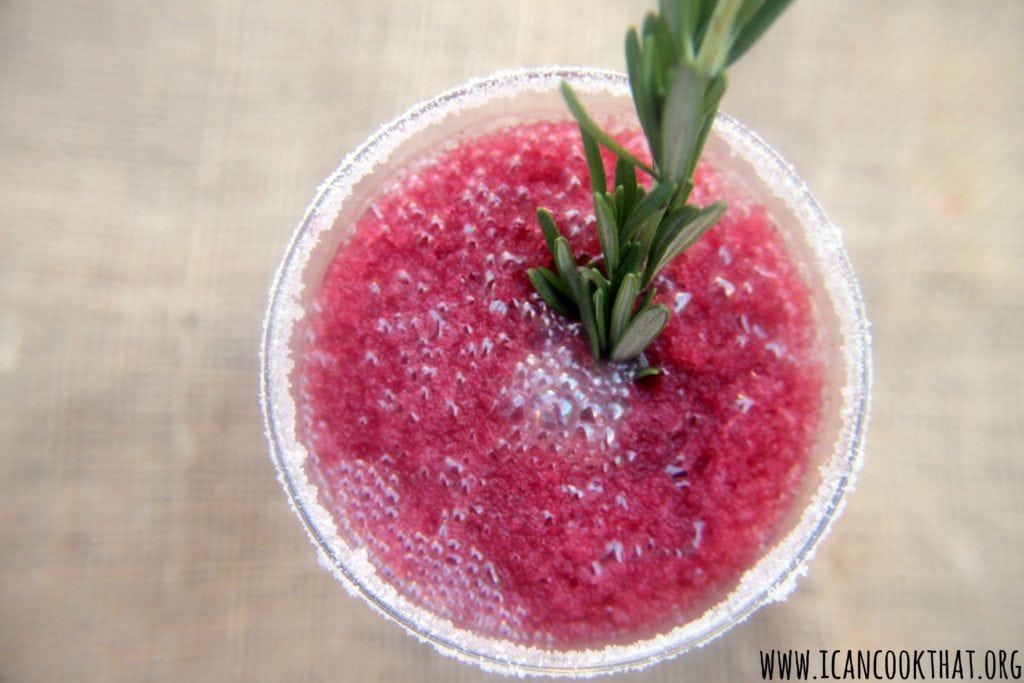
It’s pretty obvious that I love citrus, I use the juice and zest of lemons, limes, and oranges in most of my recipes, so I’m excited to share this recipe for Frozen Blood Orange Margaritas.
So when The Limoneira Company contacted me to help spread the word about their new offerings, I jumped at the chance. Limoneira is traditionally known for its lemons, but recently began expanding their orchards to include more specialty citrus, including Cara Cara and Blood Oranges.
Blood Oranges have a slightly less acidic taste than regular oranges, and their bright red color makes for some really beautiful dishes. I wanted to showcase their color, so I decided to make blood orange margaritas.
As much as I am trying to will it to be spring, it is still pretty cold in Philadelphia, so this version has a bit of cinnamon to add a bit of warmth to the flavor.
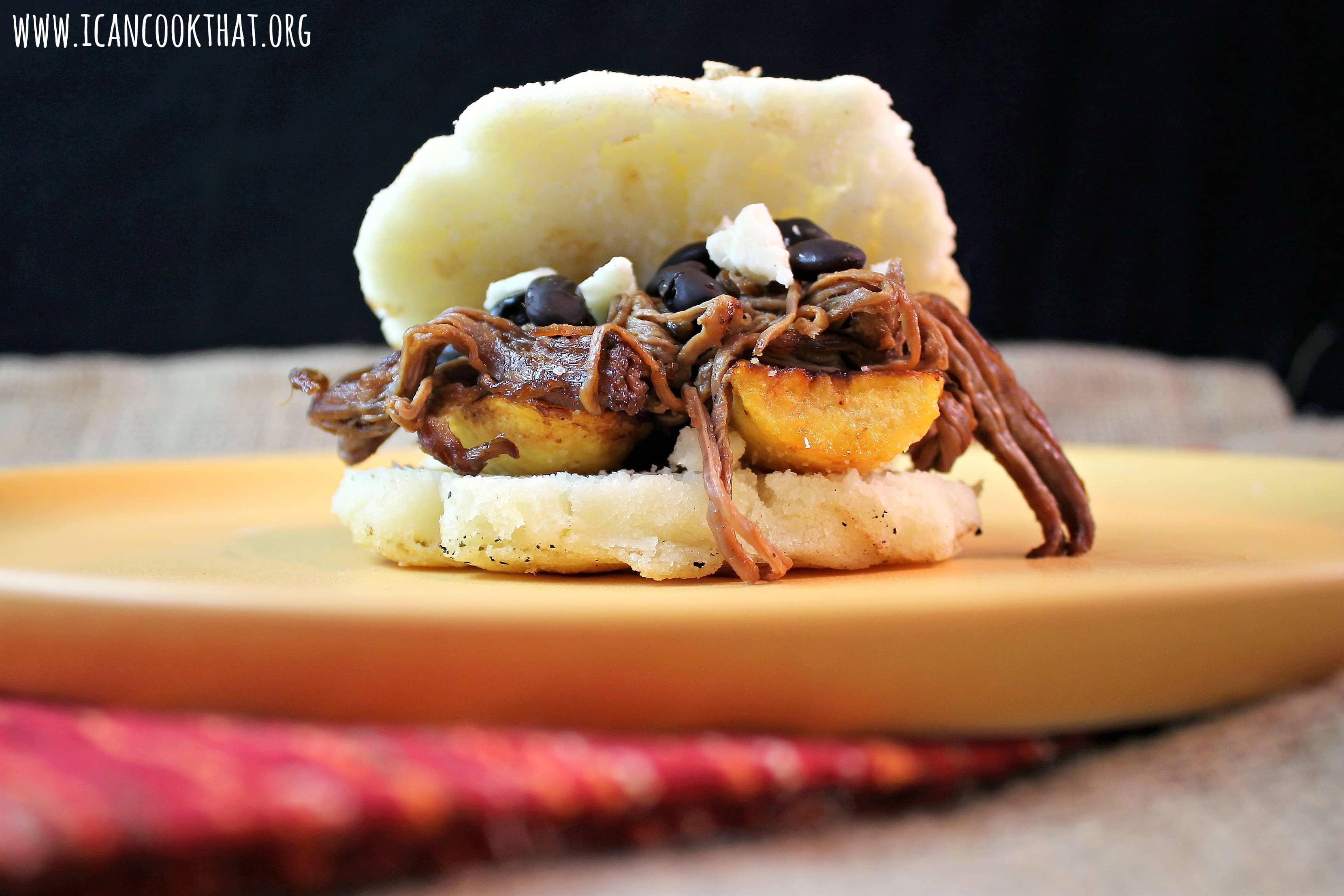
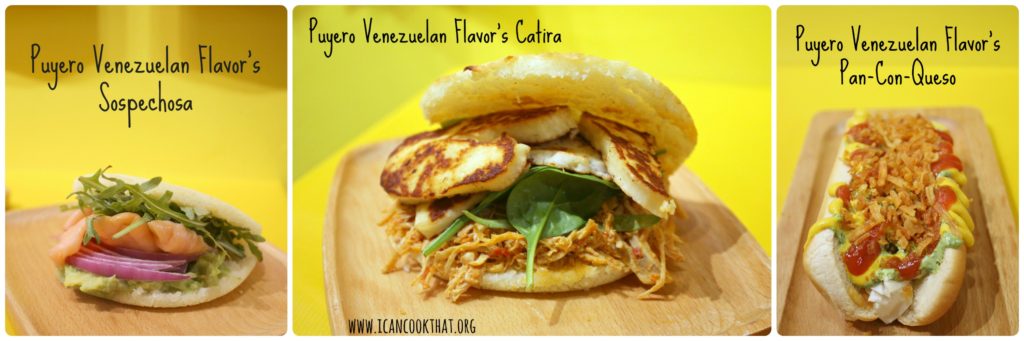
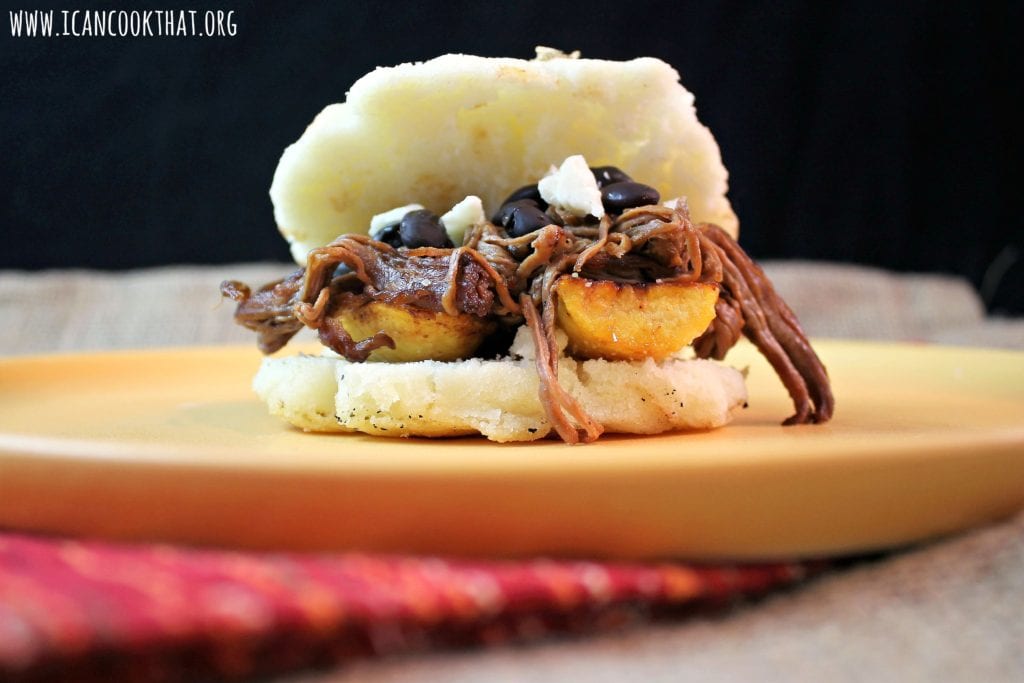
This recipe for Arepas Pabellón is inspired by a visit to an absolutely delicious Venezuelan restaurant. Last week, I checked out one of Philly’s newest restaurants: Puyero Venezuelan Flavor.
source: puyeroflavor.com
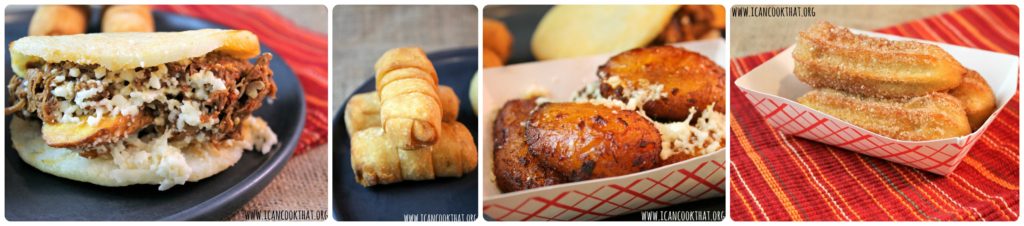
Located just off of South Street on S 4th, the restaurant serves Venezuelan street food including arepas, patacones and tequenos, plus yummy desserts like churros.
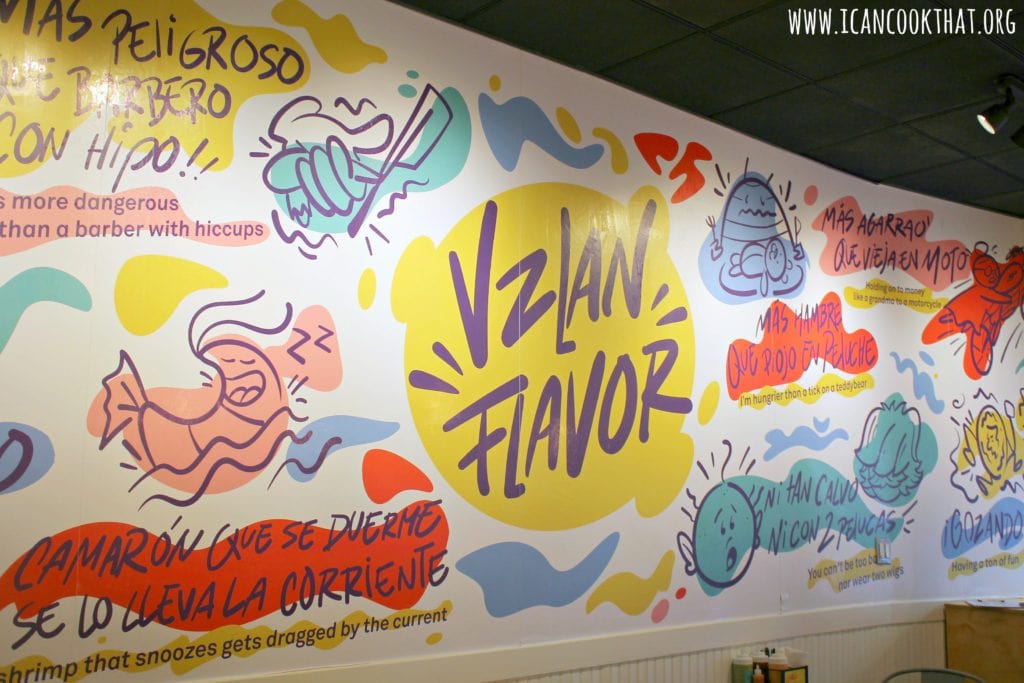
The 22-seat restaurant is vibrant and colorful, very welcoming. I enjoyed reading a selection of Venezuelan sayings that decorate one of the walls; my favorite: “Más hambre que piojo en peluche” or “I’m hungrier than a tick on a teddy bear.”
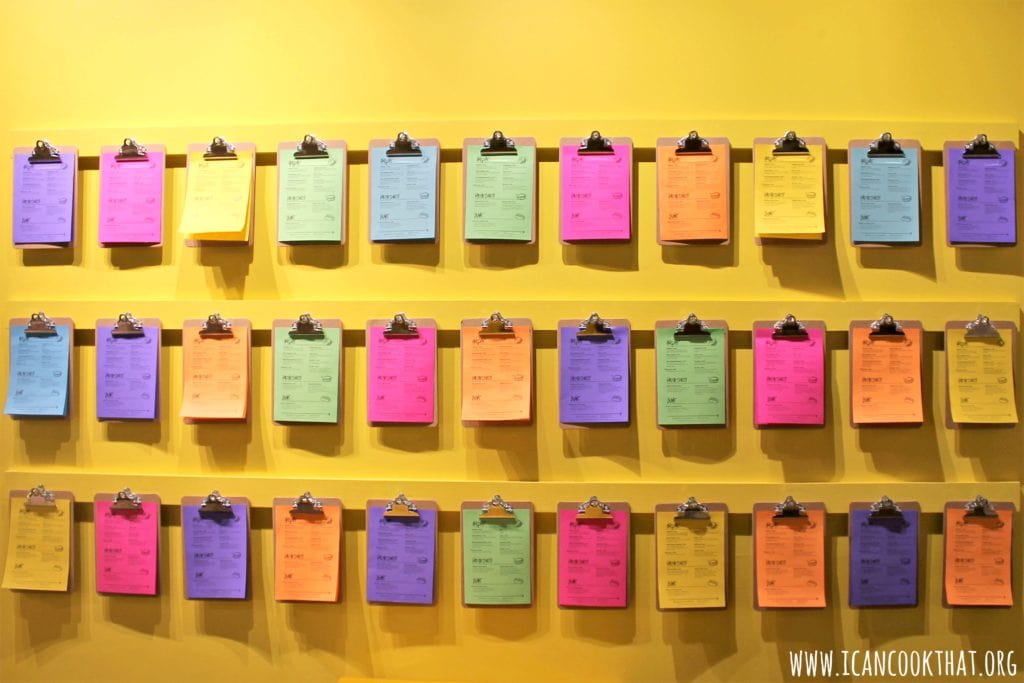
Owned by brothers Simon and Gil, and Gil’s wife Manuela, the restaurant has a very “homey” feel to it. The entire menu is available for lunch and dinner, with brunch options coming in the spring. You can also order delivery through Caviar (which I’ve totally already done. Hence the photos below, showing my delivery food).
While there, I tried quite a few menu items, but my favorites were the tequenos, white cheese wrapped in deep fried dough, and arepas pabellon, which is an arepa filled with shredded beef, black beans, fried sweet plantains, and white cheese.
I wanted to try to make Arepas Pabellón for myself at home. This recipe can be made ahead of time, reheated, and assembled when ready to eat.
Shredded Beef:
garlic cloves, minced
1 tablespoon dried oregano
2 tablespoons tomato paste
1 cup crushed tomatoes
4
1/4 tsp pepper
1 tablespoon hot sauce
Arepas:
1 1/2 cups masarepa (a type of cornmeal found in the international section of most supermarkets. white or yellow is fine)
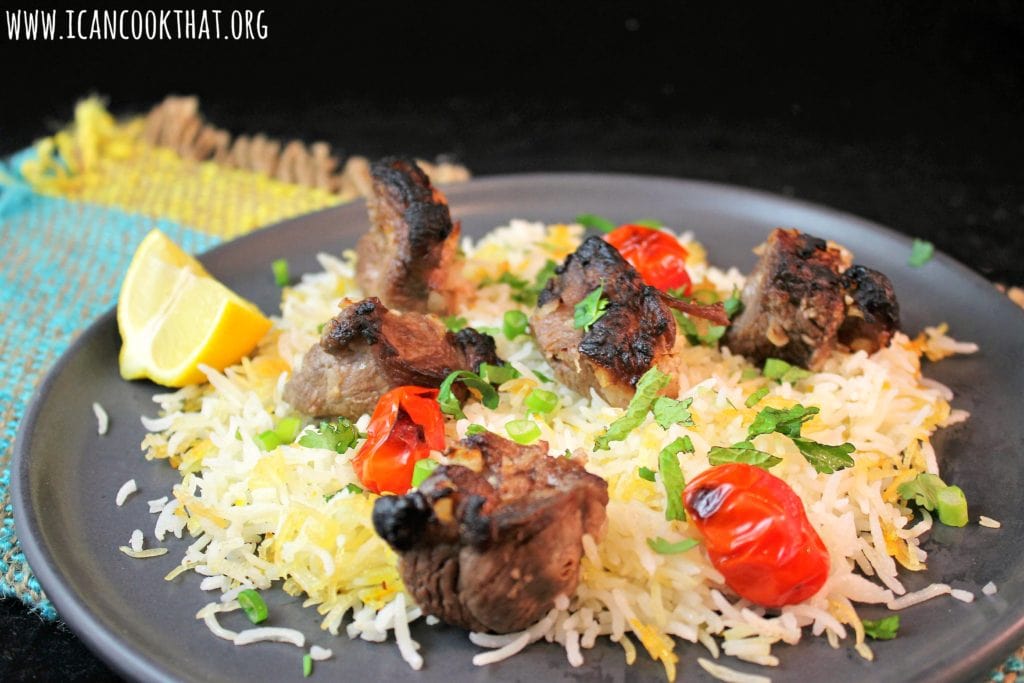
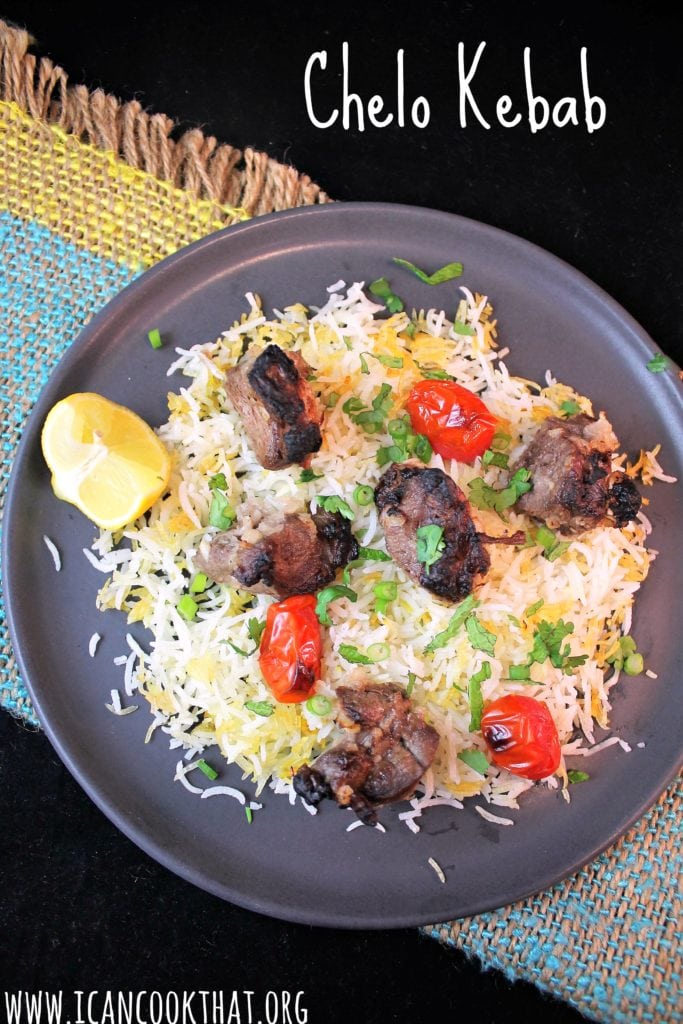
Chelo Kebab or Chelow Kebab is a Persian dish made with steamed saffron rice and kebabs. This version parboils the rice which then browns in a large pan, covered with a cloth, and steams with a little bit of butter to deliver a crispy, golden crust.
The lamb kebobs are marinated for hours to lock in flavor. The result is probably one of my favorite dishes I’ve made recently; it’s well worth the morning prep to have an amazing dinner!
Ingredients:
Kebab:
2 onions, very finely chopped (or pureed)
2 garlic cloves, minced (or pureed)
3 tablespoons fresh lemon juice
3 tablespoons olive oil
1/4 teaspoon salt
1/4 teaspoon freshly ground black pepper
1 1/2 pounds boneless leg of lamb, trimmed and cut into 1-inch cubes
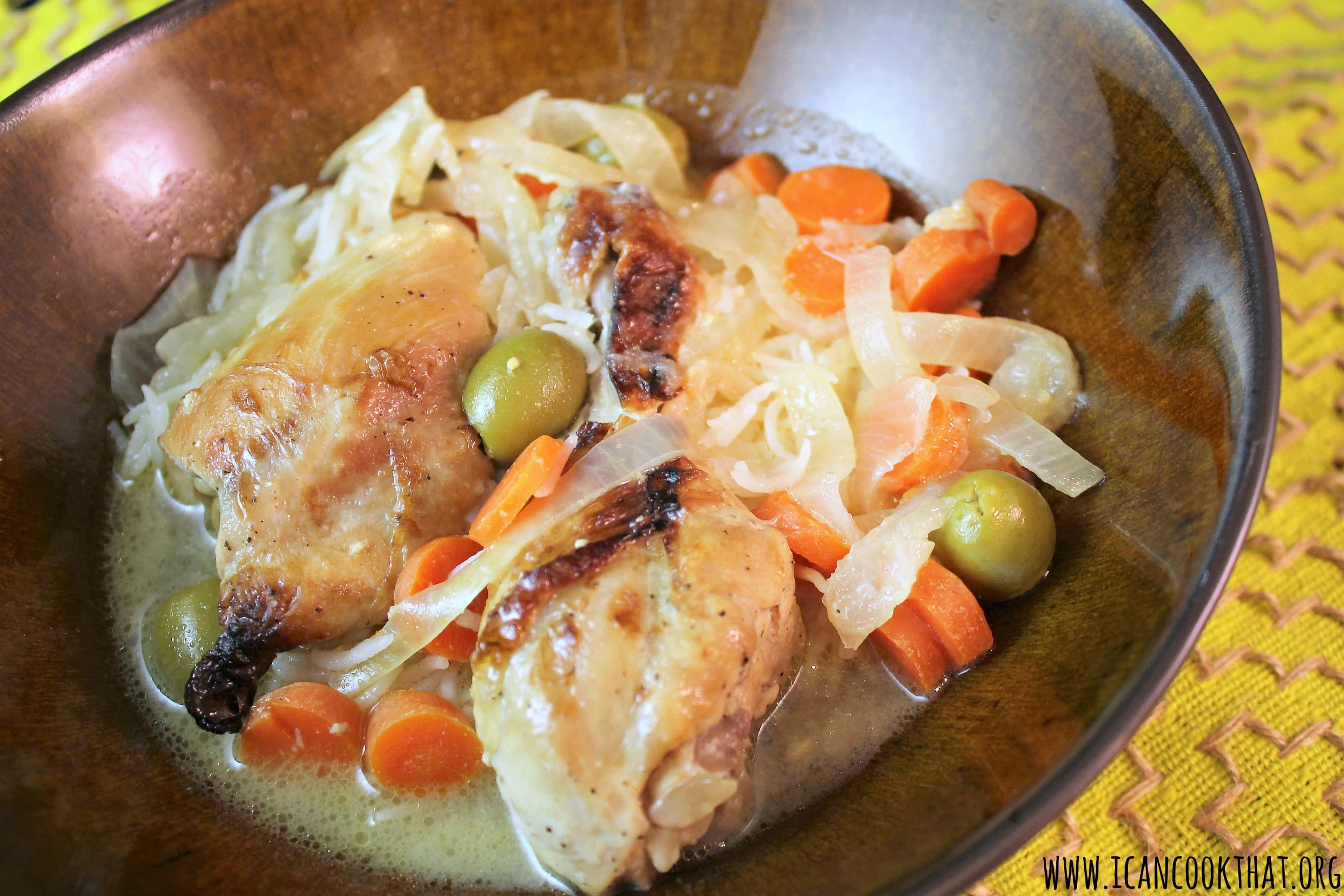
Chicken Yassa is a popular chicken dish originating from Senegal. This meal is the epitome of comfort food: marinated roasted chicken with onions, lemon juice, olives, garlic, and broth served over rice. It has a subtle heat to it as well that really makes for a flavorful meal.
This recipe makes quite a bit of food, a good 8 servings. However, in my house, leftovers this good don’t last very long!
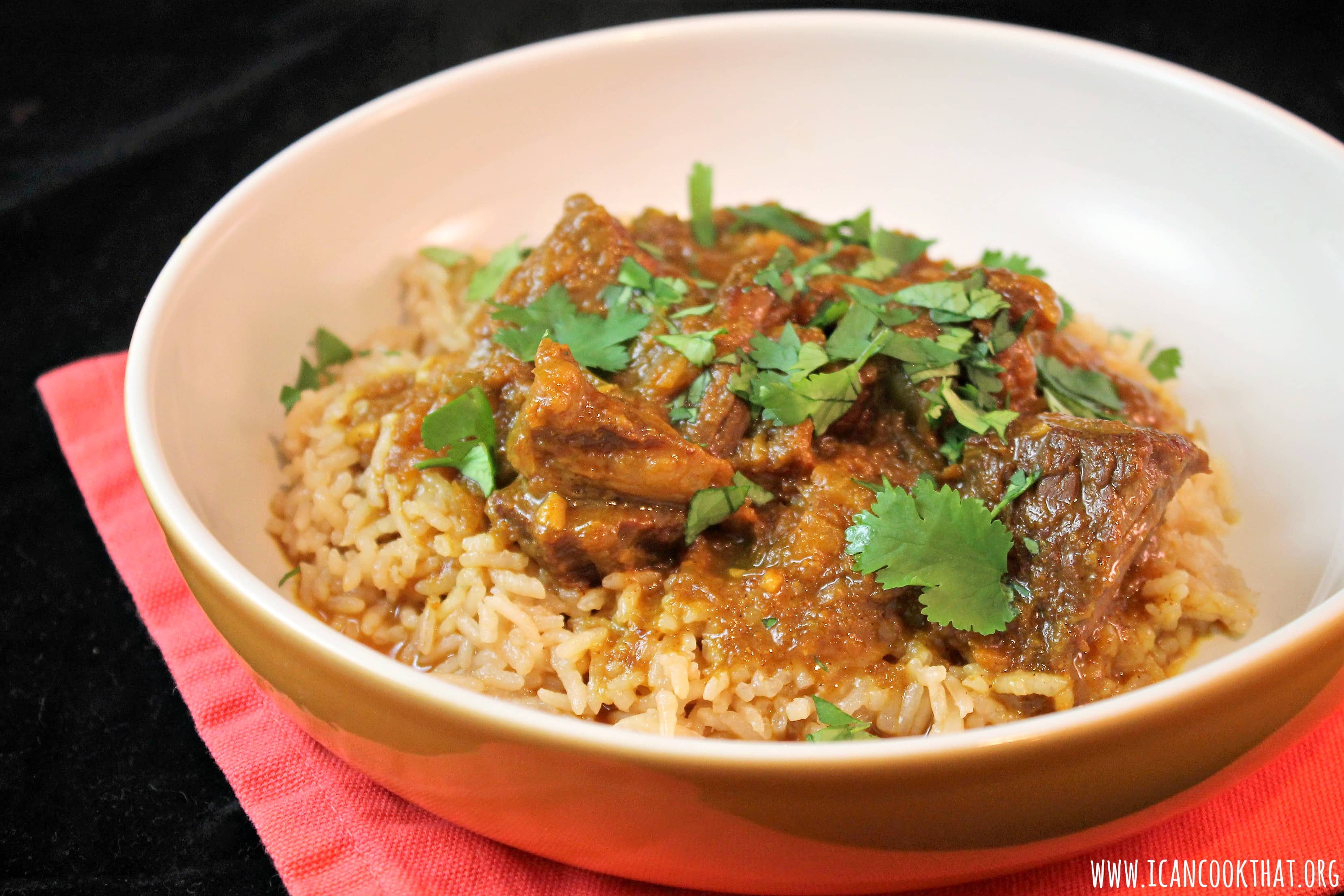
My husband and I (obviously) love trying new and different recipes. Living in Philadelphia, we are lucky enough to have a pretty solid restaurant scene, covering quite a range of cuisines. So my interest is always peaked by a recipe I haven’t tried before that comes from a different part of the world and I can make at home, like this recipe for Cape Malay Curry.
Cape Malay Curry comes from Cape Town, South Africa. Beginning in the 17th century, slaves from Indonesia and Southeast Asia were brought to work the farms of Cape Town, South Africa. Known as Cape Malays, the name “Cape” is derived from the Cape of Good Hope and “Malay” refers to the community’s Indonesian, Malaysian and Singaporean ancestry.
The Cape Malay community has had a lot of influence on South African foods, particularly with the introduction of certain spices, hot sauces, and curries. This chunky beef stew is a sweet and savory curry dish, which reminds me a bit of my husband’s favorite meal, Slow Cooker Chicken and Chickpea Tagine, so I had a feeling we’d like this recipe.
This is definitely a weekend meal; it simmers on the stove for 2 hours. However, it could easily be multiplied to make a large batch and frozen for future meals.
Ingredients:
1 1/2 teaspoons ground turmeric
1 1/2 teaspoons ground cumin
1 1/2 teaspoons ground coriander
1 1/2 teaspoons chili powder
3/4 teaspoon ground cinnamon
1/2 teaspoon salt
2 teaspoons canola oil
2 cups chopped onion
1 1/2 tablespoons minced peeled fresh ginger
2 bay leaves
1 garlic clove, minced
1 pound beef stew meat, cut into bite-sized pieces
2 1/4 cups less-sodium beef broth
1 cup chopped green bell pepper (about 1 medium)
1/3 cup chopped dried apricots
1/3 cup apricot spread
2 teaspoons red wine vinegar
1/4 cup low-fat buttermilk (or coconut milk to make dairy-free)
Note: I was sent some products from Bob’s Red Mill, including Orca Beans. All opinions are my own.
There are some ingredients that catch your eye, and you just know you have to use them in a recipe. Orca beans are definitely one of those ingredients. Luckily, Bob’s Red Mill sent me a bag of their orca beans, which are grown in Moses Lake, Washington exclusively for the company.
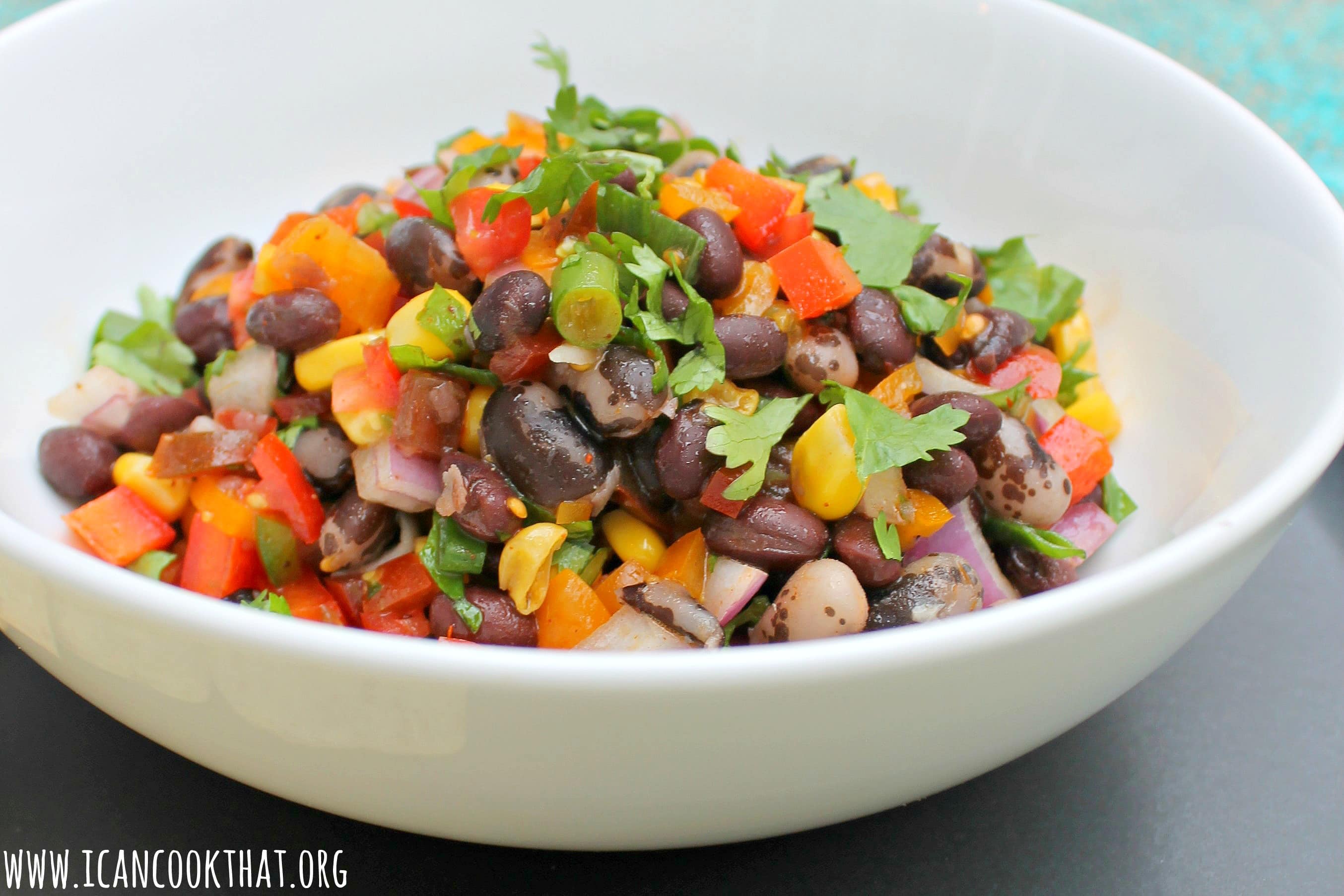
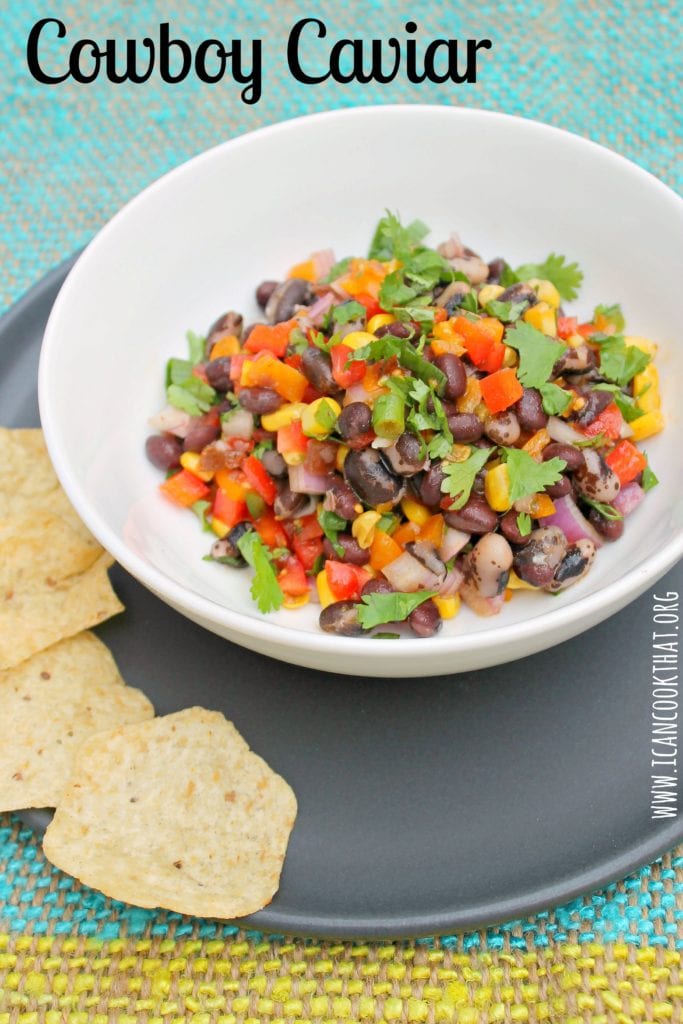
Orca beans, also known as calypso beans, are black and white splattered, and keep their cool coloring even after cooking. This heirloom bean is high in fiber and iron, and work great in any recipe where you would normally use beans.
But. They are so darn pretty I wanted to let them stand out by using them in a very colorful dish.
Cowboy Caviar seemed like the perfect way to show the orca beans off. Typically made with black eyed peas, cowboy caviar is a bean salad / salsa that is great as a party app, on top of grilled chicken, or just on it’s own!