I love Oreos. They are easily my favorite cookie since childhood, and I used to eat them almost every day as my after-school snack. So, it probably goes without saying that Cookies and Cream Ice Cream is one of my favorite ice creams.
I have no idea why it took me so long to make my own homemade cookies and cream ice cream, but after making this recipe, I don’t think I’ll ever be able to go back to the store-bought stuff!
This recipe for Homemade Cookies and Cream Ice Cream uses just 6 ingredients. Because there are no eggs in this recipe, there is no heating of the milk mixture so it comes together pretty quickly. Note that this recipe does still require you to refrigerate the mixture overnight and churn the ice cream the next day.
Ingredients (makes 1 quart):
3/4 cup sugar
1 cup whole milk
2 cups heavy cream
1 tablespoon vanilla extract
1/4 teaspoon salt
1 sleeve Oreos (regular, not Double Stuf), chopped
Note: I was sent some baking tools from OXO in order to write this post. Opinions are mine alone.
It’s the holiday season which means another cookie recipe inspired by some goodies from OXO! This year, I’m making something a little different for me: Christmas Pinwheel Cookies.
I tend to gravitate toward drop cookies because they are simple, decidedly not fussy, and still delicious! These Christmas Pinwheel Cookies are slice and bake cookies instead, which means you roll them into a log, slice them into equally sized slices, and bake.
Every year, OXO supports Cookies for Kids’ Cancer and the fight against pediatric cancer. Before I share my cookie recipe, I want to share a bit about Cookies for Kids’ Cancer.
Cookies for Kids’ Cancer (CFKC) is a nonprofit founded by two OXO employees after their son, Liam, was diagnosed with pediatric cancer. Through grassroots bake sales across the country, CFKC raises funds to develop new, improved and less toxic treatments for childhood cancer. Liam Witt’s legacy lives on as the organization works toward a cure for pediatric cancer, helping children and families everywhere.
For every cookie baked, OXO donates $1 to Cookies for Kids’ Cancer up to $100,000, so here is my new cookie this year to support the cause and spread the word!
Here are some of my old cookie swap and Cookies for Kids’ Cancer posts, in case you’re in a baking mood:
I personally did not grow up eating Potato Farls, probably because around me, there was no such thing as leftover mashed potatoes. (I am still a mashed potato fiend, but I’ve managed to turn it down to a more respectable level.)
But when I am visiting family in Ireland, Potato Farls is one of the foods I am most excited to eat (along with Irish Brown Bread and the rest of the components of a beautiful Ulster Fry.)
Potato Farls is just mashed potatoes kneaded with some flour, butter, salt, and pepper, then fried up into tasty little pieces, making them the perfect recipe for the day after Thanksgiving!
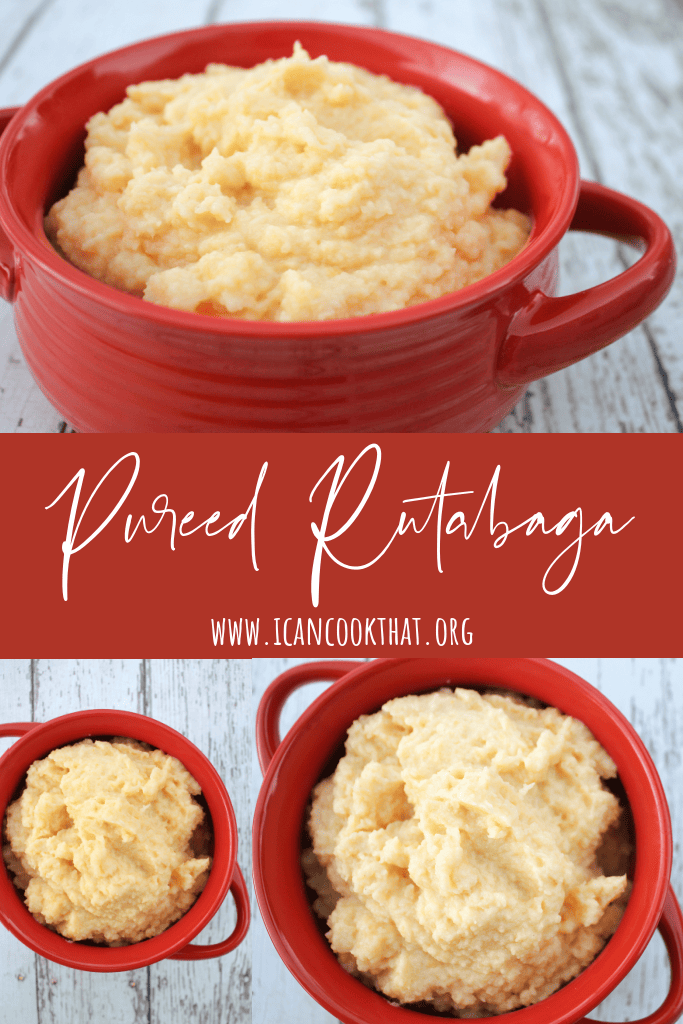
Pureed Rutabaga is a staple of basically every extended family gathering I have ever been to. But my family always refers to this dish as Turnips, which used to confuse me quite a bit because, well, there is also a vegetable called a turnip.
Apparently, rutabagas are also known as yellow turnips which is where this confusion comes from. Rutabagas are actually a hybrid of a turnip and a wild cabbage!
Anywho, I love pureed rutabaga / turnips. They are fluffy, creamy, with a little bit of spice.
This recipe is particularly perfect for large gatherings because you don’t have to use your stovetop or oven at all, saving space for other dishes.
I’m so excited to finally share this Halloween-inspired spooky recipe with you! Last year, I attended a Halloween party at a friend’s house, and they had quite the spread of Halloween-themed treats, as well as an awesome Bloody Prosecco Cocktail, which I’ve been thinking about ever since!
The recipe is super easy and only includes two ingredients! My friend’s version was made with pomegranate juice, so I took a bit of liberty with their original version and adjusted it to use a pomegranate liqueur instead.
What makes these so “bloody” and perfect for your next Halloween party is that you add the pomegranate liqueur to a syringe (paid link) for a creepy Halloween spin. If you don’t want to do so, feel free to just pour it into the prosecco; it will still taste delicious!
You can also substitute pomegranate juice or grenadine for the pomegranate liqueur if you’d prefer a slightly less boozy version. To make a kid-friendly version, you can also substitute in ginger ale or something similar for the Prosecco.
Ingredients (makes 5 servings, multiply as needed):
You didn’t think I’d let October pass without sharing multiple new pumpkin recipe, did you? Especially with all the ice cream recipes I’ve been making lately, it should come as no surprise that I wanted to share a Homemade Pumpkin Ice Cream recipe!
Pumpkin ice cream is my absolute favorite ice cream. More specifically, Woodside Farm Creamery‘s pumpkin ice cream — their version is so wonderfully rich and creamy!
So I knew it was about time I tried to make my own at home. This recipe uses egg yolks to achieve that uber creamy texture!
I love all things pumpkin, both savory and sweet. Despite already sharing over 30 pumpkin recipes, I have yet to share a recipe for Pumpkin Chocolate Chip Cookies!
I am happy to finally rectify that huge oversight, and I promise these cookies were worth waiting for!
Ingredients (makes about 30 cookies):
1/2 cup pumpkin puree
1 cup (2 sticks) unsalted butter, at room temperature
1 cup light brown sugar, packed
1 egg plus 1 egg yolk, at room temperature
1 tablespoon vanilla extract
2 cups flour
1 tablespoon pumpkin pie spice
1/2 teaspoon baking soda
1/2 teaspoon baking powder
1/2 teaspoon salt
1 cup chocolate chips (I used mini, regular size work too)
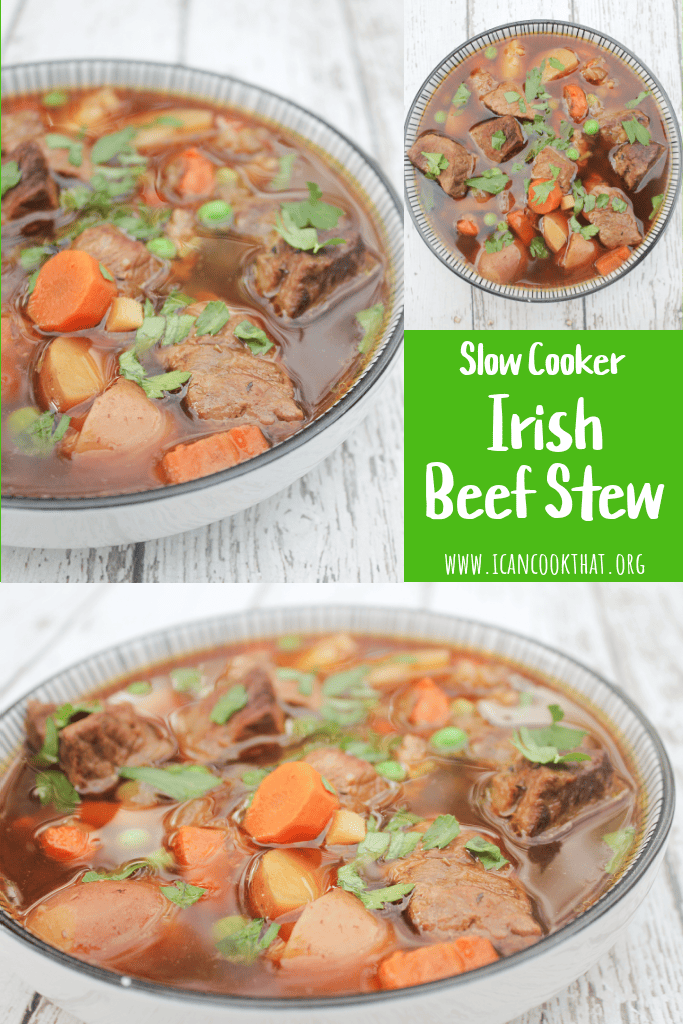
I will be honest. I am partial to Irish Stew made with lamb. But Irish Stew made with beef is tasty in its own right! This Slow Cooker Irish Beef Stew is a flavorful, comforting dish perfect for colder rainy days too!
This recipe is very similar to my OG Irish Stew I shared over a decade (!) ago, with a few adjustments. Recipes like this Irish Beef Stew are perfect to make in your slow cooker (paid link), which helps develop the flavors of the dish while perfectly cooking the meat and vegetables.
Ingredients:
2 tablespoons unsalted butter, divided
3 onions, chopped
3 leeks, white and light green parts only, sliced into half moons
1 tablespoon dried thyme
1 tablespoon garlic powder
salt and pepper, to taste
5 lbs stew beef
5 carrots, peeled and chopped
1 parsnip, peeled and chopped
5 cups beef stock, divided
1 (15 oz) can Guinness
1 tablespoon Worcestershire sauce
3 tablespoons pearl barley
2 lbs baby red potatoes, cut into bite sized pieces
My love for all things pumpkin is no secret. But it’s about time I gave apples their autumnal spotlight! These Apple Cider Whoopie Pies combine two of my favorite things – whoopie pies and apple cider donuts – to make an absolutely wonderful fall dessert.
If you’ve never had a whoopie pie before, they are just two cake-like cookies with a creamy frosting sandwiched in between. These Apple Cider Whoopie Pies have two spiced apple cider flavored cookies, coated in a cinnamon sugar, and then filled with a cinnamon cream cheese frosting.
Ingredients (makes 10 whoopie pies):
Cookies:
1 1/4 cups apple cider
1 1/2 cups flour
1 teaspoon baking powder
1/2 teaspoon salt
1/4 teaspoon baking soda
1 1/2 teaspoons ground cinnamon, divided
1/2 teaspoon ground nutmeg
1/2 teaspoon ground ginger
8 tablespoons (1 stick) unsalted butter, at room temperature, divided
Note: I was sent samples of Rovagnati Charcuterie Trio in order to make these Antipasto Skewers. Opinions are mine alone.
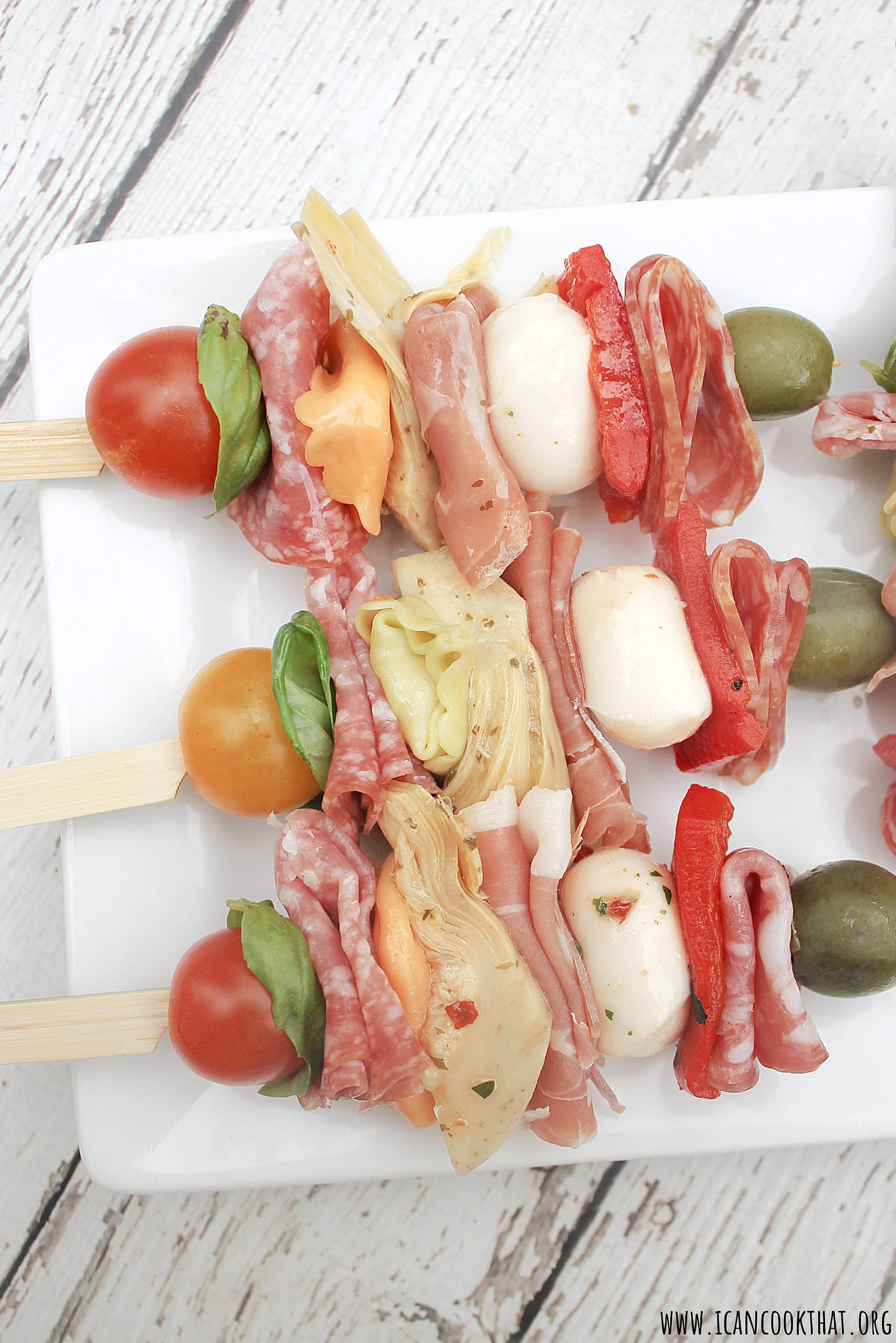
I love a handheld party appetizer. And I also love a charcuterie or cheese board. So it should come as no surprise that I think Antipasto Skewers are absolutely delightful.
Luckily, Rovagnati gave me the perfect excuse to share this recipe for Antipasto Skewers, featuring their Charcuterie Trio!
source: rovagnati.us
Rovagnati, the renowned charcuterie company committed to preserving Italian traditions, recently introduced their No-Nitrites-Ever Salami Line and their Antipasto Italiano Trio. Crafted at Rovagnati’s U.S. factory, the No-Nitrites-Ever Salami Line utilizes selected noble cuts of the finest meat, following a USDA-approved Italian curing and fermentation method. The long and slow curing ensures a high-quality product that maintains the authentic flavors synonymous with Rovagnati’s heritage.
source: rovagnati.ussource: rovagnati.us
Rovagnati sent me samples of two of their Trios: The Charcuterie Trio and The Salami Trio.
The Charcuterie Trio includes sliced Prosciutto Crudo, Salame Milano, and Salame Napoli
The Salami Trio includes Salame Milano, Hot Soppressata, and Salame Napoli
Both Trio’s are the perfect size for making Antipasto Skewers; one 6 oz container is enough for about 9 skewers. I used the Charcuterie Trio below, but you can easily substitute in the Salami Trio.
Note: I was sent samples of Vanilla Bean Powder, Vanilla Beans, and Vanilla Extract from The Sweet Bean in order to write this post for Homemade French Vanilla Ice Cream. All opinions are my own.
I am still madly in love with my ice cream maker (paid link) and the delicious homemade ice creams I can now make! Today, I am excited to share a classic: Homemade French Vanilla Ice Cream, featuring The Sweetest Bean‘s Pure Vanilla Bean Powder.
The Sweetest Bean, a woman-owned company based in Colorado, sources its organic, whole-bean vanilla from Uganda where they employ a team who hand cures all of their gourmet vanilla. The company has a purpose of building an economy on the other side of the world, and is committed to one-single-supplier, their workers, their children, their futures, with the hope of true sustainable economic growth. Ugandan vanilla beans are known for their strong vanilla flavor, so the flavor stands out more in recipes.
source: thesweetestbean.com
The Sweetest Bean’s Pure Vanilla Bean Powder is made from 100% pure, ground, Ugandan bourbon vanilla beans. The vanilla beans spend months curing our beans in the sun, and then are ground fresh, to produce a fine powder rich in flavor and aroma. Pure vanilla bean powder was touted recently by the Wall Street Journal as the next spice you need to own. The powder can be used in both savory and sweet recipes, including barbecue rubs, soups, stews, fish, pork, smoothies, and coffee — vanilla adds a touch of sweetness without additional sugar.
The Sweetest Bean sent me their 3 Product Gift Set and have generously offered an additional set to one lucky I Can Cook That reader! Details for the giveaway after the recipe.
So let’s get churning! This Homemade French Vanilla Ice Cream has just 6 ingredients. The egg yolks, which makes this ice cream “French Vanilla,” adds wonderful richness without competing with the vanilla flavor.
The weather has yet to turn cold (in fact, we just had a week-long heatwave!) but I’m already thinking about colder weather foods. One of my favorite comfort foods is traditional Irish Vegetable Soup.
Unlike a chunky vegetable soup commonly found in the US, Irish Vegetable Soup is a blended soup made of potatoes, leeks, carrots, and onions that feels creamy and comforting without any cream!
The absolute best way to enjoy an Irish Vegetable Soup is with some Irish Brown Bread, but because that’s somewhat difficult to come across in the US, I substituted in a loaf of Italian bread to sop up all that vegetable goodness.
Note: I was sent a bottle of Domaine Paul Jaboulet Aîné Côtes du Rhône Parallele 45 Rouge in order to write this post for Grilled Rosemary Lamb Tenderloin. Opinions are mine alone.
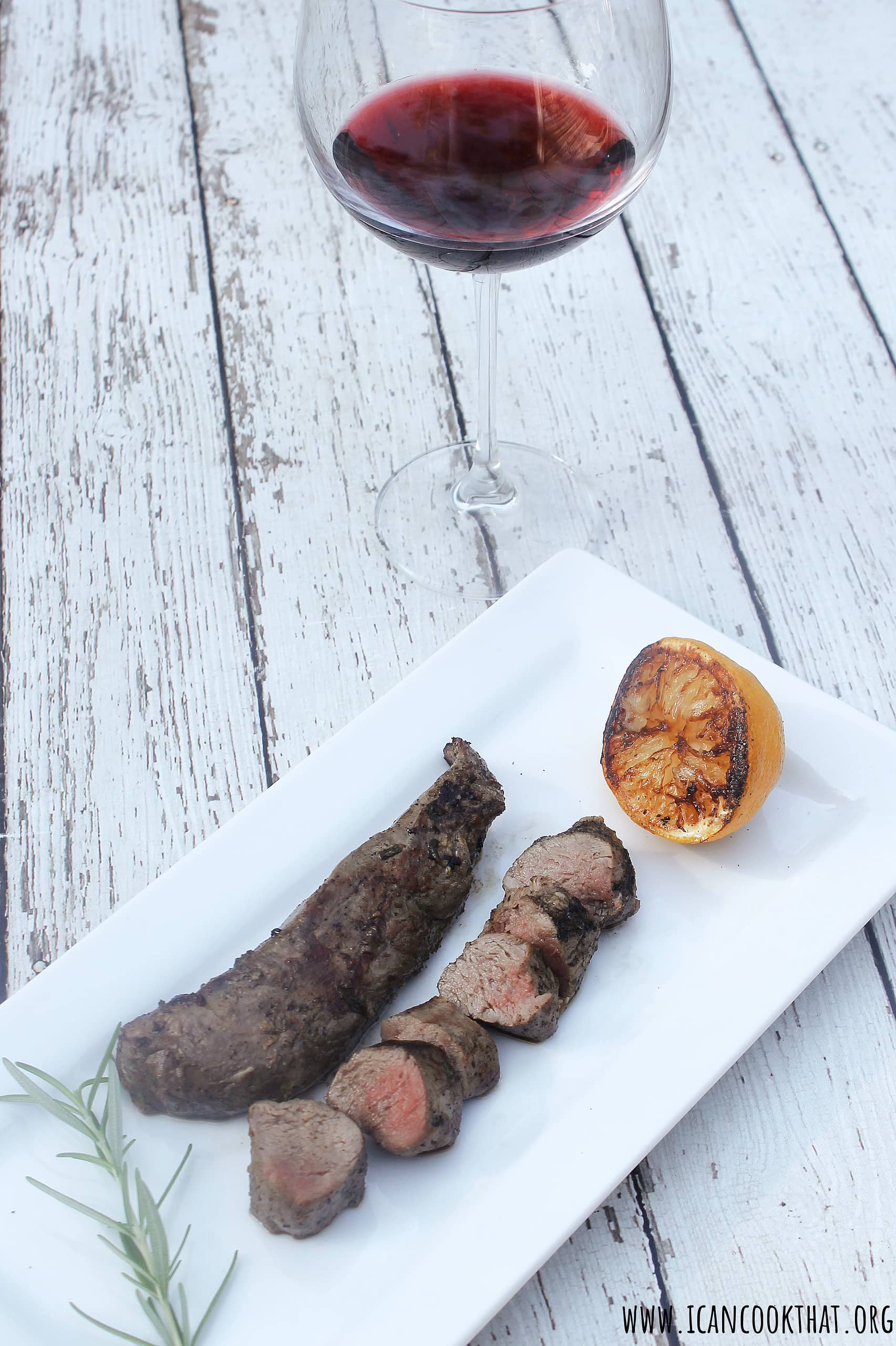
I love a good wine pairing with my recipes, and boy, do I have a great pairing for this Grilled Rosemary Lamb Tenderloin recipe! A perfectly paired wine can really enhance a dish! Côtes du Rhône wines are a perfect transitional wine as we move from summer into fall. They pair beautifully with barbecued or low and slow cooked meats. (And it is absolutely delightful with this Grilled Rosemary Lamb Tenderloin!)
But first, some info about Côtes du Rhône wines…
Côtes du Rhône is a wine-growing AOC for the Rhône wine region of France. There are different tiers: Côtes du Rhône, Côtes du Rhône Villages, and Côtes du Rhône Villages with Geographic Indication. Knowing a bit about each tier ensures you can choose the perfect bottle for every occasion!
First, a bit about some of the most popular of the 23 grape varieties that can be used to make Côtes du Rhône AOC wines: Grenache, Syrah and Mourvèdre.
Grenache is the most widely grown grape in the Rhône Valley Vineyards. It grows well across a variety of terroirs, and in blends, it embodies the warmth and generosity that Rhône wines are known for. It’s bursting with sweet cherry and raspberry fruit, cinnamon spice and classic Mediterranean garrigue.
Syrah is stylish and complex, but difficult to grow, requiring careful cultivation. More common in the Northern Rhône, Syrah has powerful dark fruit flavors, delicate violet aromas and characteristic pepper notes. In blends, it contributes a full-bodied yet balanced savory element that wines from this region are known for.
Widely cultivated on the sun-drenched slopes of the Southern Rhône, Mourvèdre has a robust structure and strong tannins, delivering notes of blackberry and plum, a meaty savory-ness and a slight floral character.
Within the region, there are three distinct tiers of quality:
Côtes du Rhône represents 171 villages, 180,800 acres of vineyards and 6,000 vine growers. Côtes du Rhône wines are known for their berry fruit flavors, well-structured and velvety tannins, and bright acidity. These wines are known for their distinctive freshness that makes these reds easy to be served chilled. They also pair beautifully with lighter fare such as vegetables and fish, the robust roasted meats of fall, and can help keep drinkers cool while enjoying the rusticity of barbecue.
Côtes du Rhône Villages AOC represents the unique character of specific villages within the valley and is the next step up in terms of sophistication and distinctiveness. Showcasing villages that have proven their wines have exceptional quality and character, there are 95 villages that may label their wines as Côtes du Rhône Villages. There is an enormous range of Côtes du Rhône Villages wines in terms of style, depending on the nature of the soil. Red wines make up 96% of the production from the Côtes du Rhône Villages AOC. Village’s AOC’s generous, more complex wines pair with richer, more elevated dishes, such as herb-crusted chicken, lamb, or spice-crusted pork tenderloin.
Côtes du Rhône Villages with Geographic Indication is reserved for the wines made in the 22 Villages that are identified for their specific terroir. Wines labeled as Côtes du Rhône Villages with Geographic Indication come from 22 communes. The communes have a standard of quality authorizing them to add their village name to the labels of their wines. Some of these communes include Plan de Dieu, Valréas, Visan and Chusclan. With stricter production standards and lower yields, Côtes du Rhône Villages with Geographical Indication wines are typically truer expressions of their terroir and can age for 5 to 10 years. These wines have deep layers of flavors that express their terroir and are perfect for holidays and special occasion meals.
For Labor Day weekend, I paired this Grilled Rosemary Lamb Tenderloin with a bottle of Domaine Paul Jaboulet Aîné Côtes du Rhône Parallele 45. Made with a blend of 60% Grenache and 40% Syrah, the wine has notes of wild berries, white pepper, and cherries. Those notes complement the woodsy flavor of the rosemary while enhancing the natural flavor of the lamb.
Note: I attended a tasting of Ripe Life Wines at Spring Lake Seafood and received additional bottles of Ripe Life Wine in order to make this Homemade Ceviche. Opinions are mine alone.
Before I go into the Homemade Ceviche recipe, I want to highlight a wine company that I recently tried and love. If you follow me on Instagram, you may have seen that I went to a wine tasting of Ripe Life Wines at Spring Lake Seafood in Spring Lake, NJ. I was given the opportunity to try a bunch of Ripe Life Wines’ selection paired with delicious food offerings of Spring Lake Seafood.
Ripe Life Wines grew from owner Mary McAuley’s desire to create the perfect wine for a clambake, and the Clambake Unoaked Chardonnay was born. The company now offers its Clambake Unoaked Chardonnay, a Clambake Rosé, a seafood-friendly red called Fisherman’s Red, and Moules Blanc de Blancs Brut, a dry American sparkling wine.
You can pop into Spring Lake Seafood in Spring Lake, NJ or Dock and Claw in Beach Haven, NJ to enjoy a tasting. To see my experience at Spring Lake Seafood, including the yummy food pairings, you can see that here and here.) The food and win pairings really are not to be missed!
For this post, I wanted to highlight Ripe Life Wines’ OG. The Clambake Unoaked Chardonnay. Chardonnay is commonly “oaked,” in which the wine is aged in oak barrels, resulting in flavors of butter, vanilla, or caramel. Unoaked Chardonnay, like the Clambake Chardonnay, is instead aged in stainless steel barrels, resulting in a lighter, crisp, clean finish that doesn’t compete with the delicate flavors of seafood. Clambake Chardonnay has a lovely lemon/apple/pear flavor to it, making it the perfect accompaniment to both raw seafood dishes, and richer seafood dishes such as lobster and clams with drawn butter.
As soon as I had my first sip of the Clambake Chardonnay, I knew I wanted to try to pair it with a homemade ceviche.
Ceviche, originating in South America, is a dish consisting of diced raw seafood that has marinated in acid (typically lime juice) to “cook” the seafood. The seafood is then mixed with onions, cilantro, and other ingredients to create a colorful and flavorful dish. Although homemade ceviche can sound a little intimidating, it’s actually really easy to make at home! My knife skills aren’t great, so if yours aren’t as well, the recipe will turn out just fine.
Note: I was given a box of produce from Penn Farm and used some of the produce in order to make this Cantaloupe Tomato Panzanella Salad recipe. Opinions are mine alone.
One of my favorite things about this blog is the opportunity to spotlight amazing restaurants, ingredients, and food organizations when I come across them. So when I heard about this CSA, I knew I had to share their amazing story ASAP, even if it is toward the end of the CSA season (note: bookmark this post so you have all the info you need to sign up for this CSA next year!) I also have an awesome recipe for Cantaloupe Tomato Panzanella Salad that shows off the bounty of Penn Farm’s CSA, so be sure to check that out at the end of the post!
William Penn High School is a public high school in New Castle, Delaware, where students enrolled in the school’s Agriculture classes help maintain a farm nearby the school. Historic Penn Farm has been a tenant farm since its inception in the late 1700s, and the 100-acre farm is the last surviving farm of the original tenant farms. William Penn High School, through a partnership with the Trustees of the New York Commons, continues the legacy of Historic Penn Farm while educating students on agriculture and also supporting the local community.
William Penn High School’s “Farm-to-School” program gives students the opportunity to learn how to grow produce from seeds, maintain the farm throughout the growing season, and help to harvest everything at the end of the season.
Some of the produce is utilized in other programs within William Penn High School; agriculture students work directly with the school’s culinary students, nutrition services, and science students. Local produce from Penn Farm becomes delicious meals enjoyed by the rest of the student body. In addition to vegetables, other animal products such as eggs are also produced and used in school nutritional programs throughout the district.
All produce on Penn Farm is grown from non-GMO seeds and is grown following organic practices. The farm harvests A LOT of produce, so Penn Farm also offers a CSA (Community Supported Agriculture) each year. The 10-week CSA at Penn Farm lasts from late June through August, where those who buy a share receive a fresh produce box each week. Each box is chock full of vegetables, enough to feed a family of four for a week! Sign-ups each season open in the spring. I received the following in my box this week (note: the cantaloupe had to go it its own photo because it was bigger than my head!):
The CSA offering is a great way for Penn Farm, William Penn High School, and Colonial School District to provide a valuable service to the local community. In return, purchasing a CSA share serves as a method of monetary support for Penn Farm and the Agriculture Programs at William Penn High School.
To show off some of this beautiful produce, I knew I had to go for a summer classic: Panzanella Salad! This Cantaloupe Tomato Panzanella Salad highlights the cantaloupe, tomatoes, and cucumbers from my Pann Farm CSA Share, plus helped me use up some leftover Italian bread I had!
Ingredients:
Salad:
6 slices Italian bread, cut into bite sized pieces