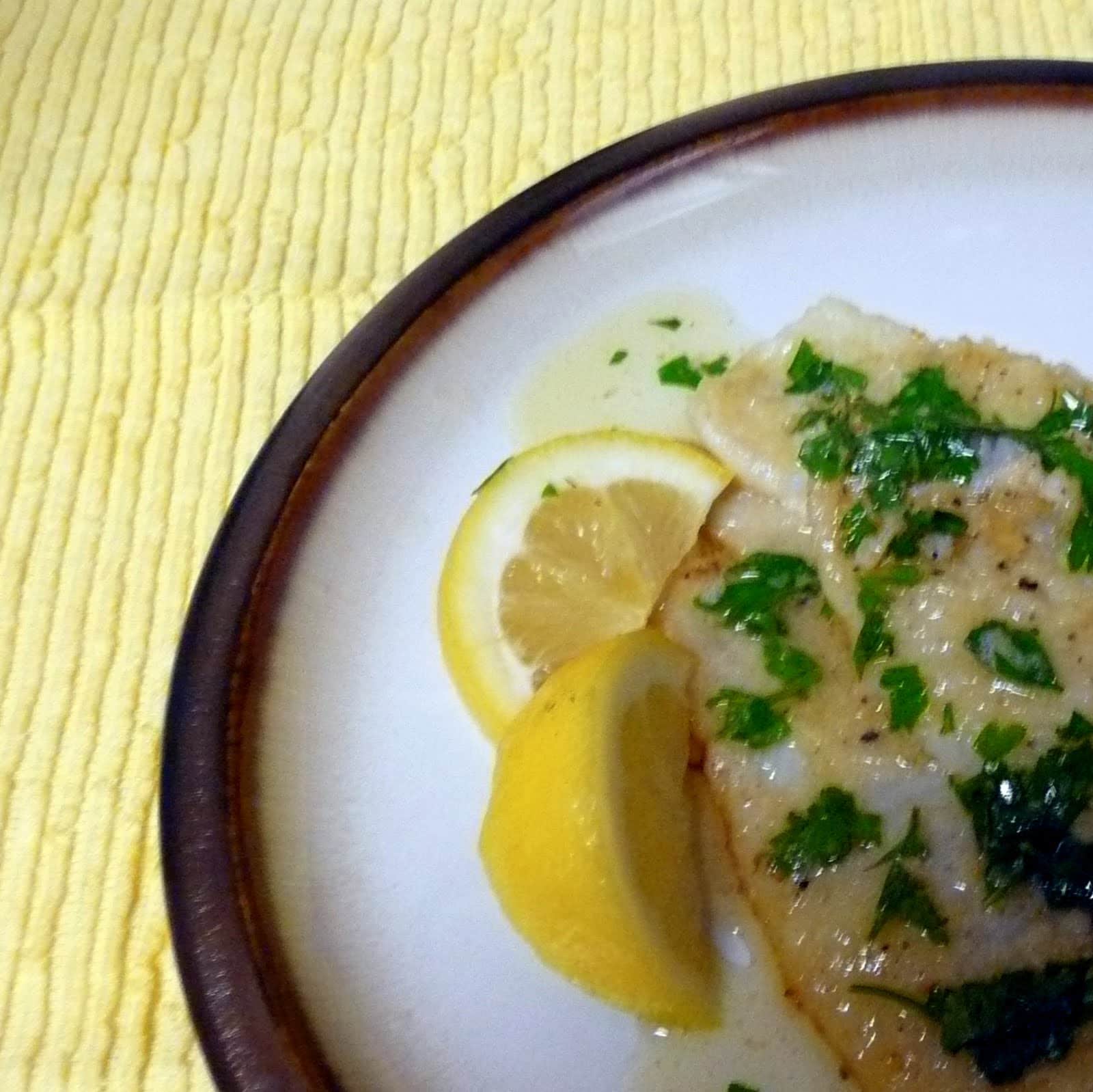
Flounder Meunière

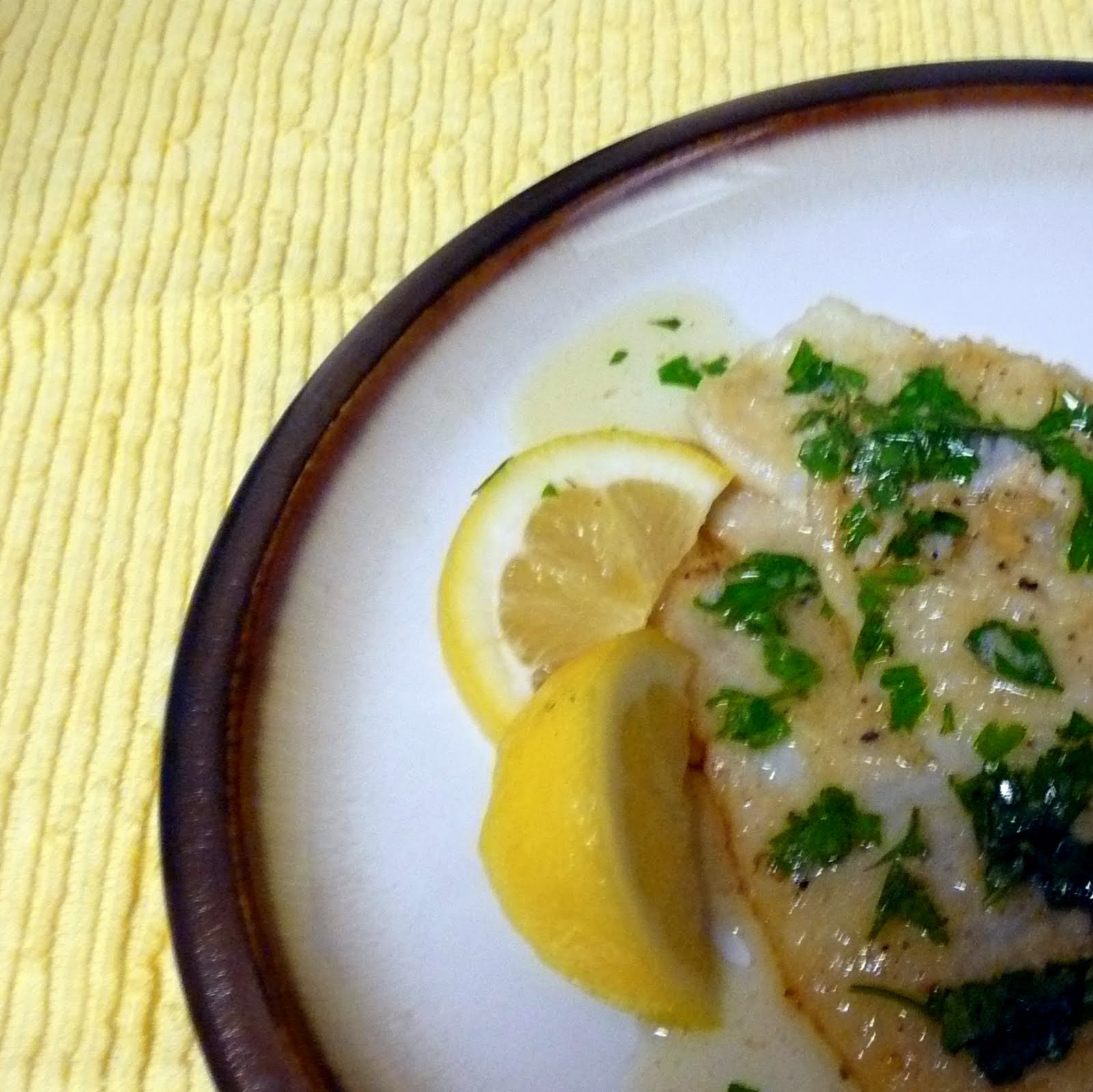
I was hoping to make Sole Meunière, but the supermarket decided otherwise. (Not only did they not have sole, they had no idea what it was). I substituted flounder, but if you can find sole, go for that instead. I found this classic recipe from Bon Appetit and I’m pretty sure I’ve made this recipe on many occasions and had no idea it had such a spiffy name. “Meunière” just means “miller’s wife.” So to cook something “a la meunière” means to cook it after first dredging it in flour. The sauce is really easy (and again, I’m pretty sure I’ve made it a million times before) and is made of brown butter, chopped parsley and lemon. Despite how easy the recipe is, this makes one tasty dish.

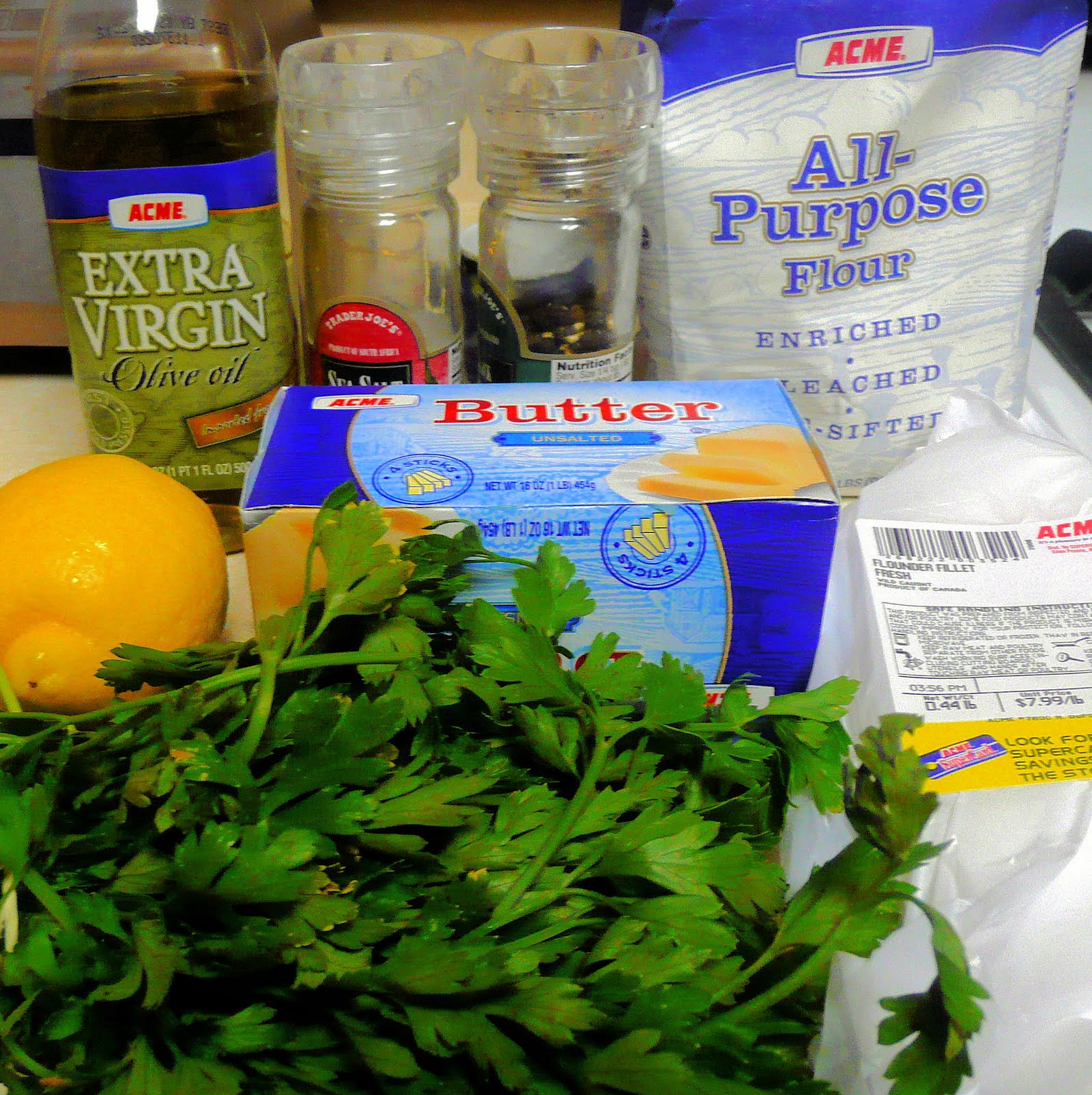
Ingredients for fish:
1/4 cup all purpose flour
3 flounder fillets (get Pacific sole if you can)
Salt
Pepper
2 tablespoons olive oil
2 tablespoons (1/4 stick) unsalted butter

Ingredients for sauce:

1/4 cup (1/2 stick) unsalted butter, cut into 4 pieces
2 tablespoons chopped fresh Italian (flat leaf) parsley
1 tablespoon fresh lemon juice
Lemon wedges
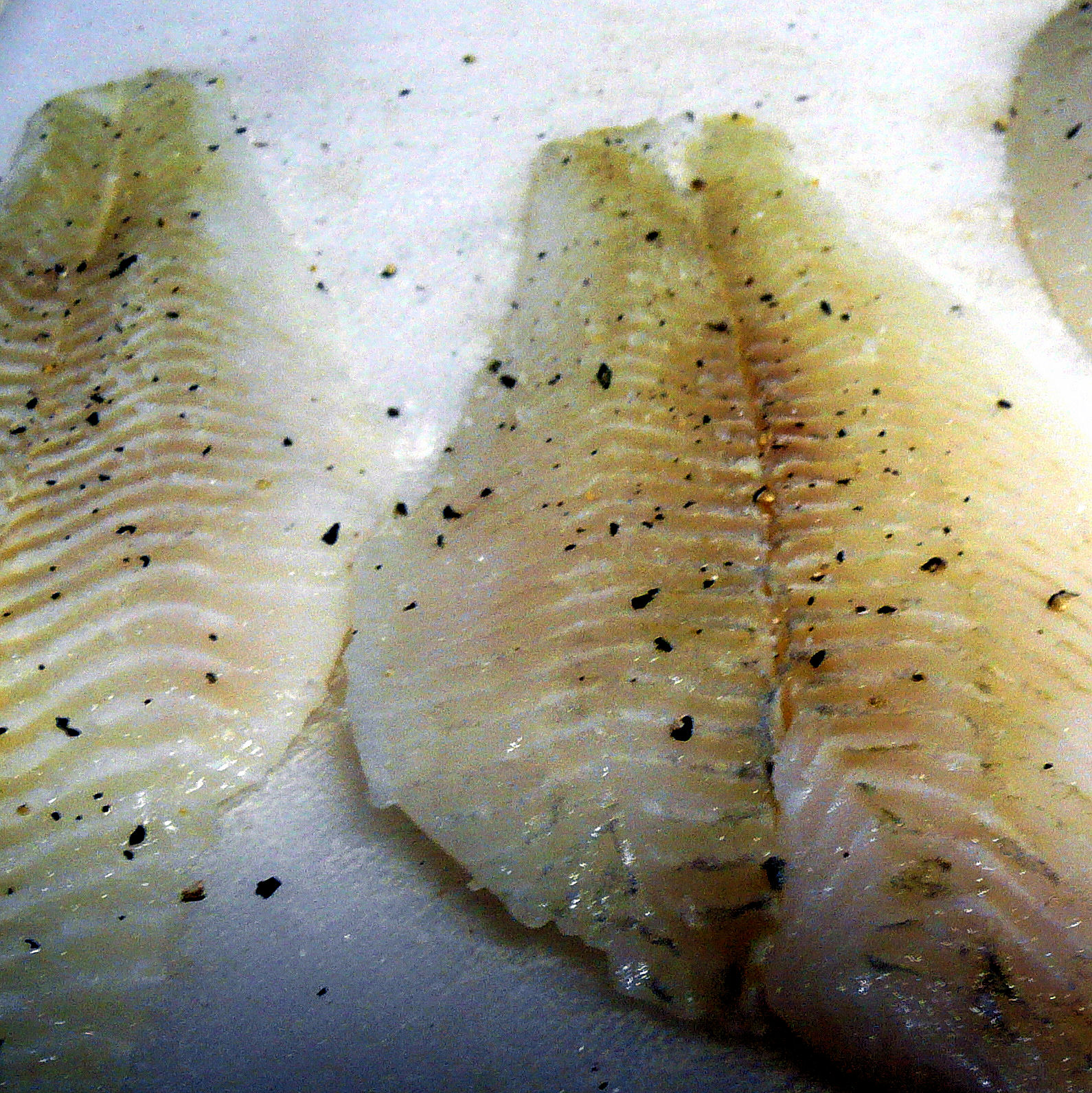
Pour flour into a shallow bowl. Rinse fish and pat dry with paper towels. Sprinkle fish with salt and pepper to taste.
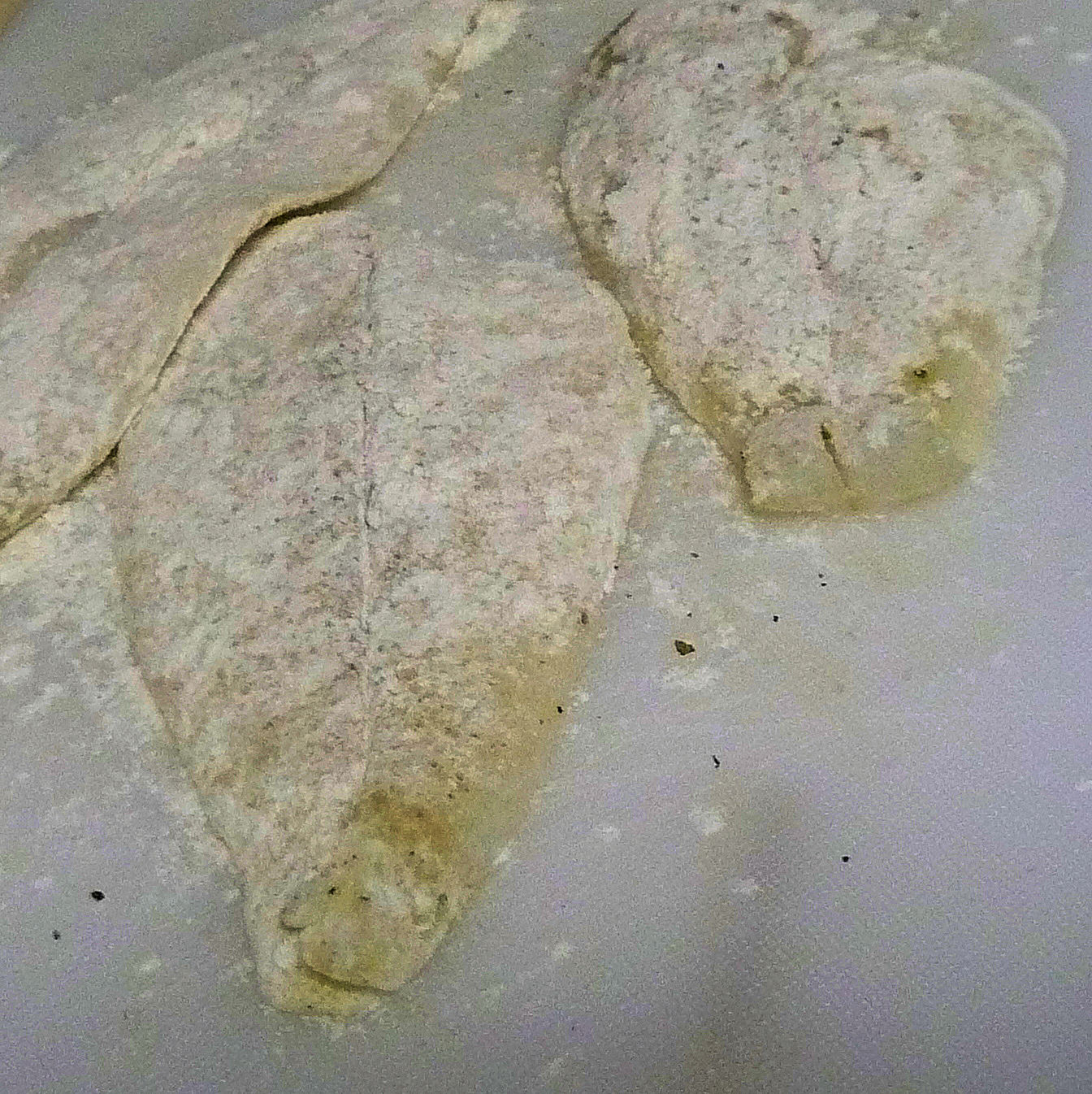
Dredge fish on both sides with flour shaking off excess flour.
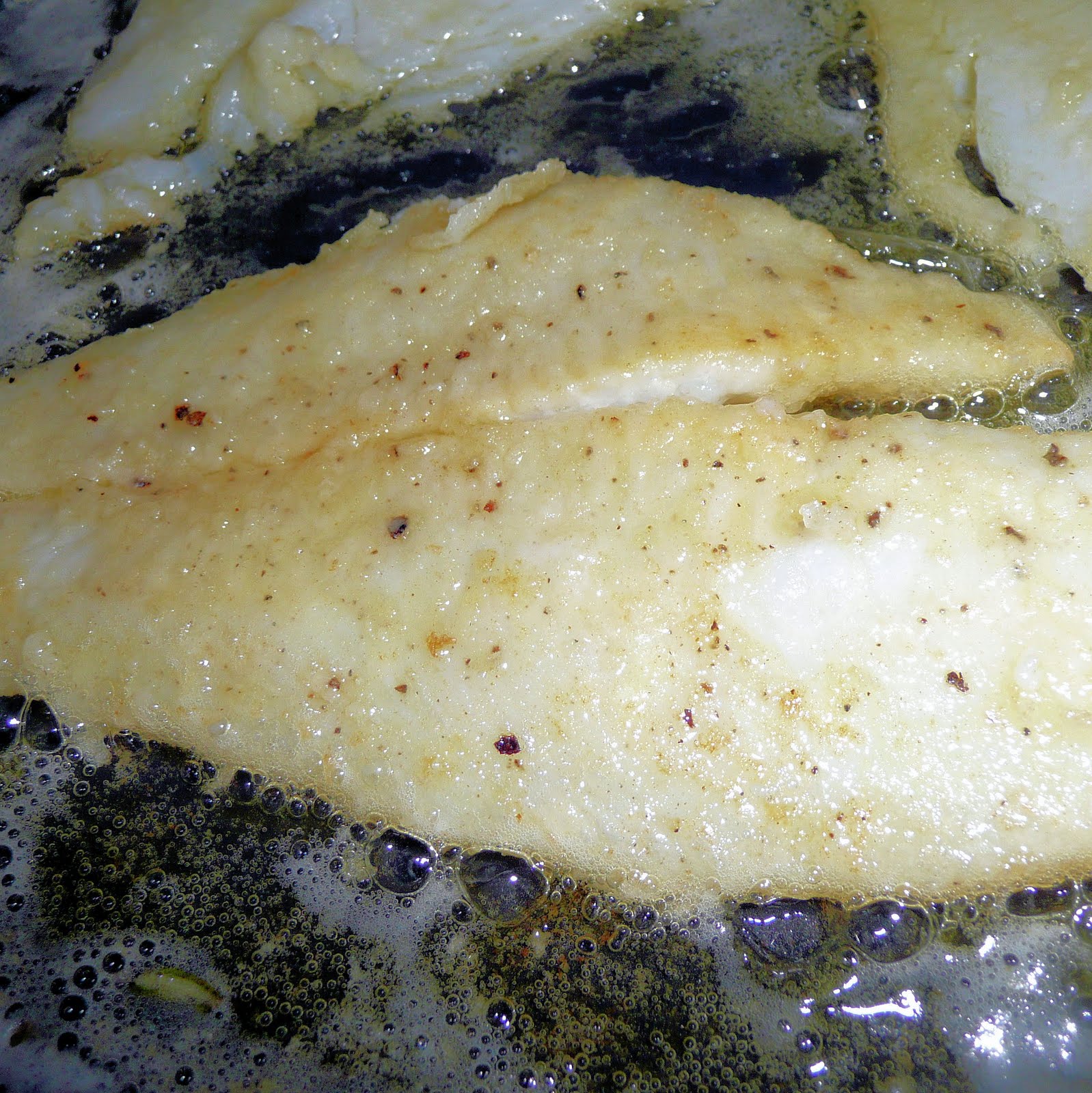
Heat olive oil in a saute pan big enough to fit all the fish. Add butter and swirl to coat. It should bubble up a bit. When it stops bubbling, add fish and cook until golden on bottom, about 2 to 3 minutes.
Turn fish over (carefully, it’s a pretty delicate fish), and cook until golden on bottom, about 1 to 2 minutes.
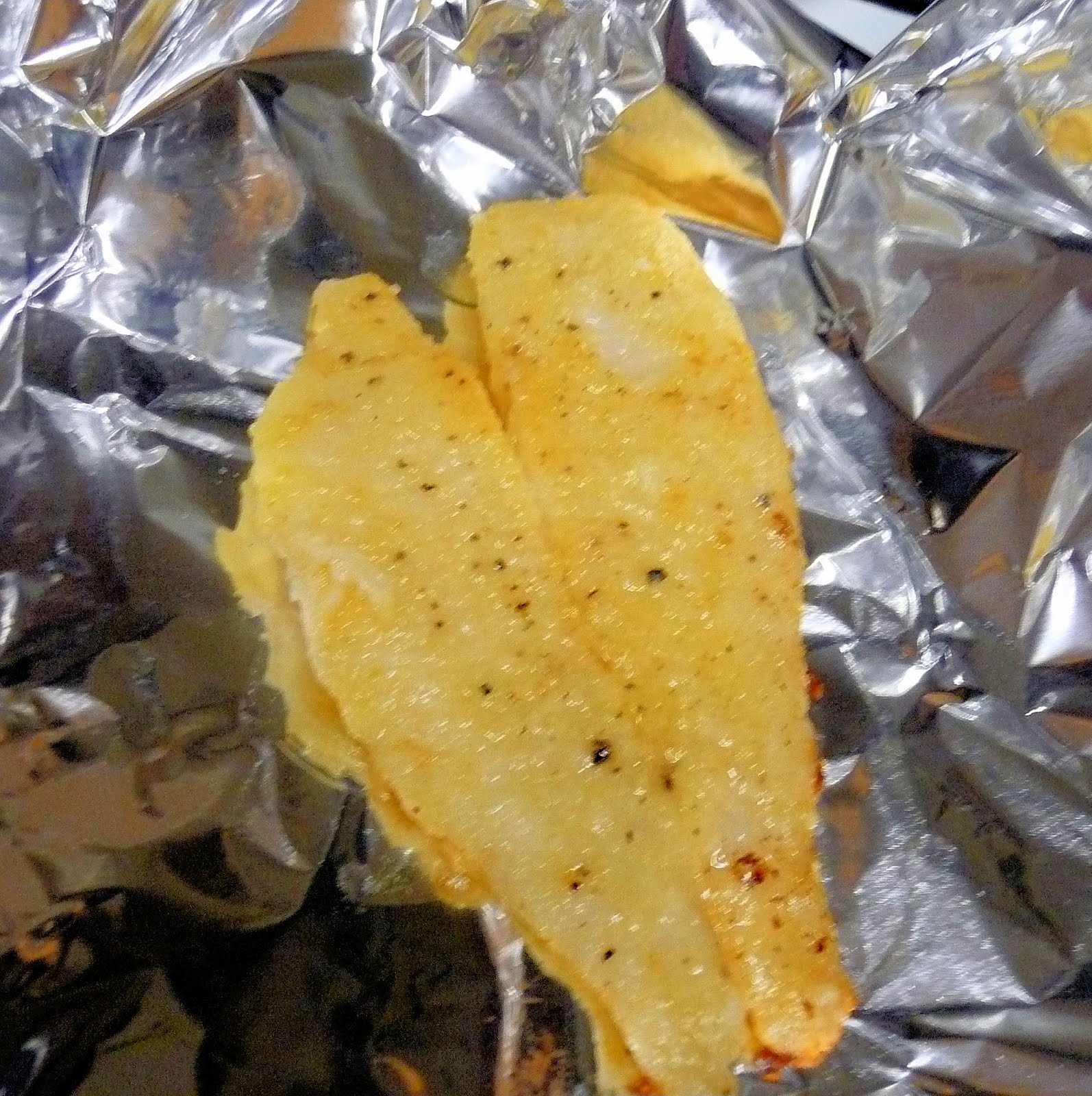
Place fish in tin foil and wrap loosely to keep warm.
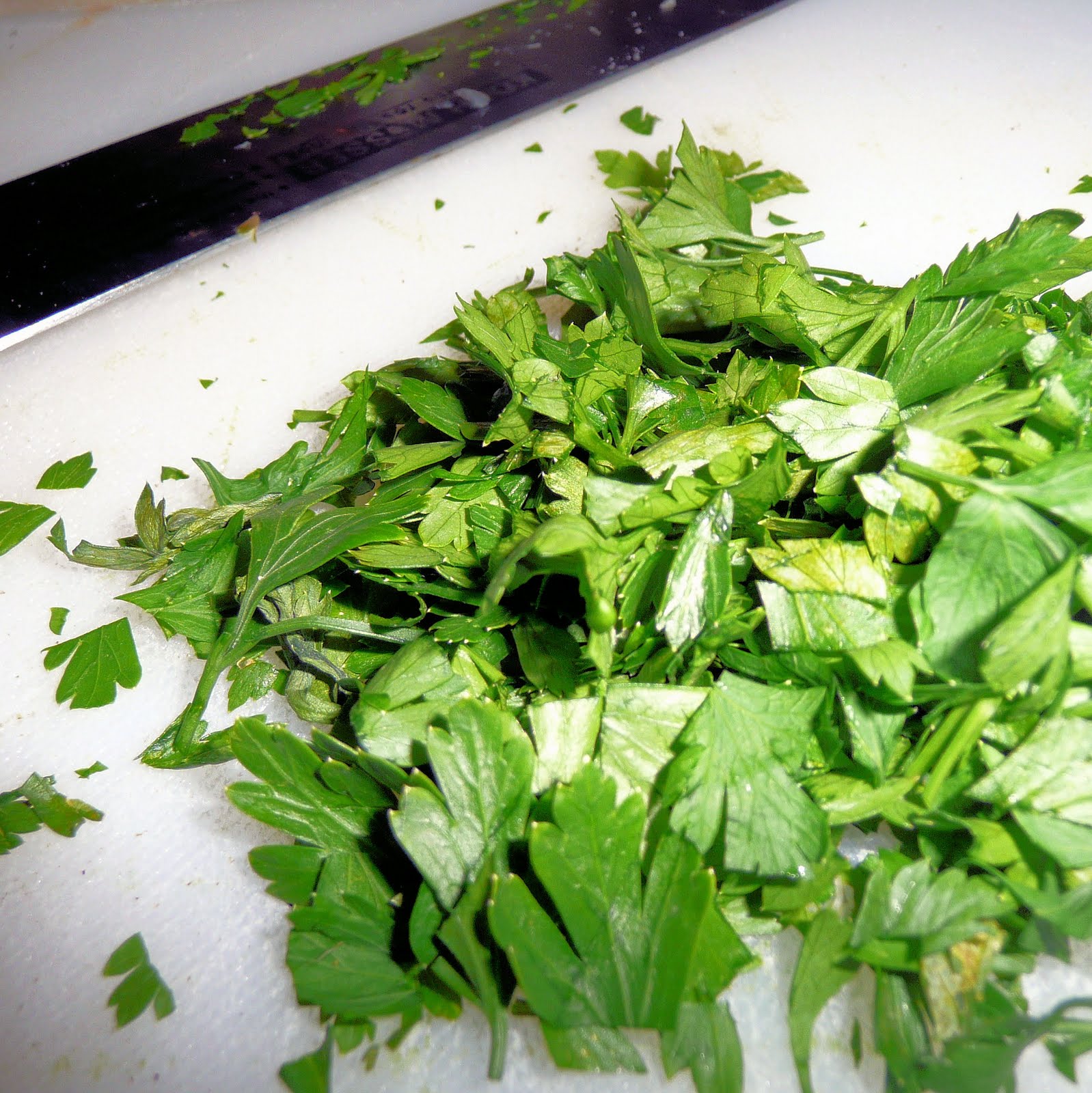
Pour out excess drippings from the saute pan and wipe down with paper towels. Chop the parsley (as finely as you like).
I did a pretty rough chop
Heat the saute pan over medium-high heat. Add the butter for the sauce and cook until it begins to brown, 1 to 2 minutes. Remove from heat and stir in parsley and lemon juice. It may splatter a bit, so be prepared for that. Spoon over the fish and serve with lemon wedges.
Who doesn’t enjoy a recipe that takes 10 to 15 minutes, and only requires 8 ingredients (including salt, pepper, and olive oil)? On top of that, it really is tasty. The fish crisps up nicely in the butter which adds a nice texture. This would be good with a light salad or a side of rice.

Cucumber Salad with Radish and Dill

I Signed up for a CSA vegetable half share through the Lancaster Farm Fresh Cooperative. Once a week, I pick up a box of local, organic and (obviously) in-season vegetables. This week my bundle included pink radishes. I have never tried to make anything with radishes so I was excited to see what kind of recipes were out there for this ingredient. I decided to try a salad recipe from Martha Stewart.

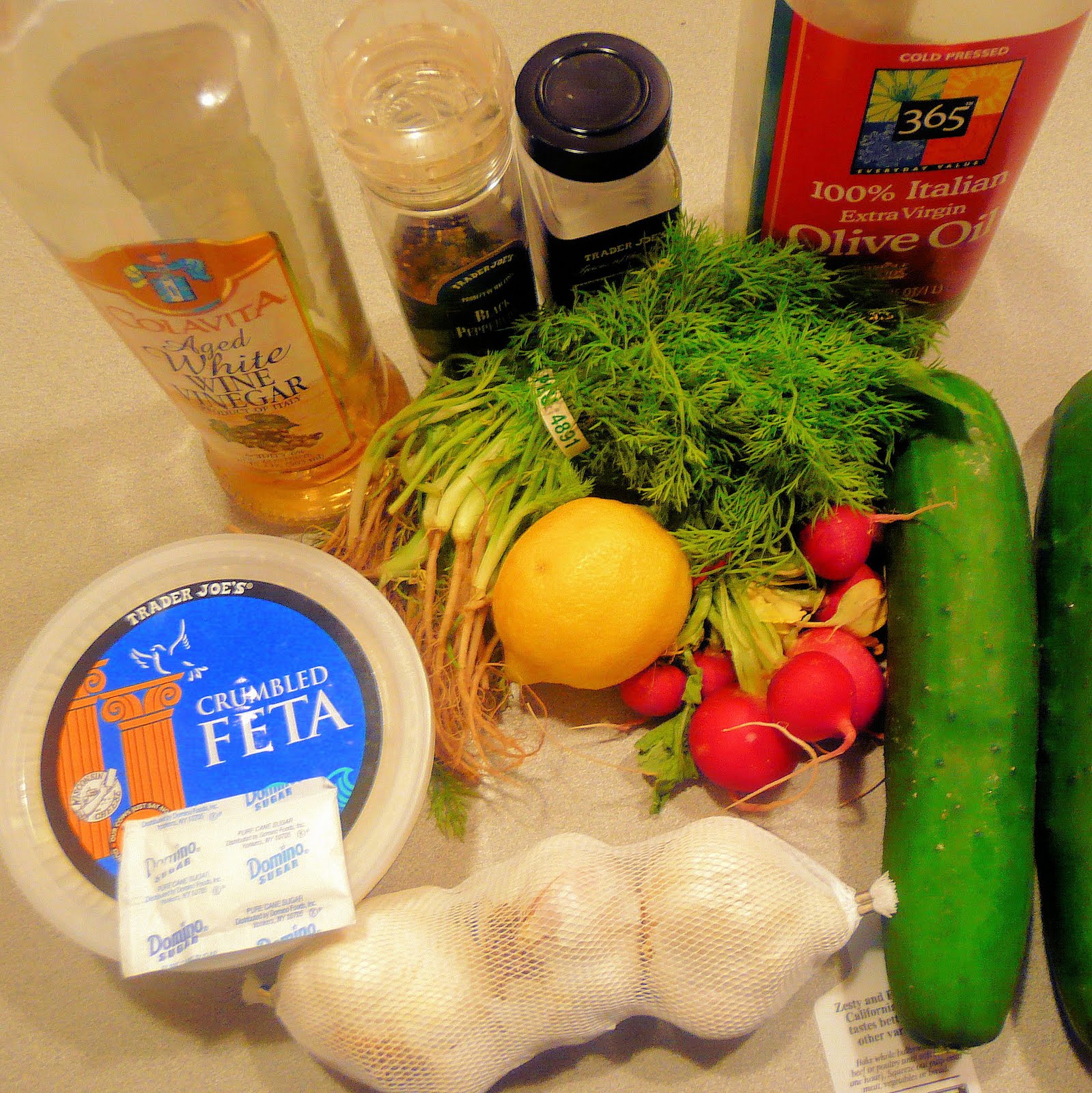
Ingredients:
1 English cucumber (or 3 Kirby cucumbers) halved lengthwise, seeded, thinly sliced
4 radishes, thinly sliced
Zest and juice of 1 lemon
A handful of feta cheese, crumbled
2 tablespoons white-wine vinegar
1 tablespoon finely chopped fresh dill
1/2 teaspoon sugar
1 garlic clove, crushed with the flat side of a cutting knife
Salt and pepper, to taste
1/4 cup olive oil

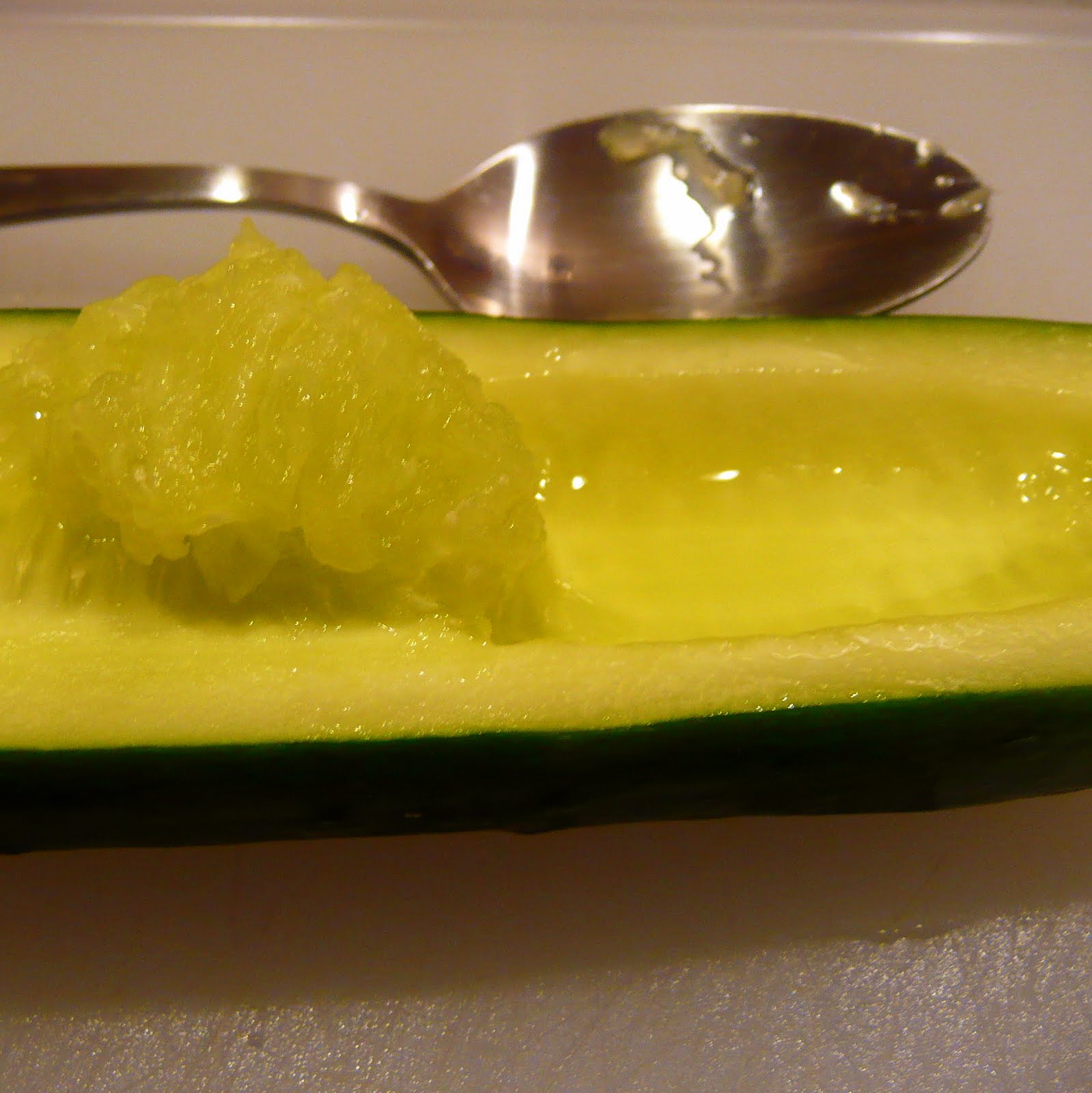
Begin by prepping your vegetables. Cut the cucumber in half lengthwise, and use a spoon to remove all seeds.

Once seeded, thinly slice the cucumber.

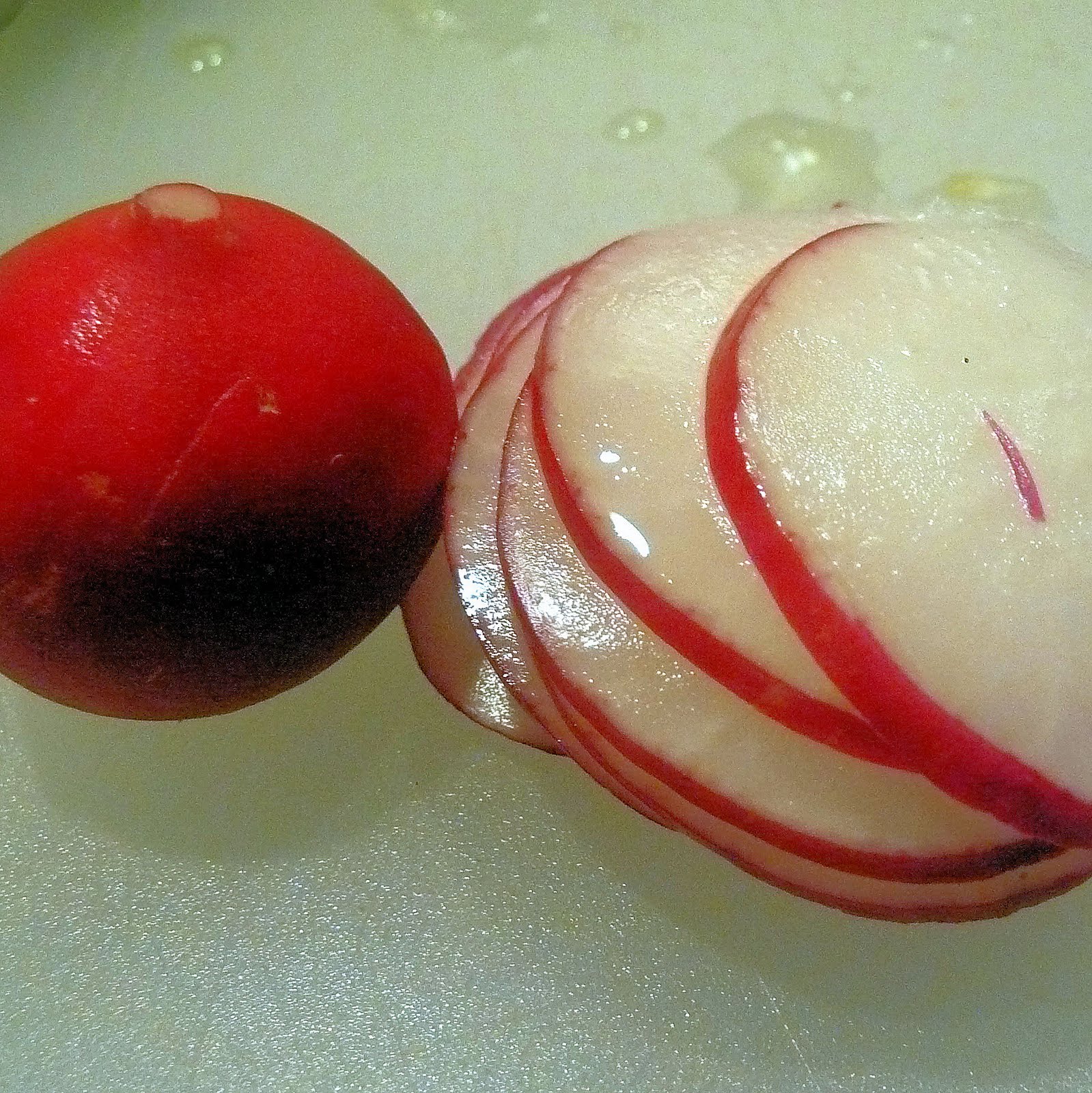
The radishes I had were tiny, and I was afraid to try to thinly slice them without losing a finger. I used a mandolin slicer to slice the radishes as thin as possible. Be very careful not to get your fingers!

Add the sliced cucumber and radishes to a bowl. Zest the lemon into the same bowl.

Add the feta cheese and set aside.

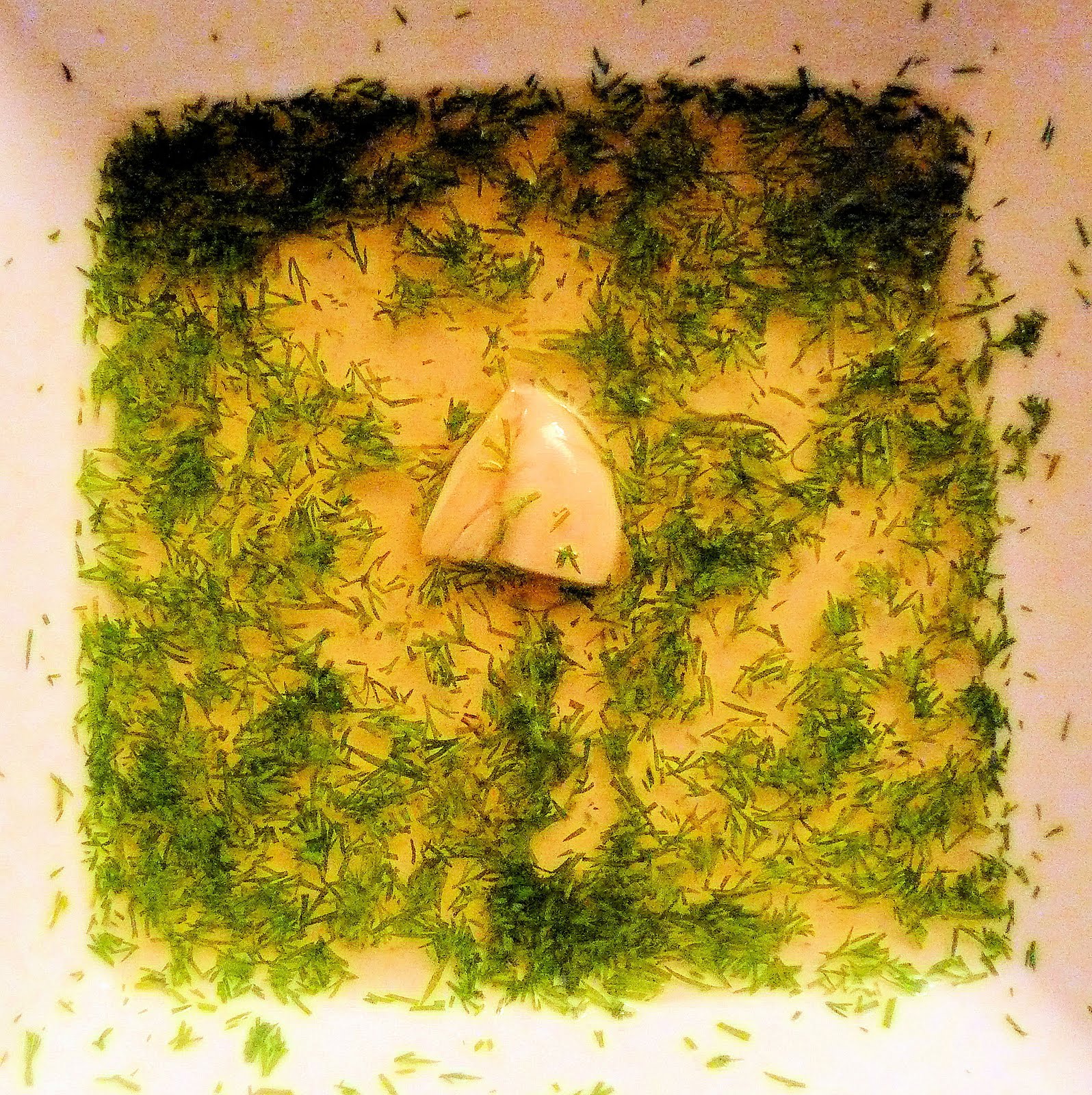
In another bowl, combine the lemon juice, vinegar, dill, sugar, and garlic. Whisk until the sugar has dissolved. Season with salt and pepper.

Whisk in the oil in a slow, steady stream until emulsified.

That just means mixed so the vinegar/oil don’t separate
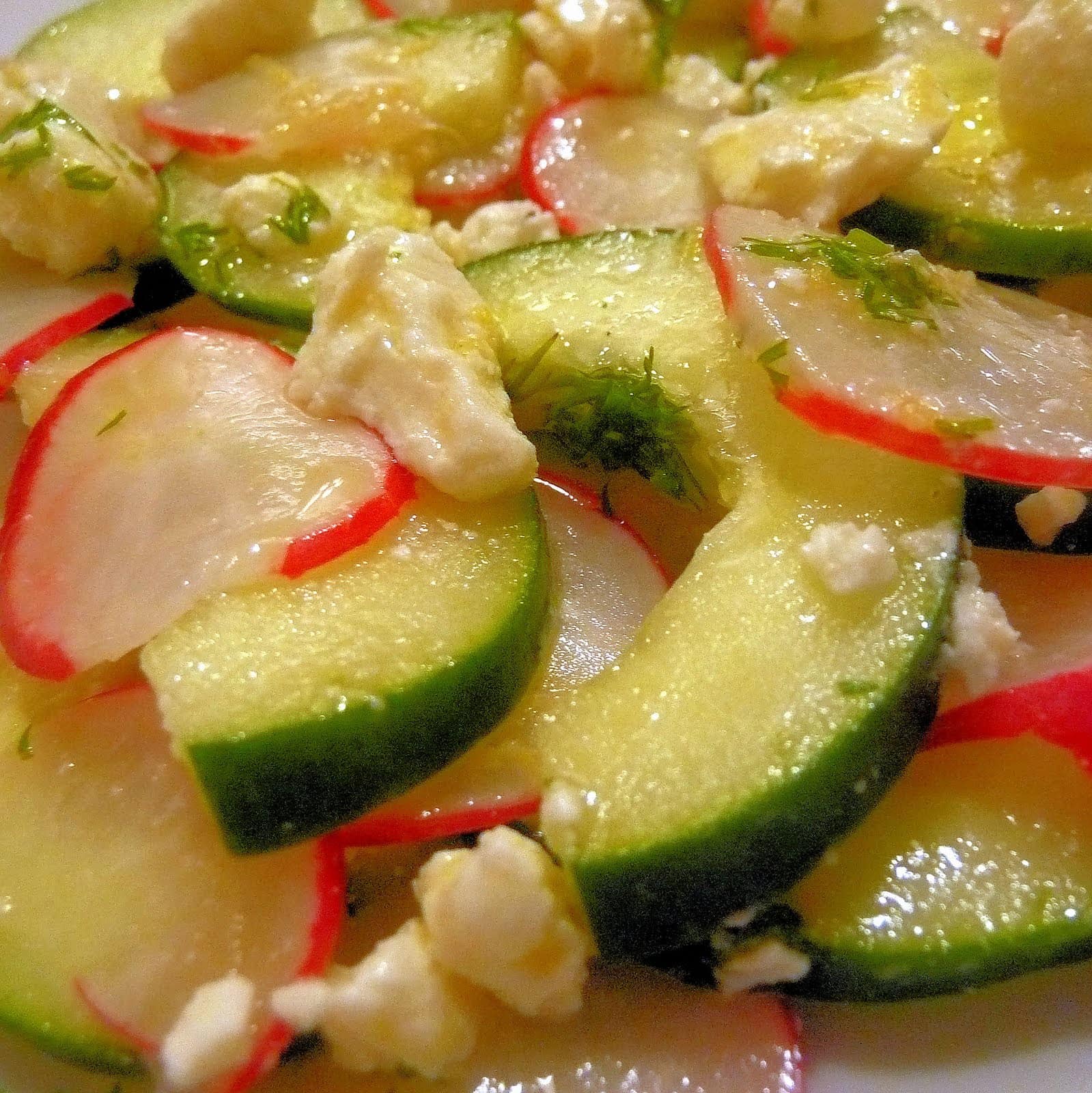
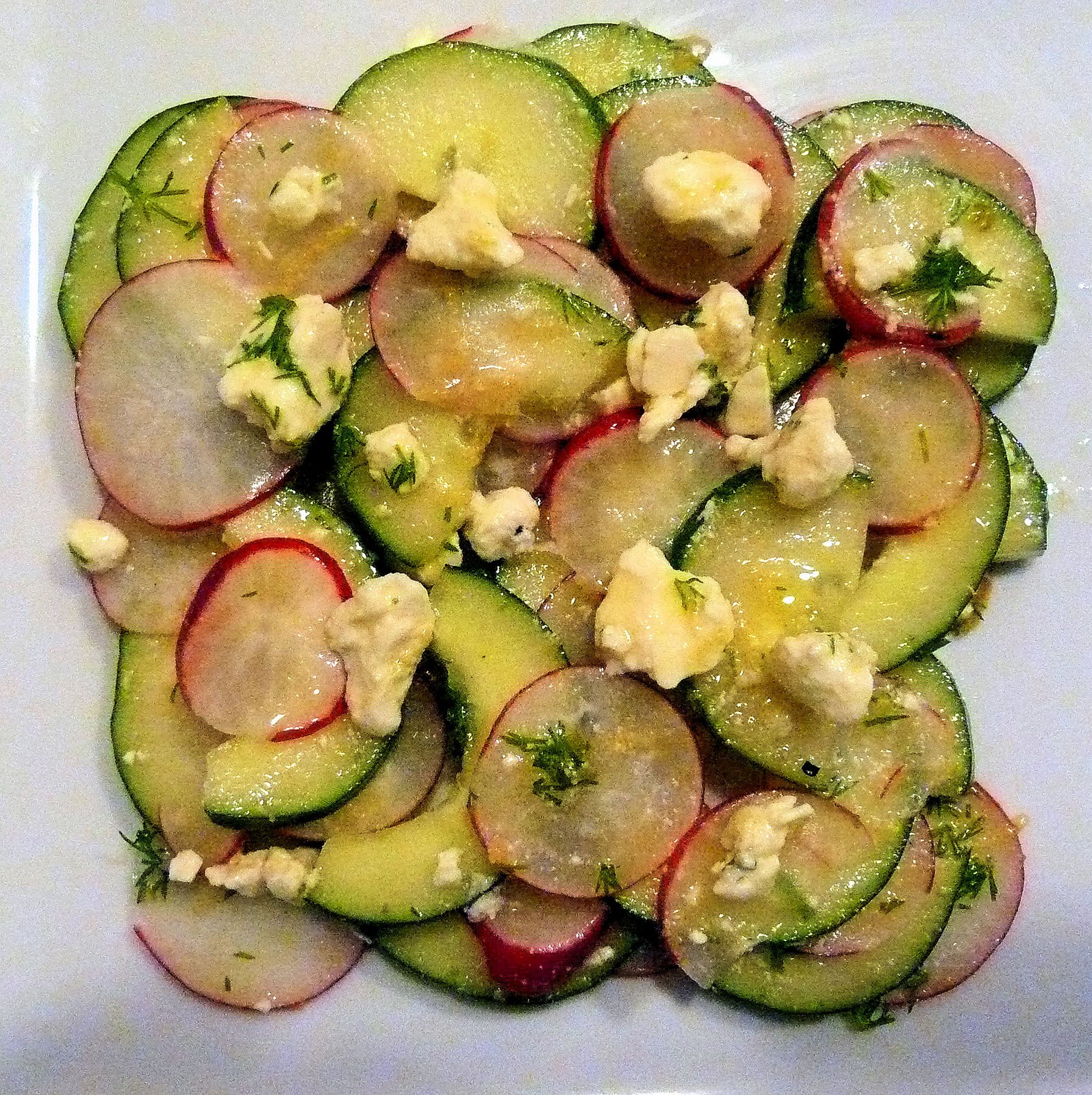
Add the vinaigrette to the cucumber mixture, tossing to coat. Make sure to discard the garlic before serving.
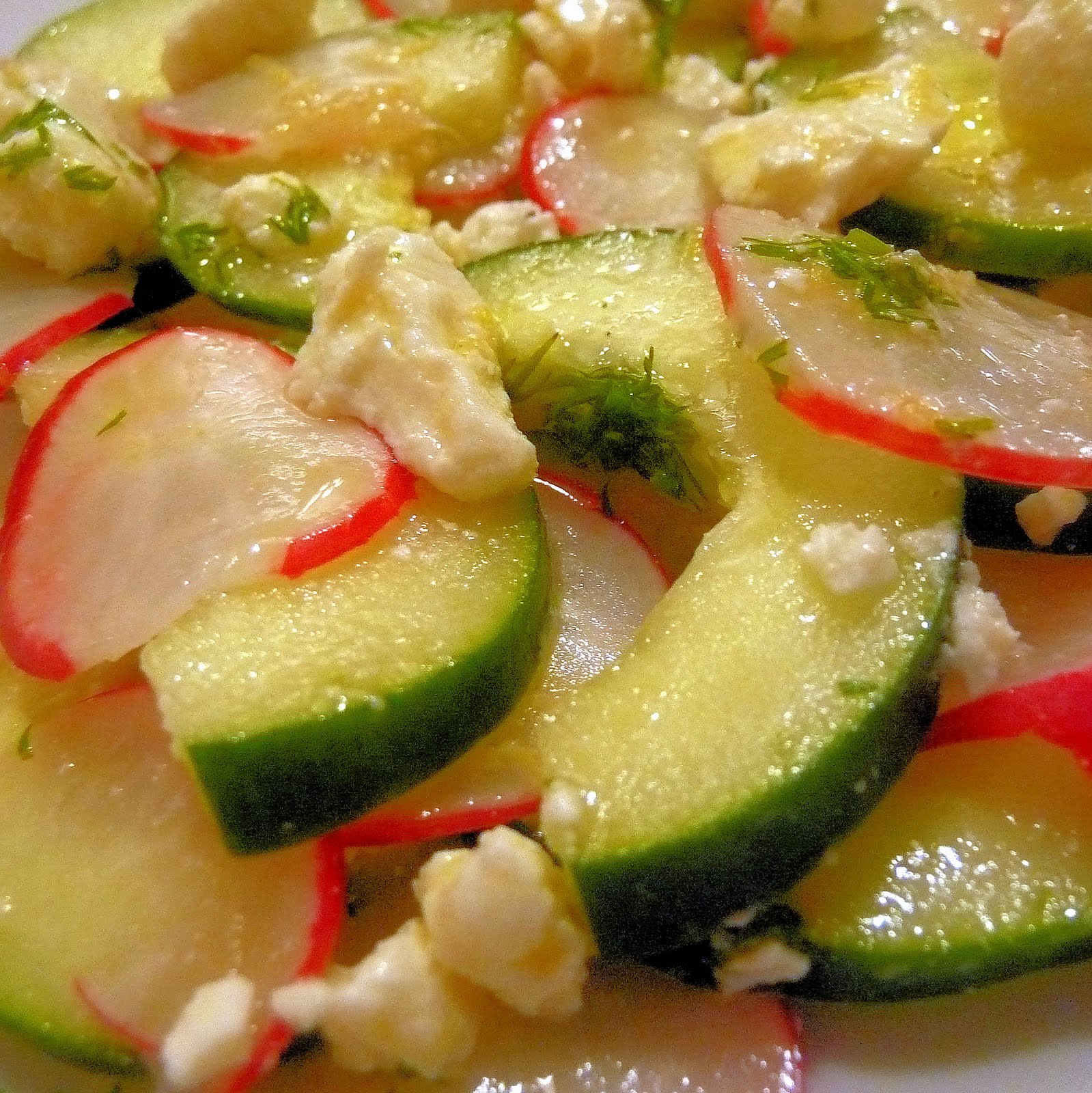
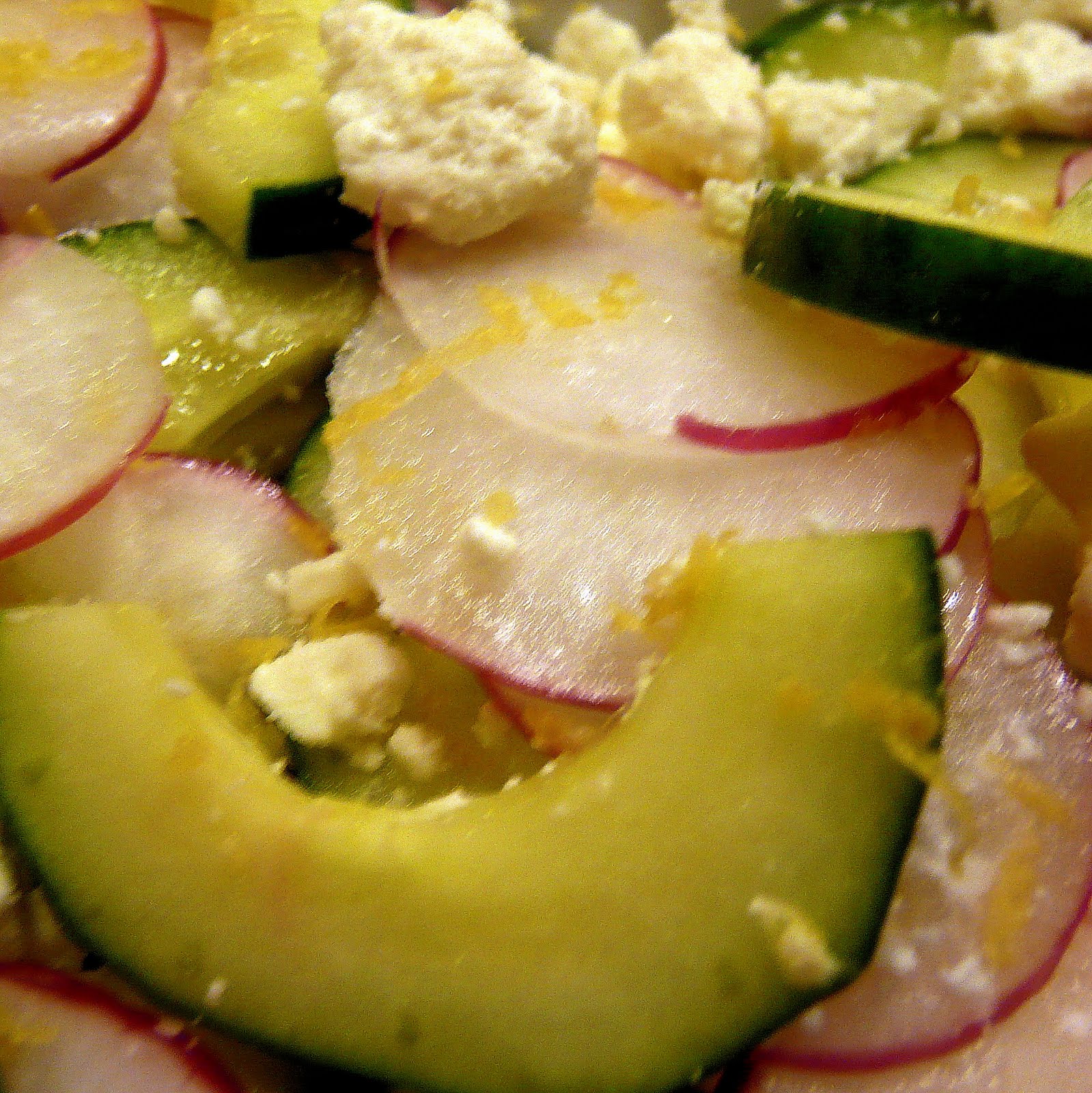
Even if this turned out to be the most offensive salad I’ve ever eaten, I’d still probably post it just so you could see how beautiful the salad is. Thankfully, the flavors worked really well together. The lemon soaked into the cucumbers and radishes adding a hint of citrus, the dill added a little earthiness to the dish, and the feta was a nice balance to the fresh vegetables. I am pleasantly surprised to say that I hope to make radishes a part of my normal ingredients during the spring!

Lemon-Dill Salmon

This recipe is a result of me buying a bunch of ingredient for other recipes and then forgetting to look up anything for a salmon recipe.  I rummaged through my fridge and came up with a few ingredients I figured would taste good together.

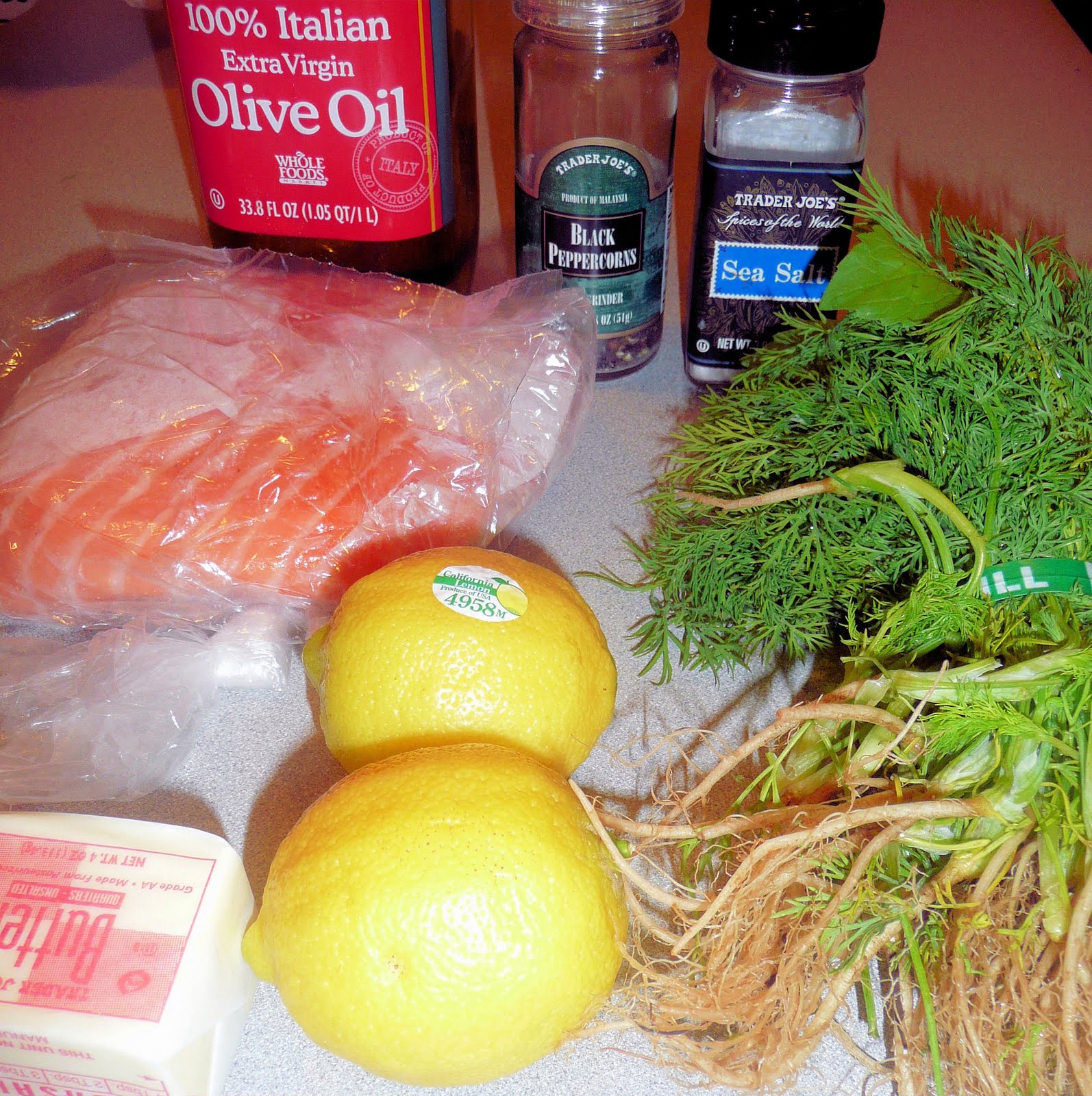
Ingredients:
1 lb salmon
1 lemon, zested and squeezed
1 tablespoon freshly chopped dill
1 tablespoon butter, melted
1 tablespoon olive oil
Salt and Pepper, to taste

There are two lemons, but I only used one

Zest the lemons into a bowl. Cut the lemon in half and squeeze the juice of the lemon into the bowl. Add the melted butter and mix.

Add the tablespoon of dill and mix.

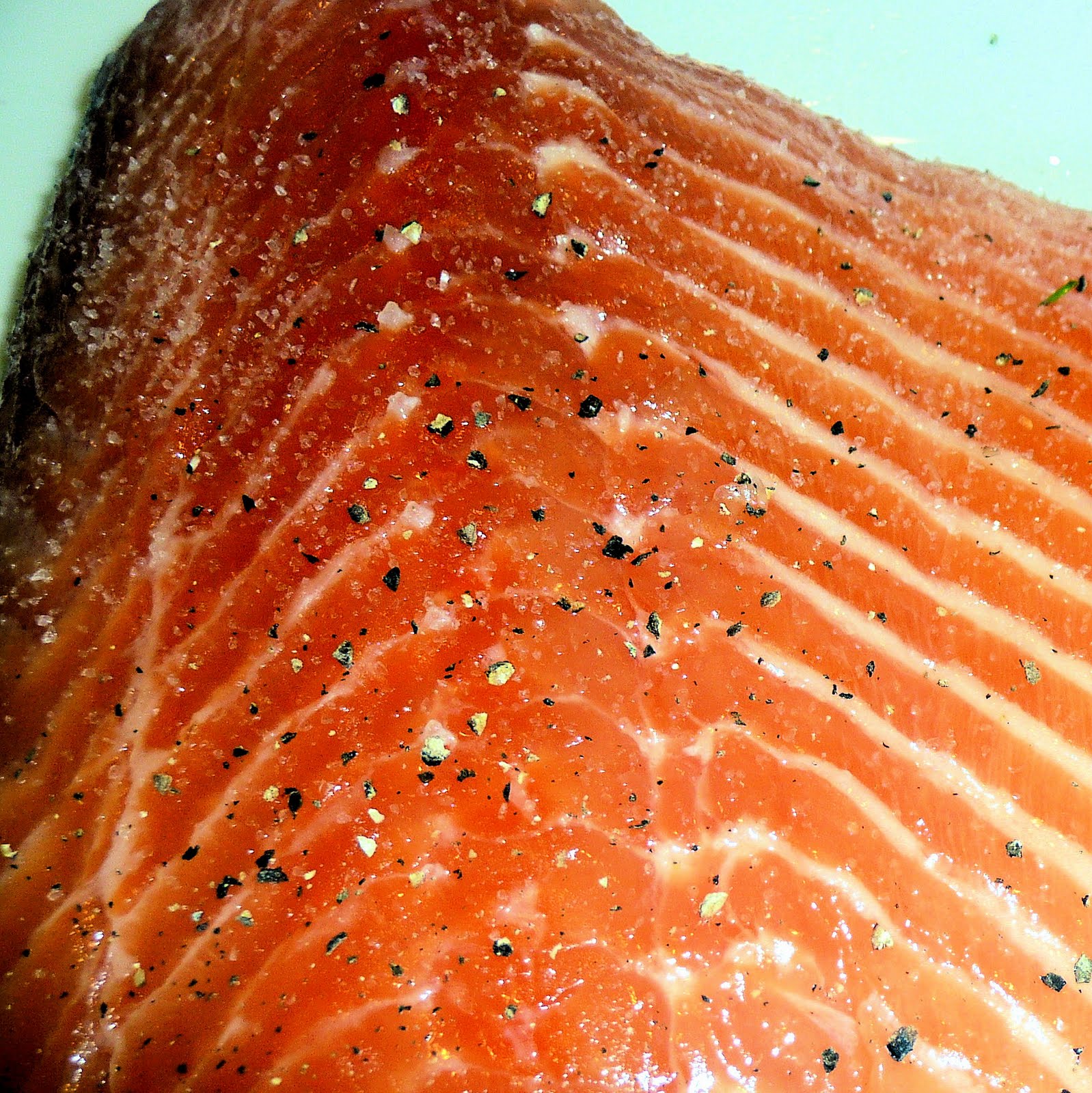
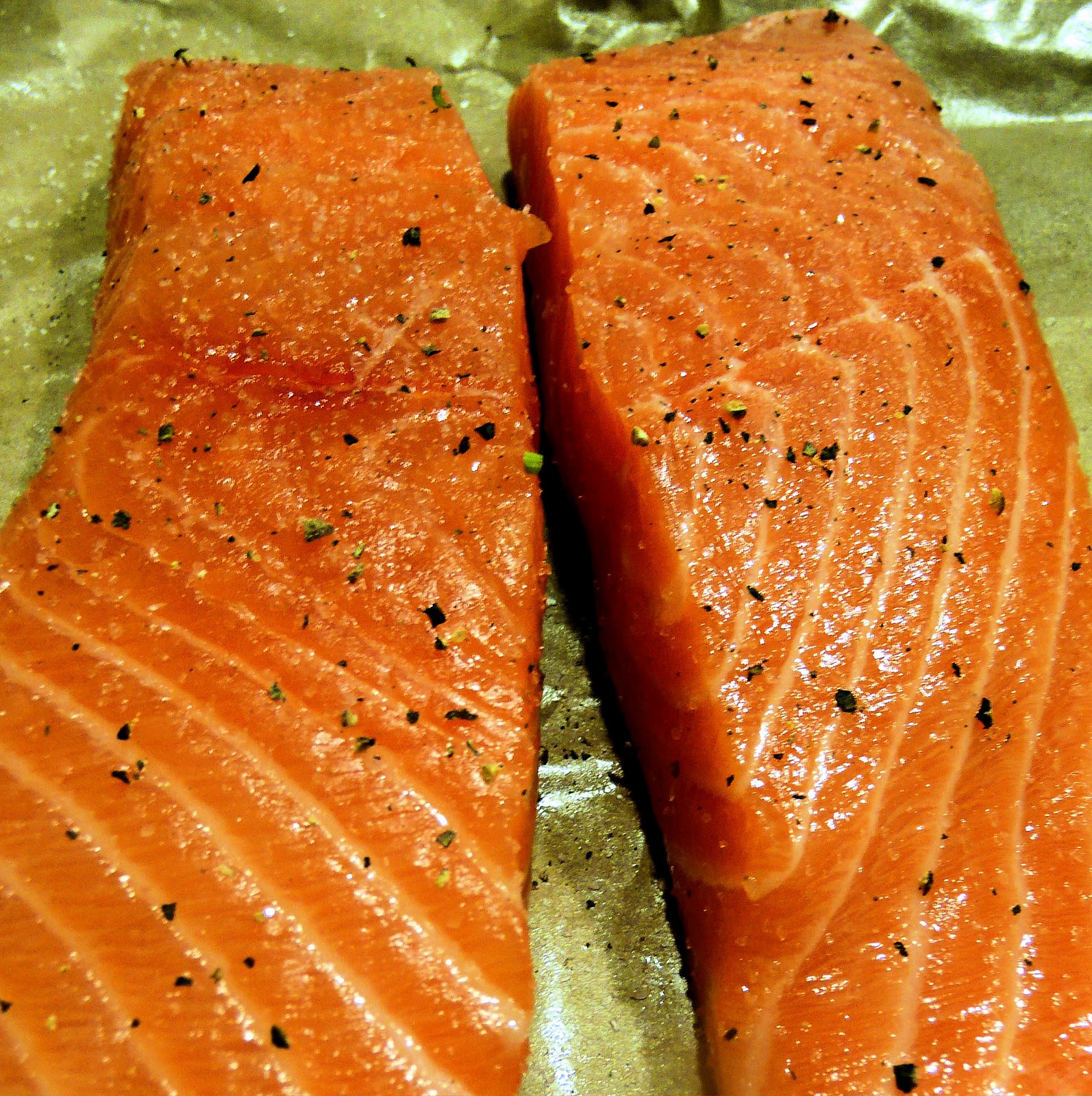
Heat one tablespoon olive oil over medium-high heat. Season the salmon with salt and pepper.

Pour the lemon-butter-dill mixture over the salmon.

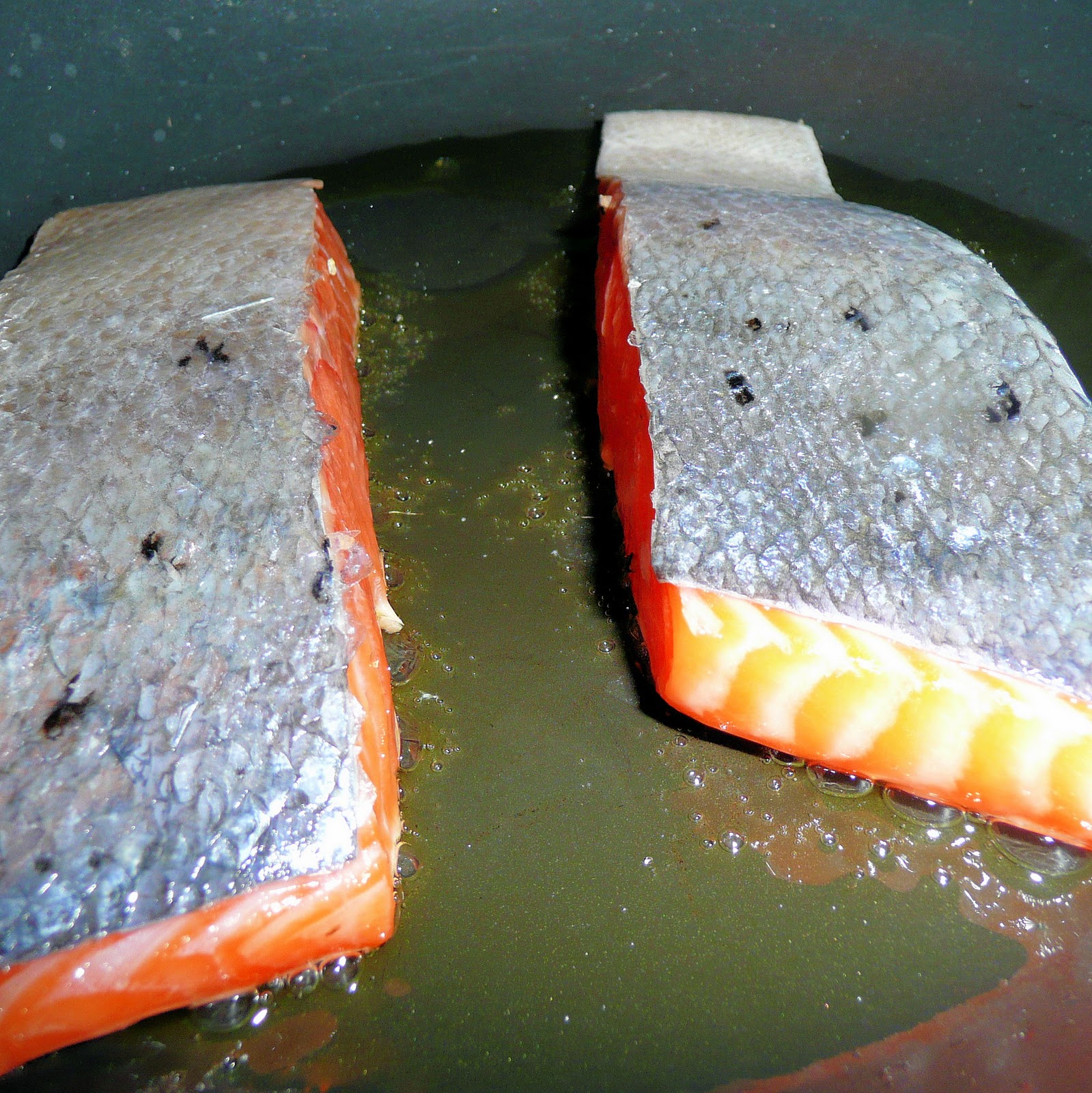
Add the salmon to the pan skin-side up. Cook for 2 minutes or until the salmon has a nice brown sear.  Flip and cook until the salmon is cooked though and flakes easily.
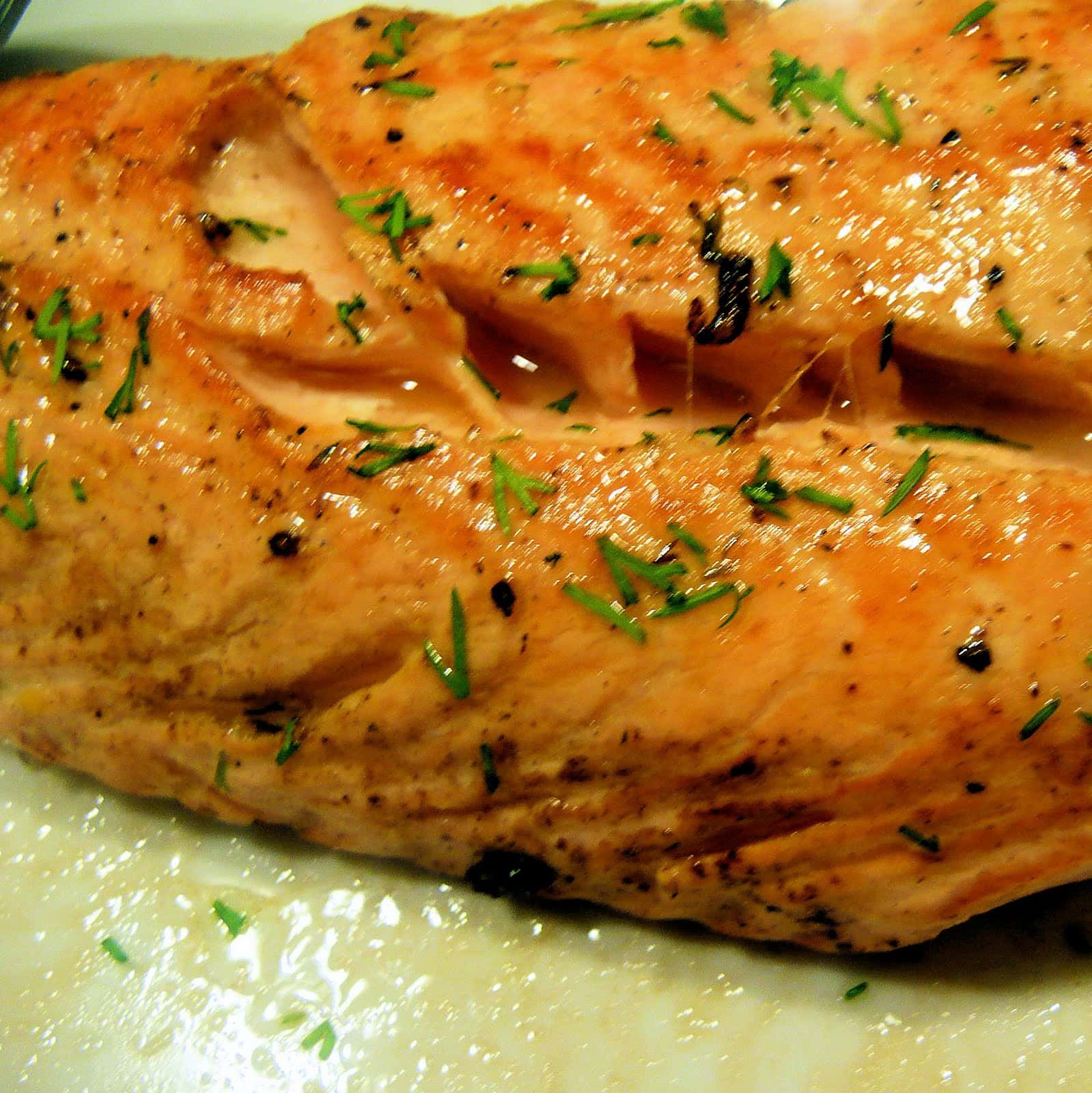
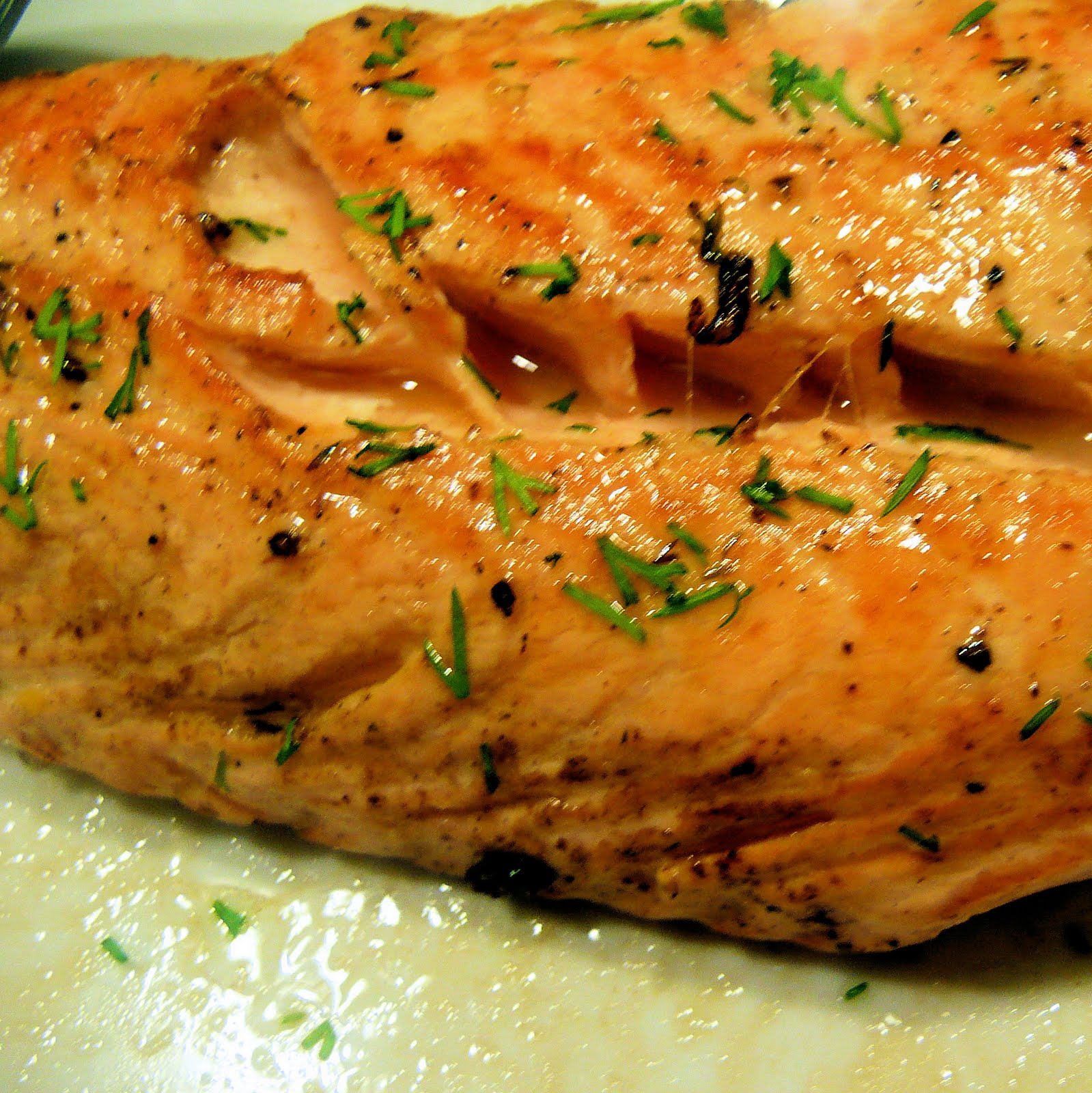
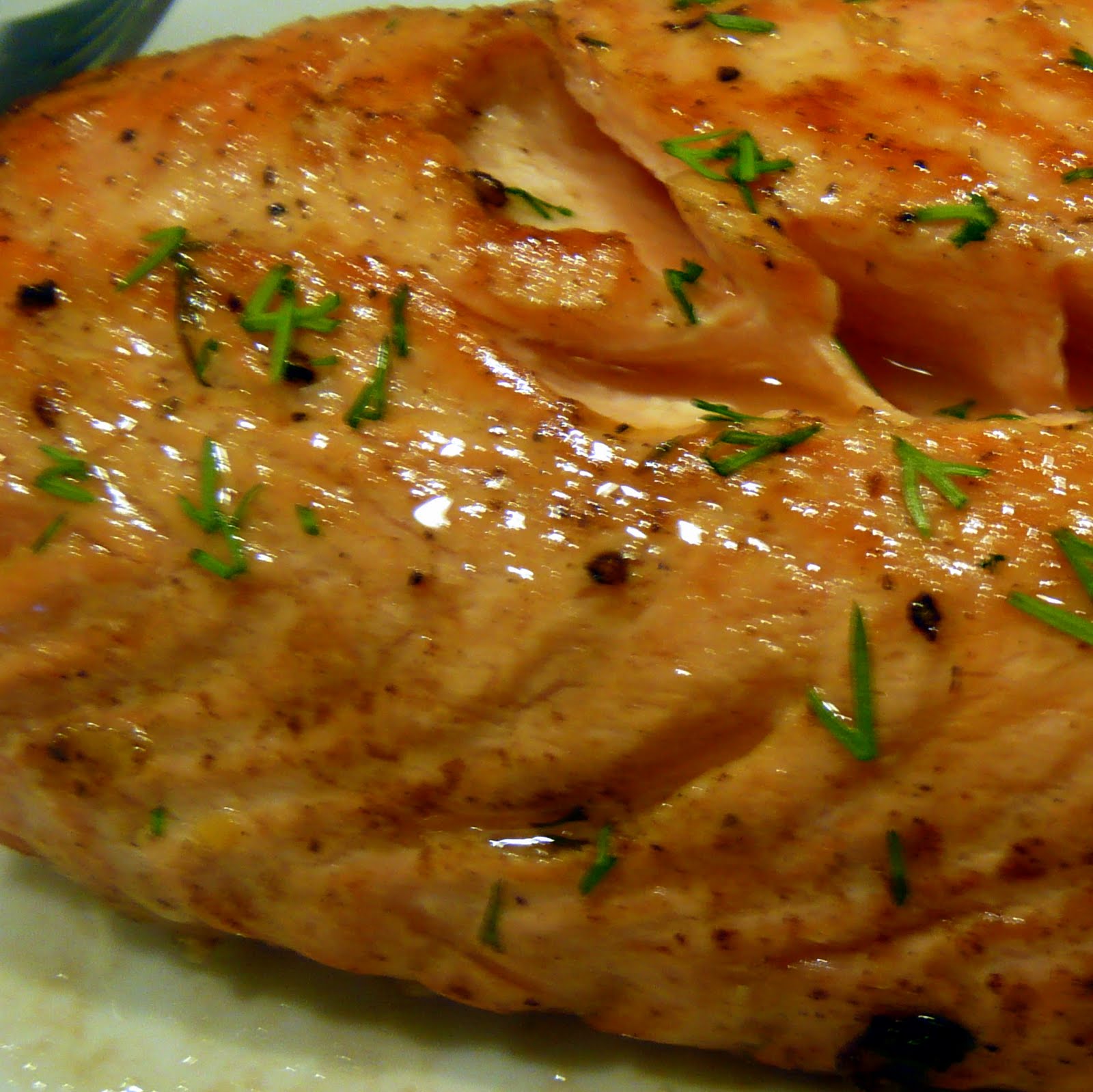
So this recipe isn’t a breakthrough way to cook salmon. But it is tasty, a bit different than your normal salmon dish, and happily quick. I am a big fan of lemon zest, it really lets the lemony flavor shine through the butter and dill.

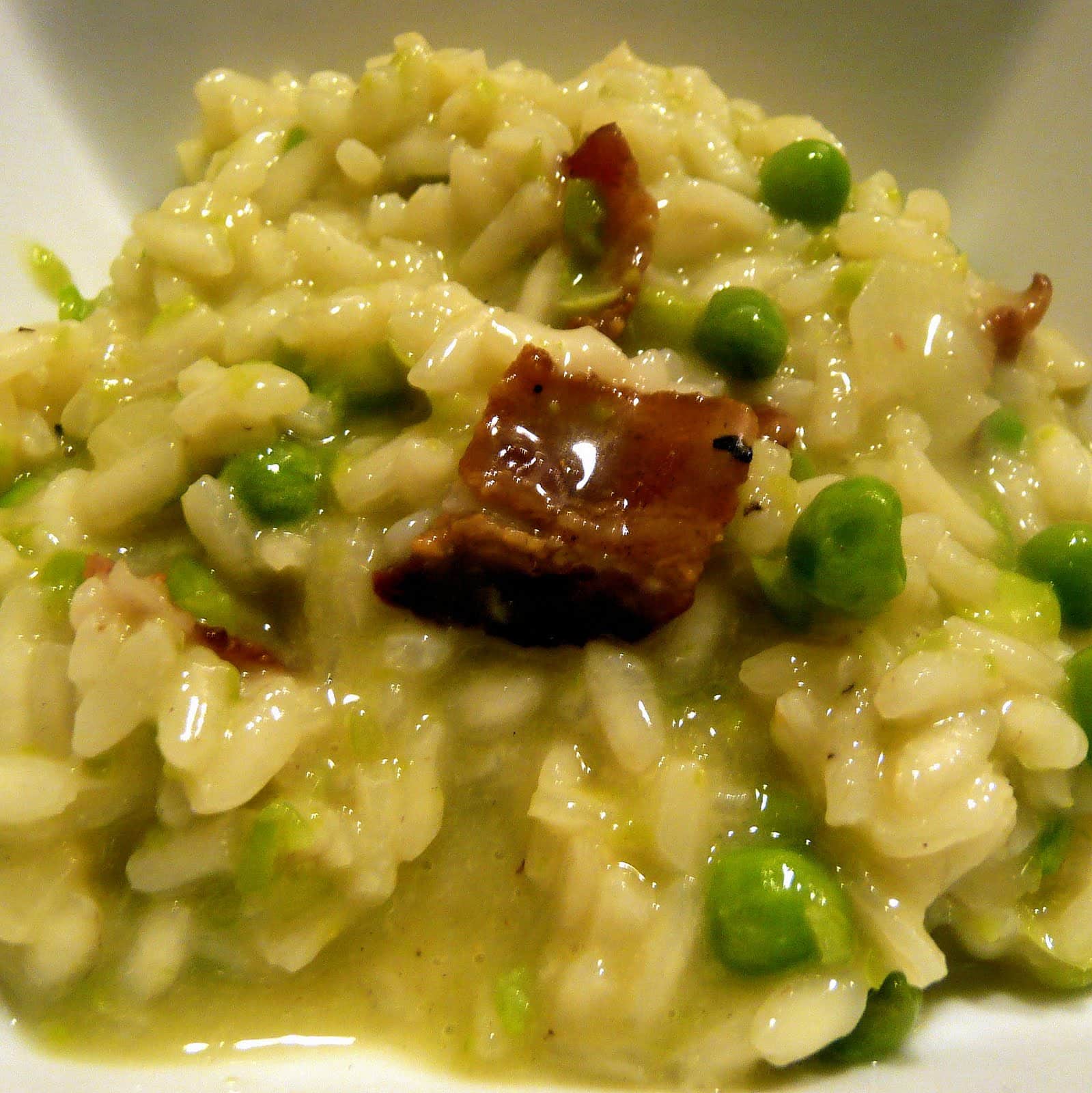
Pea & Bacon Risotto

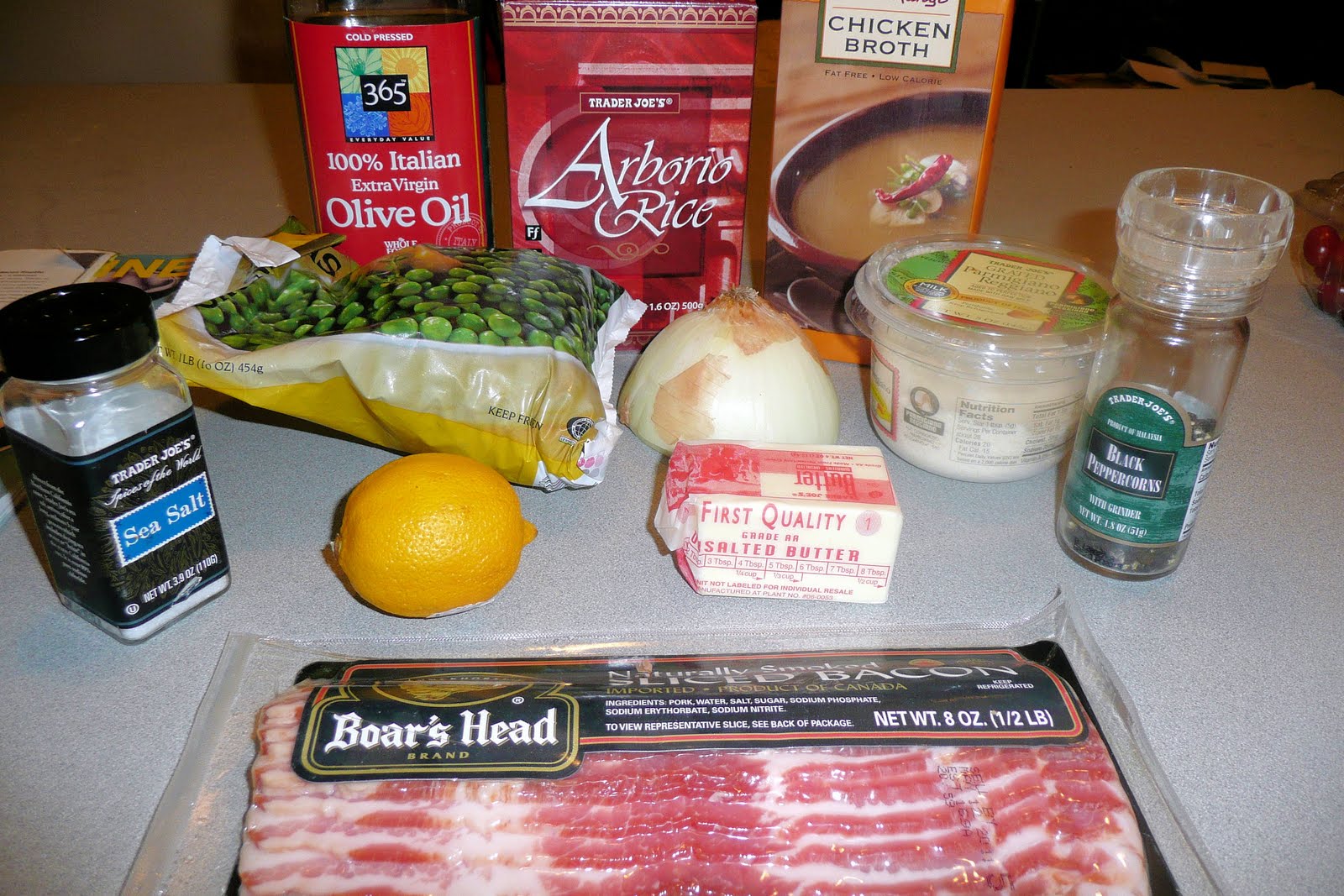
I have been feeling exceptionally lazy and have been avoiding food shopping at all costs. Thankfully, the latest Food & Wine magazine allowed me to go one more day without getting more groceries. I happily had all of these ingredients on hand.

Ingredients:
6 ounces bacon, diced
2 cups frozen baby peas, thawed, divided
2 tablespoons olive oil
1 small onion, minced (I used 1/2 of a leftover onion I had)
2 cups arborio rice
1/2 cup dry white wine
7 cups simmering chicken stock
1 tablespoon unsalted butter
1/2 cup freshly grated Parmigiano-Reggiano cheese
1 tablespoon fresh lemon juice
Salt and freshly ground pepper

I forgot to put the wine in this photo. Whoops

Warm the chicken stock in a saucepan on the stove over low heat.
In a large saute pan, heat the oil over medium heat. Add the onion and cook over medium heat until soft, 5 minutes. Add the rice and cook, stirring, until the rice is evenly coated with the oil. Add the wine and simmer until almost evaporated, 3 minutes.
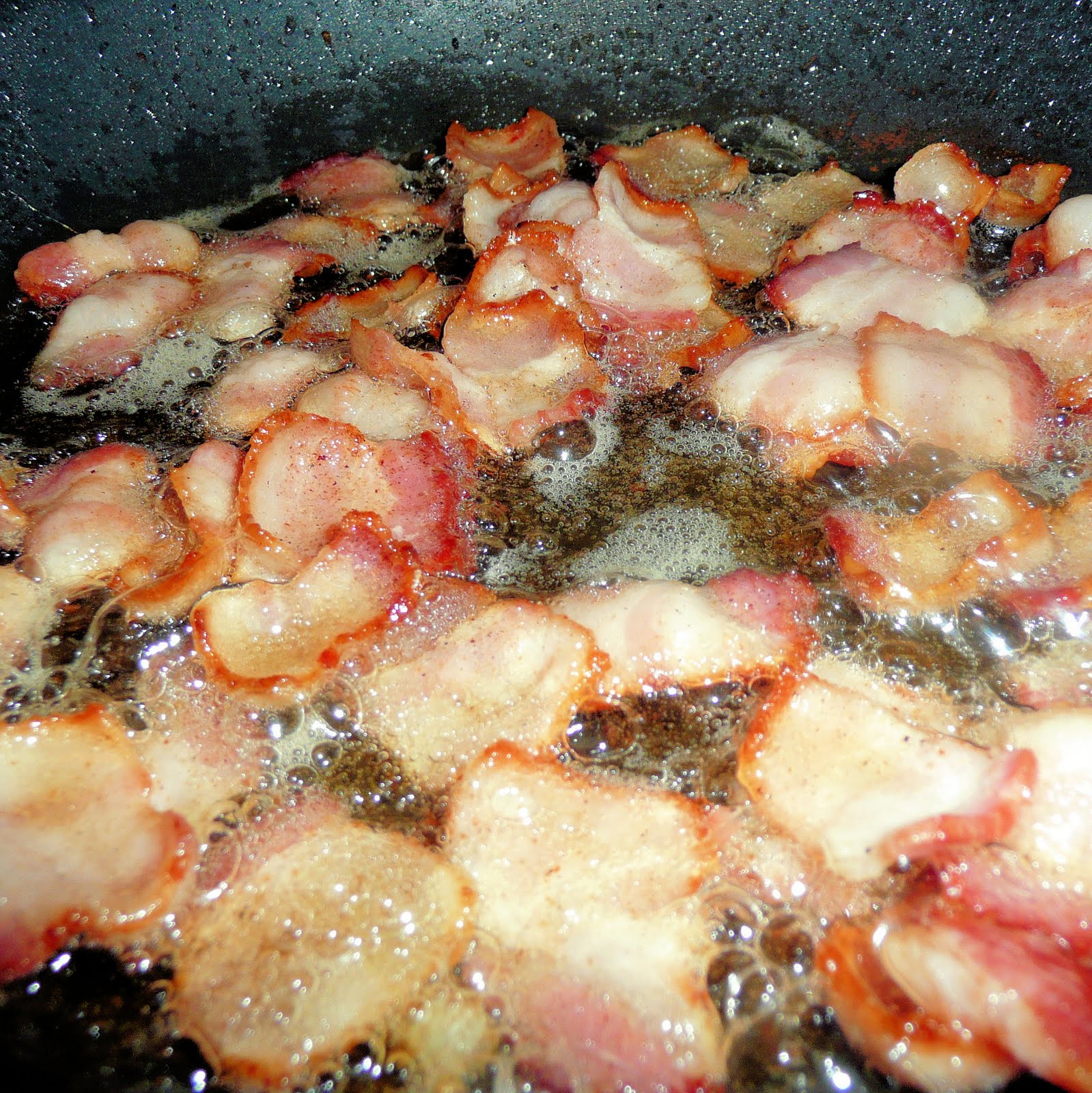
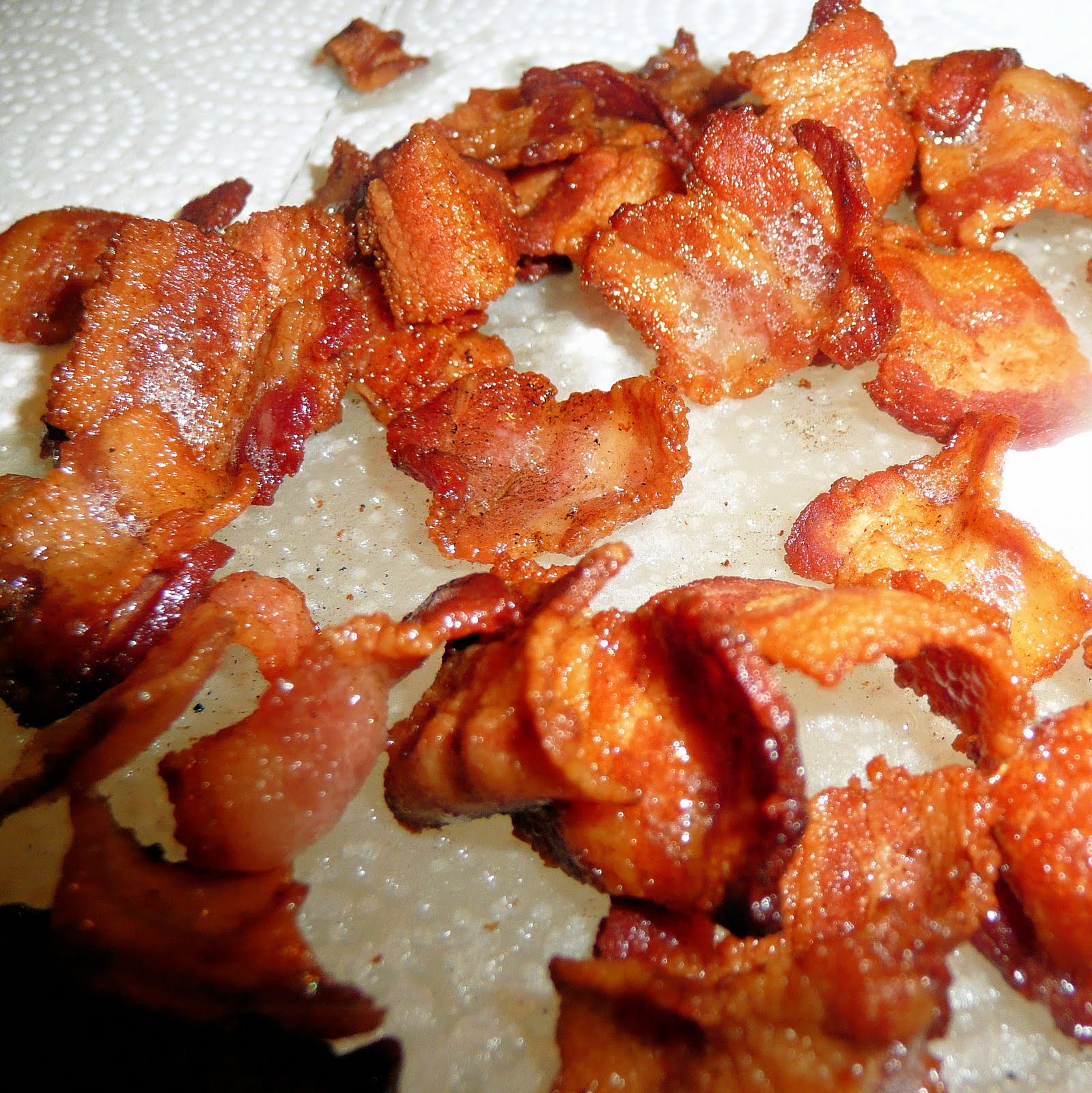
In another saute pan, cook the bacon over moderate heat until crisp, about 6 minutes.
Drain the bacon on paper towels; reserve 1 tablespoon of the bacon fat.
While the rice is absorbing the wine, puree half of the peas (1 cup) with 1 cup of water in a food processor. (I used my trusty Magic Bullet. Best Christmas present ever.
Not terribly appetizing..
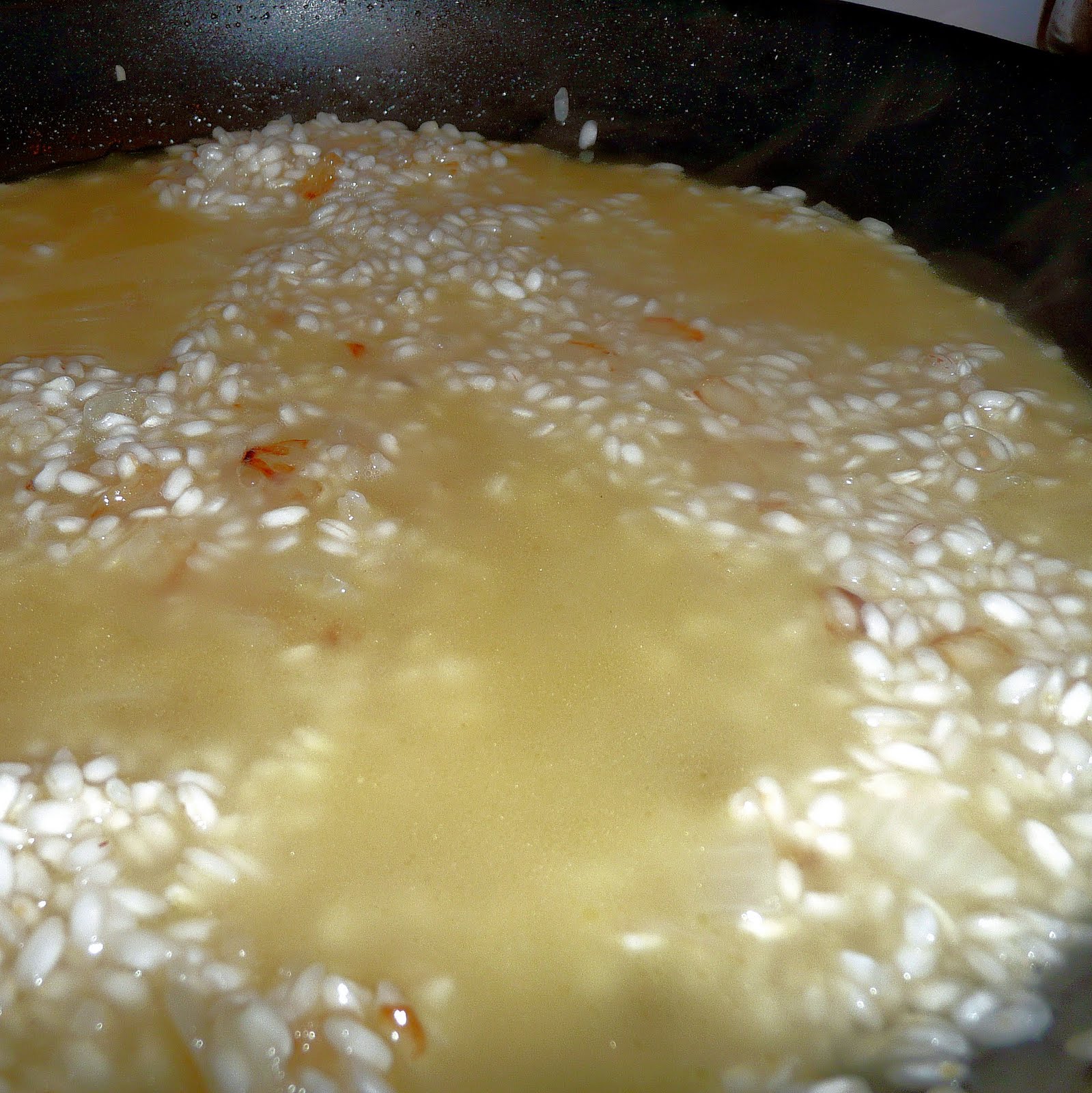
Once the wine is absorbed, add enough hot stock to just cover the rice and cook over medium heat, stirring, until the stock has been absorbed. Add more stock, enough to cover the rice.
You can tell I burnt some of the onions…
Continue cooking and stirring, adding more stock as it is absorbed, until the rice is creamy, about 25 minutes.
The rice really expands!
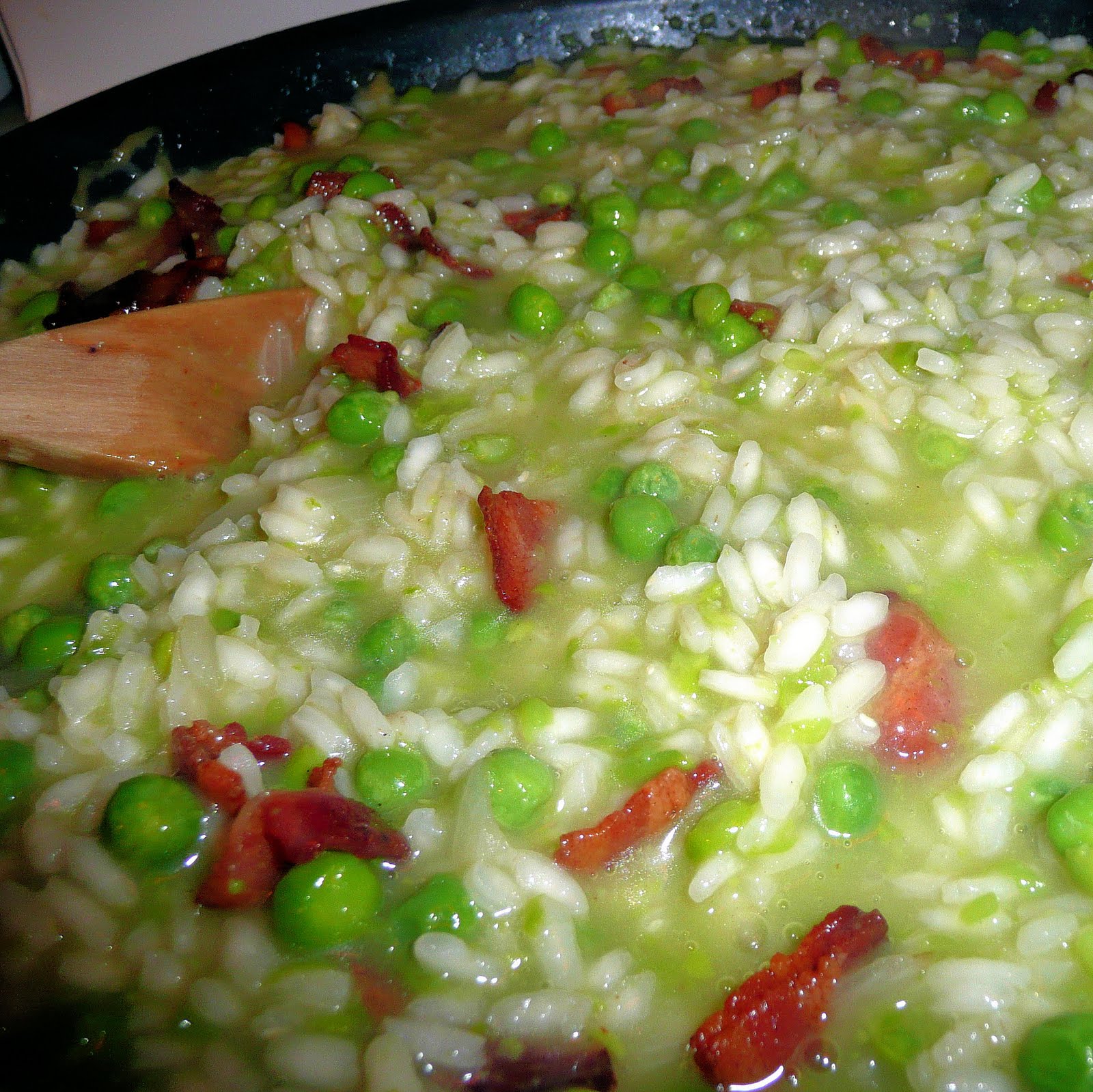
Add the pea puree, the remaining peas and the bacon and cook, stirring, until hot.
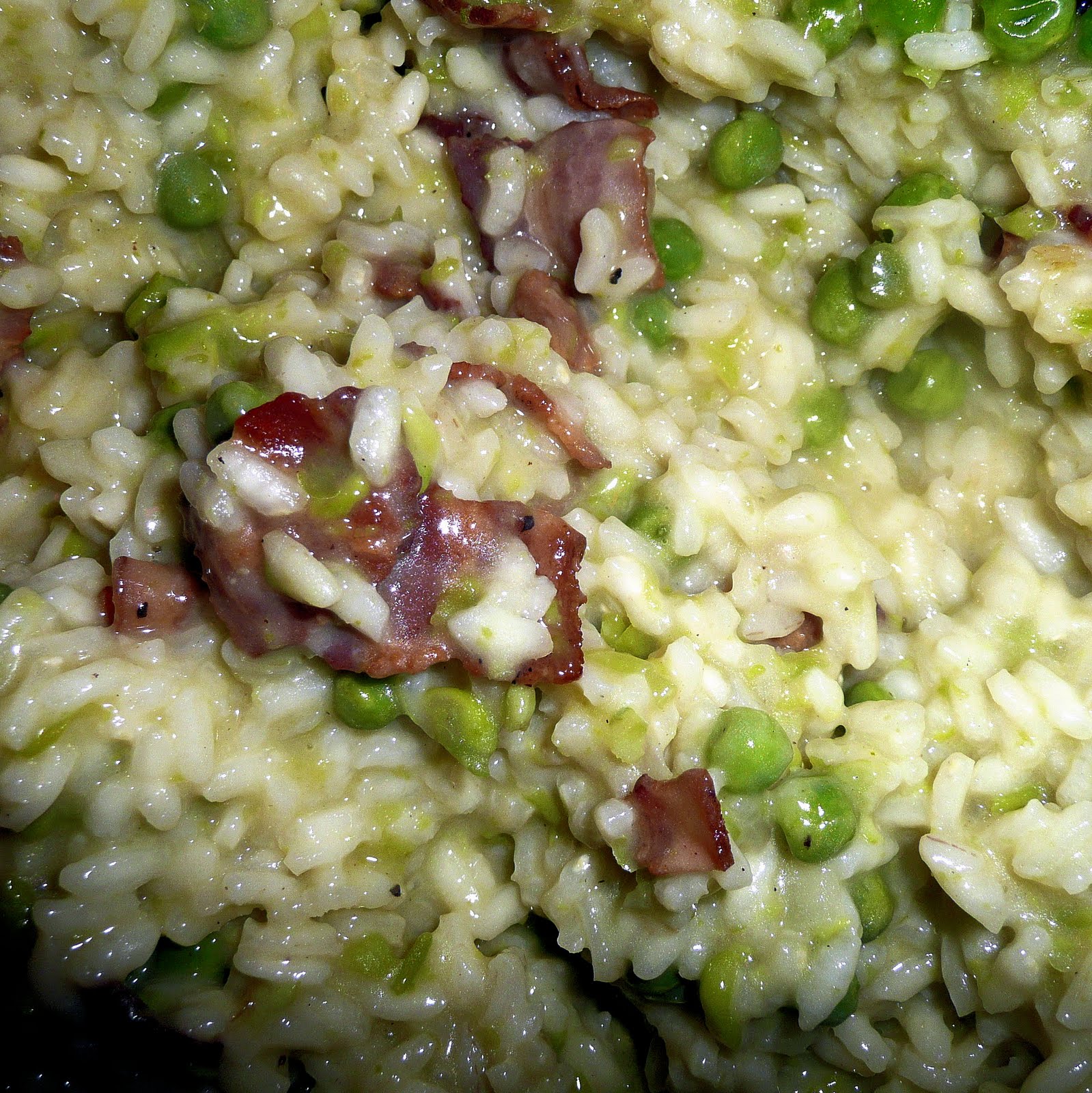
Remove the risotto from the heat and stir in the butter, reserved bacon fat, cheese and lemon juice. Season with salt and pepper.
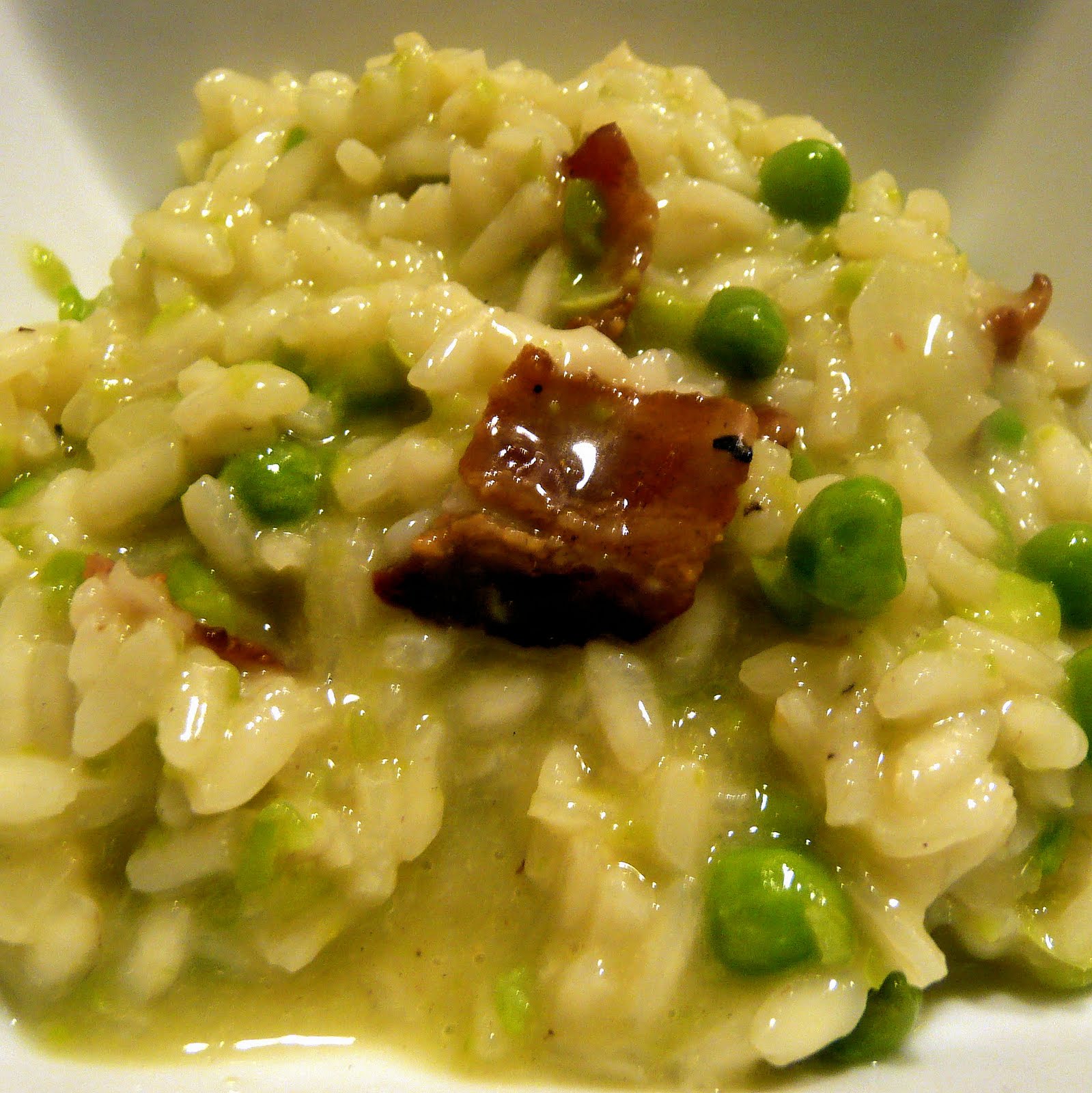
This was very satisfying, especially for not having to buy any ingredients. I think I’d like it with a bit more cheese, just as a topping upon serving. To take advantage of the spring season’s fresh vegetables, you could substitute in asparagus, or maybe just add some fresh asparagus to the dish.
Risotto is a great go-to meal on week days because it always takes about 30 minutes to make. I haven’t typed up many risotto recipes yet, but you can expect them in the future.

Pan-Fried Salmon with Citrus Vinaigrette

If you haven’t picked up on this yet, I’m quite the fan of salmon. It’s easy to make, tastes great, and is good for you. To add to my lovely salmon repertoire, I thought I’d give Food & Wine’s Pan-Fried Salmon with Citrus Vinaigrette (and Asparagus) a try.

Ingredients:
1 pound asparagus, stalks trimmed
1/4 cup extra-virgin olive oil, plus more for drizzling
1/4 cup fresh orange juice
1/4 cup fresh lemon juice
2 tablespoons fresh lime juice
1 medium shallot, minced
2 tablespoons snipped chives
Salt and freshly ground pepper
2 6-oz skinless salmon fillets

Ok. So I cut corners & bought OJ. shh

1/4 cup lemon juice ends up being about 2 lemons
2 tablespoons fresh lime juice is equal to about one lime.
Heat a large pot of salted water over high heat. When the water is boiling, drop the asparagus in, and cook until bright green and crisp-tender, about 3 minutes. Drain and rinse with cold water to stop the cooking process. Pat dry and transfer to a plate. Drizzle some olive oil over the asparagus and toss.
In a small saute pan, mix the orange, lemon, and lime juices and simmer over medium heat until reduced by half, about 10 minutes.
Pour into a bowl and let cool to room temperature. Whisk in the shallot, chives, and 1/4 cup olive oil. Season with salt and pepper.
Heat 1 1/2 tablespoons of olive oil over medium high heat. Season the salmon with salt and pepper
Add to the saute pan, skin side up.
Cook for 3 minutes and flip. The salmon should have a nice browned sear.
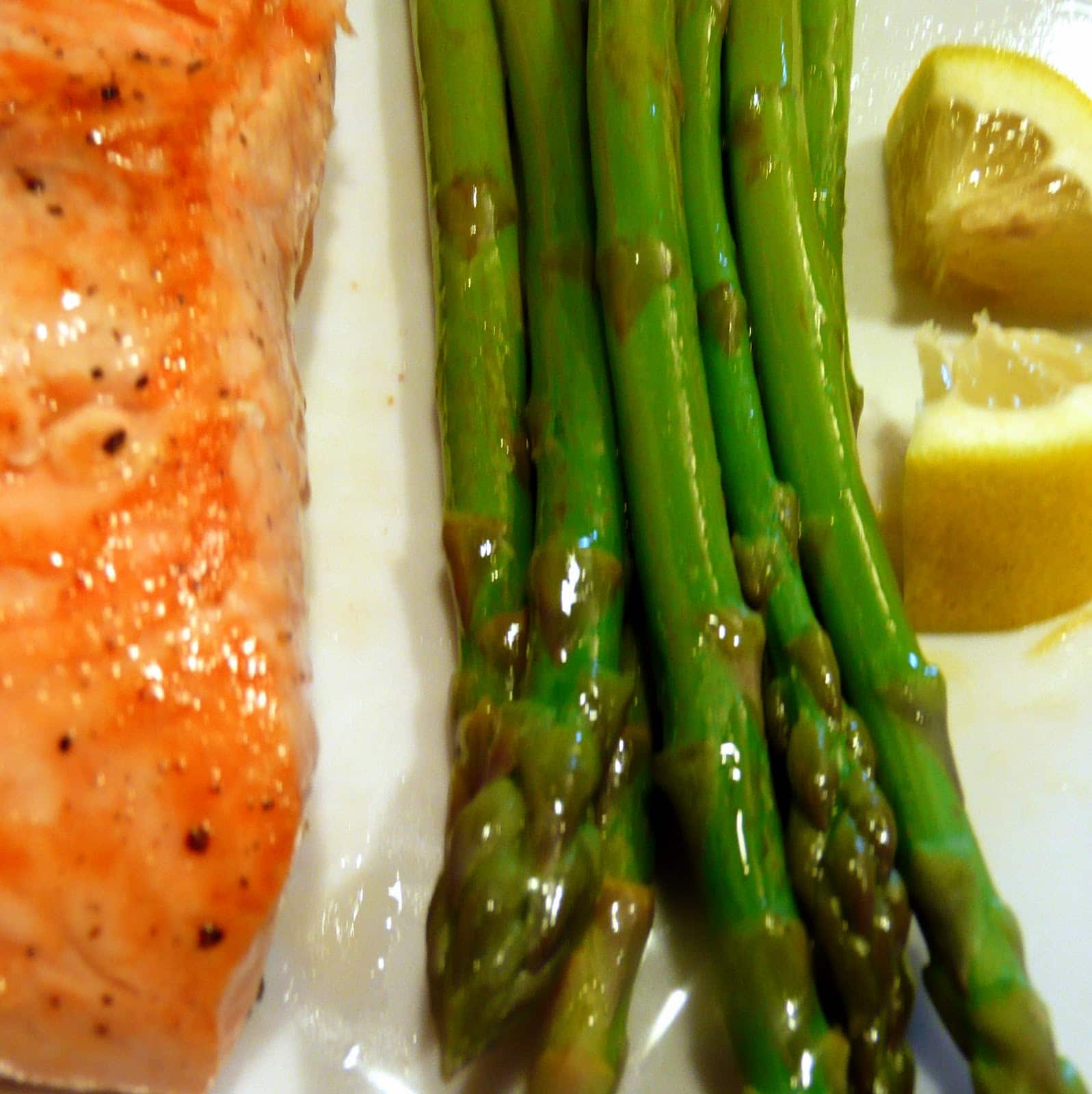
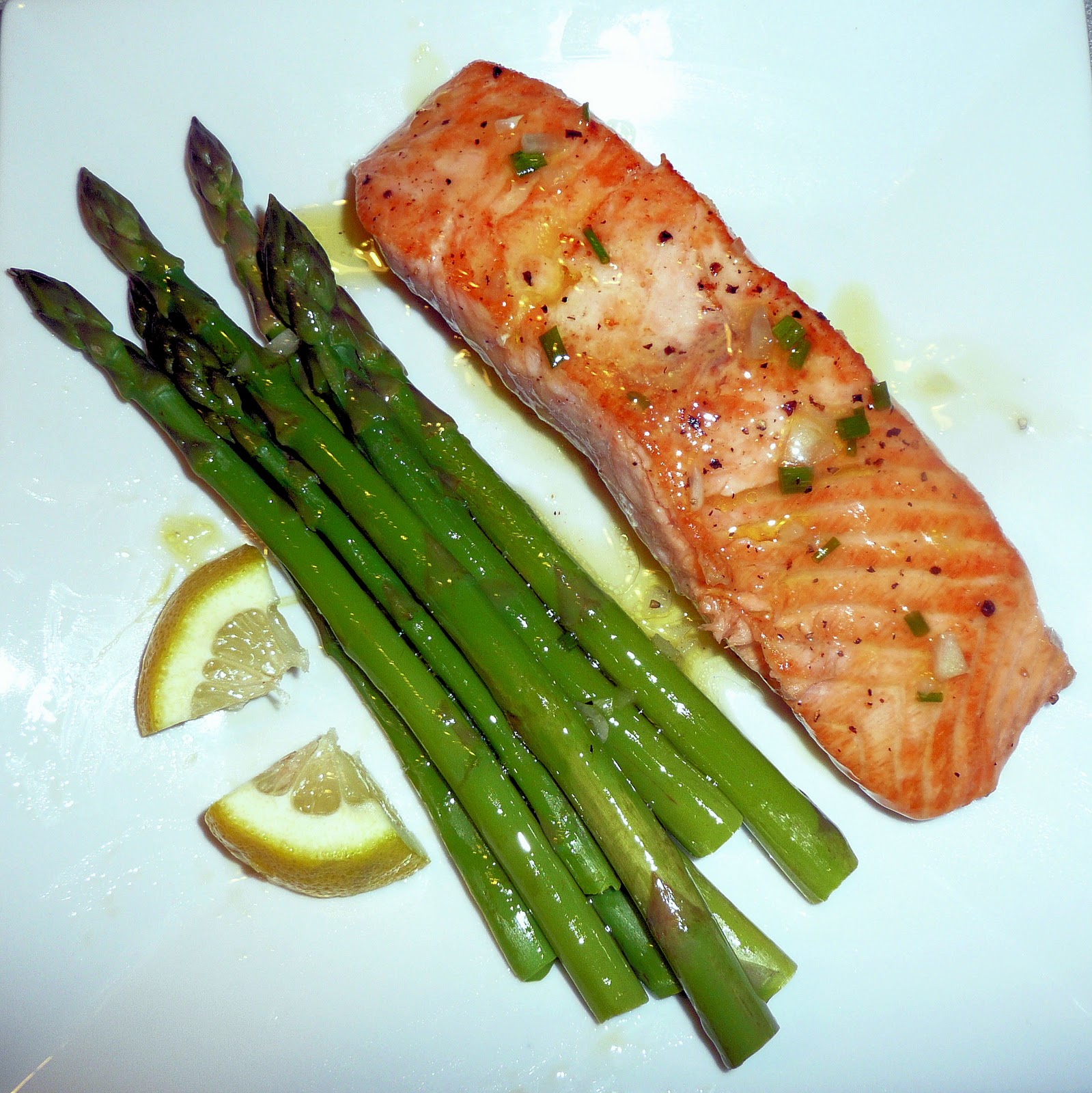
Cook for another three minutes until cooked through in the center. Transfer the salmon to plates and spoon some of the citrus vinaigrette on top. Serve the salmon with the asparagus.
Ah. I love any kind of citrus with asparagus and salmon, and this was no exception.  It was a quick and easy recipe too, easily made on week days. The citrus vinaigrette would be great on raw spinach as well.

Smoked Salmon Panini

I really don’t like a cold lunch, especially sandwiches. There is something about a plain sandwich that makes me so unexcited to eat it. But a panini makes me happy: toasted bread, melty cheese… yum! So I was glad to try out this Smoked Salmon Panini.
Note: I have a panini press, but if you don’t, just use a saute pan and spatula to flip half way through the cooking.

The original recipe is linked above. I made a few substitutions, which are listed below.

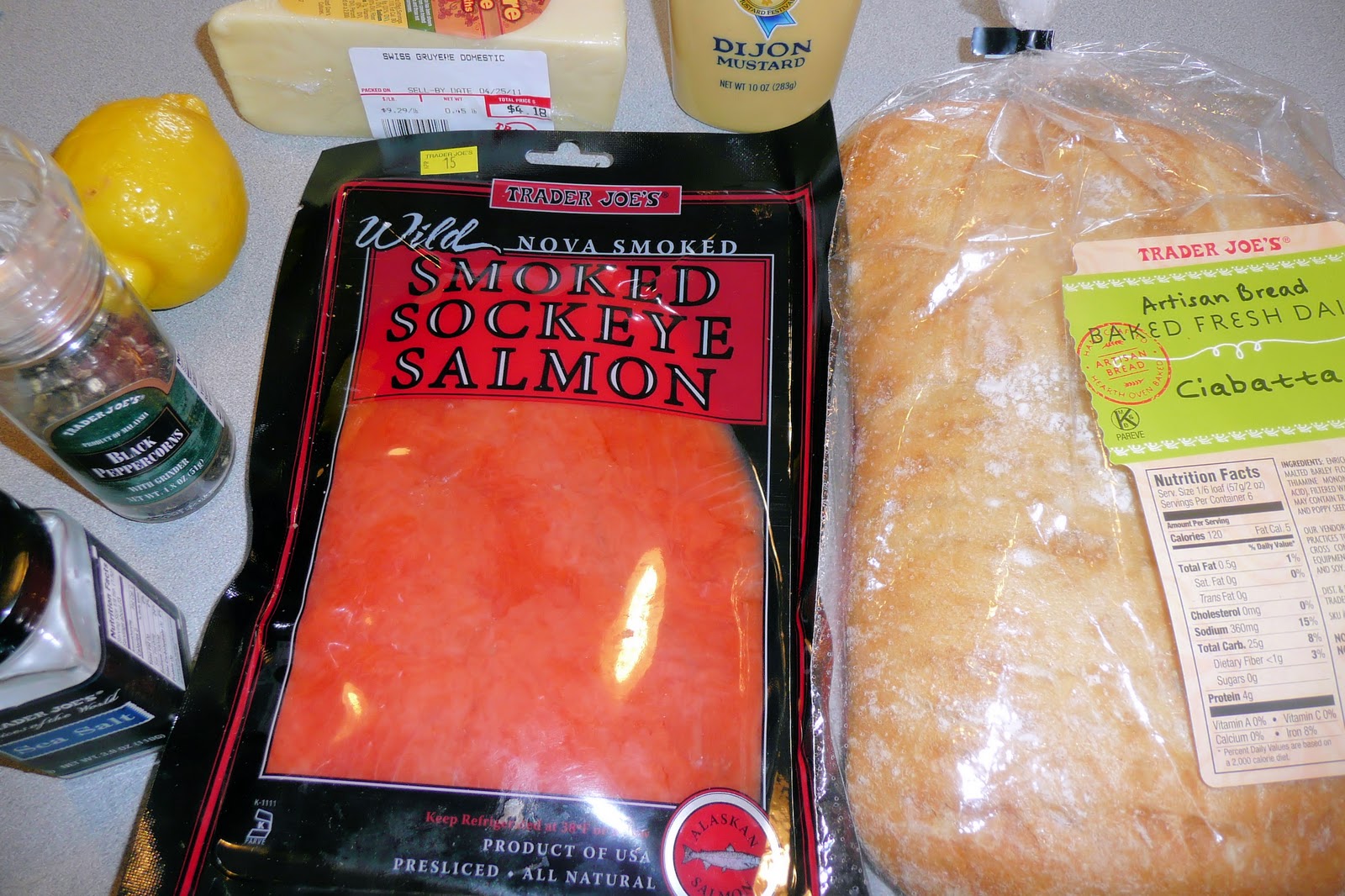
Ingredients: (this makes one sandwich, multiply as needed)
2 slices ciabatta
Dijon mustard, for spreading
thin slices of Gruyère cheese
2 oz thinly sliced smoked salmon
Finely grated zest of 1/4 of a lemon
Salt
Freshly ground pepper

Preheat the panini press or saute pan.

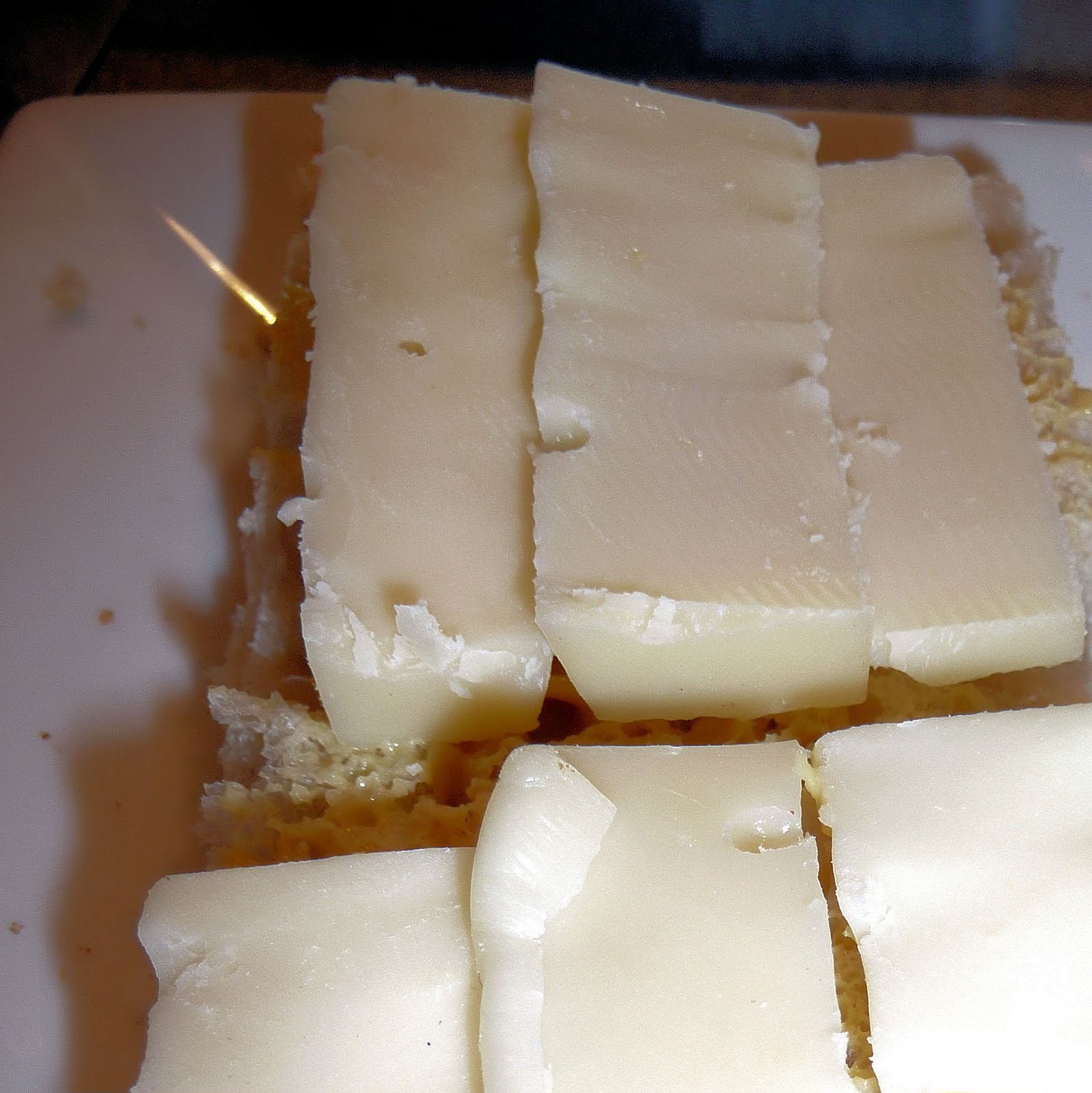
Spread 1 slice of ciabatta bread with some Dijon mustard, as little or as much as you’d like. Top with some Gruyere cheese.

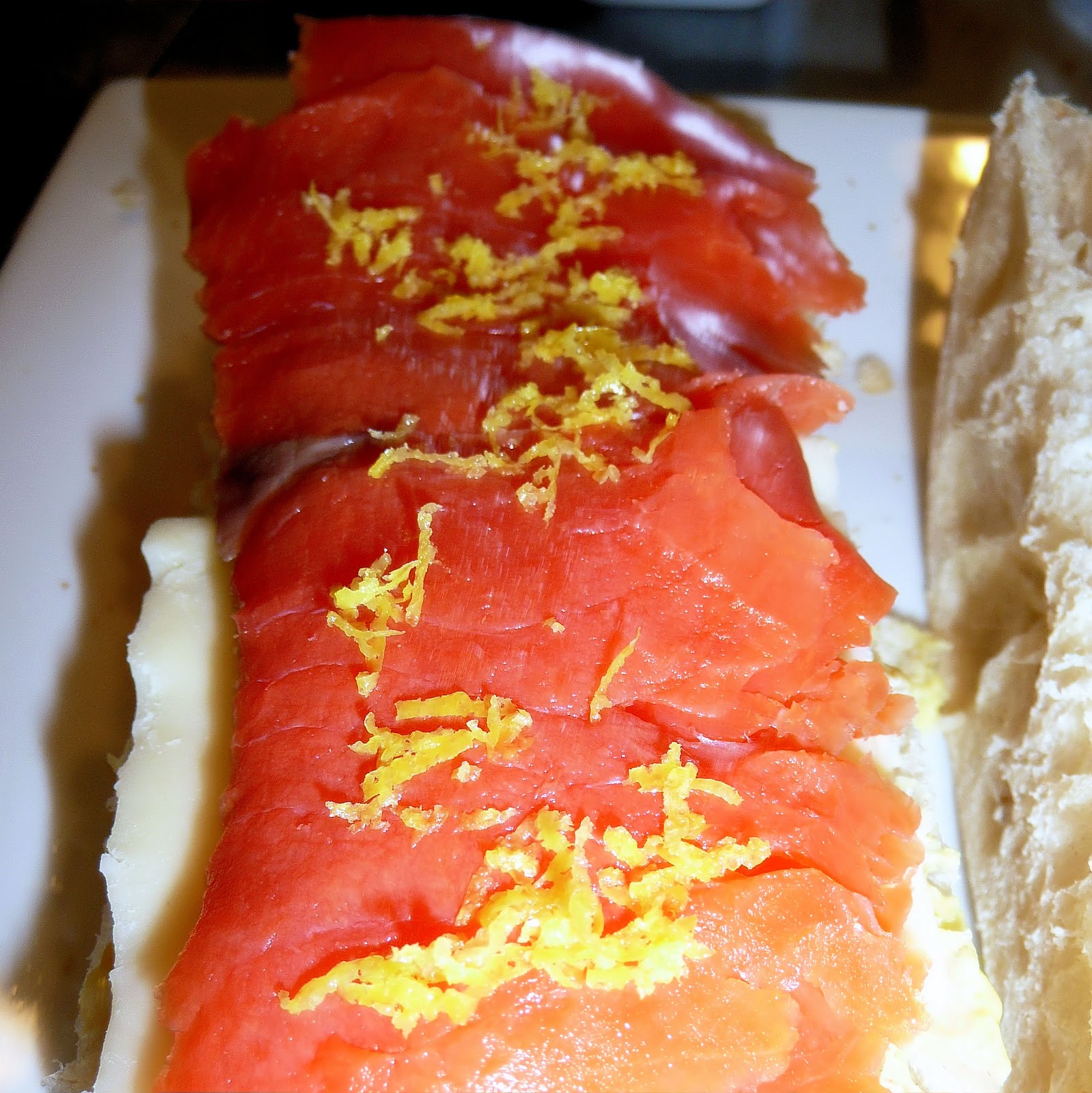
Top with smoked salmon and lemon zest.

Season lightly with salt and pepper and cover with more Gruyere cheese. Top with other piece of bread.

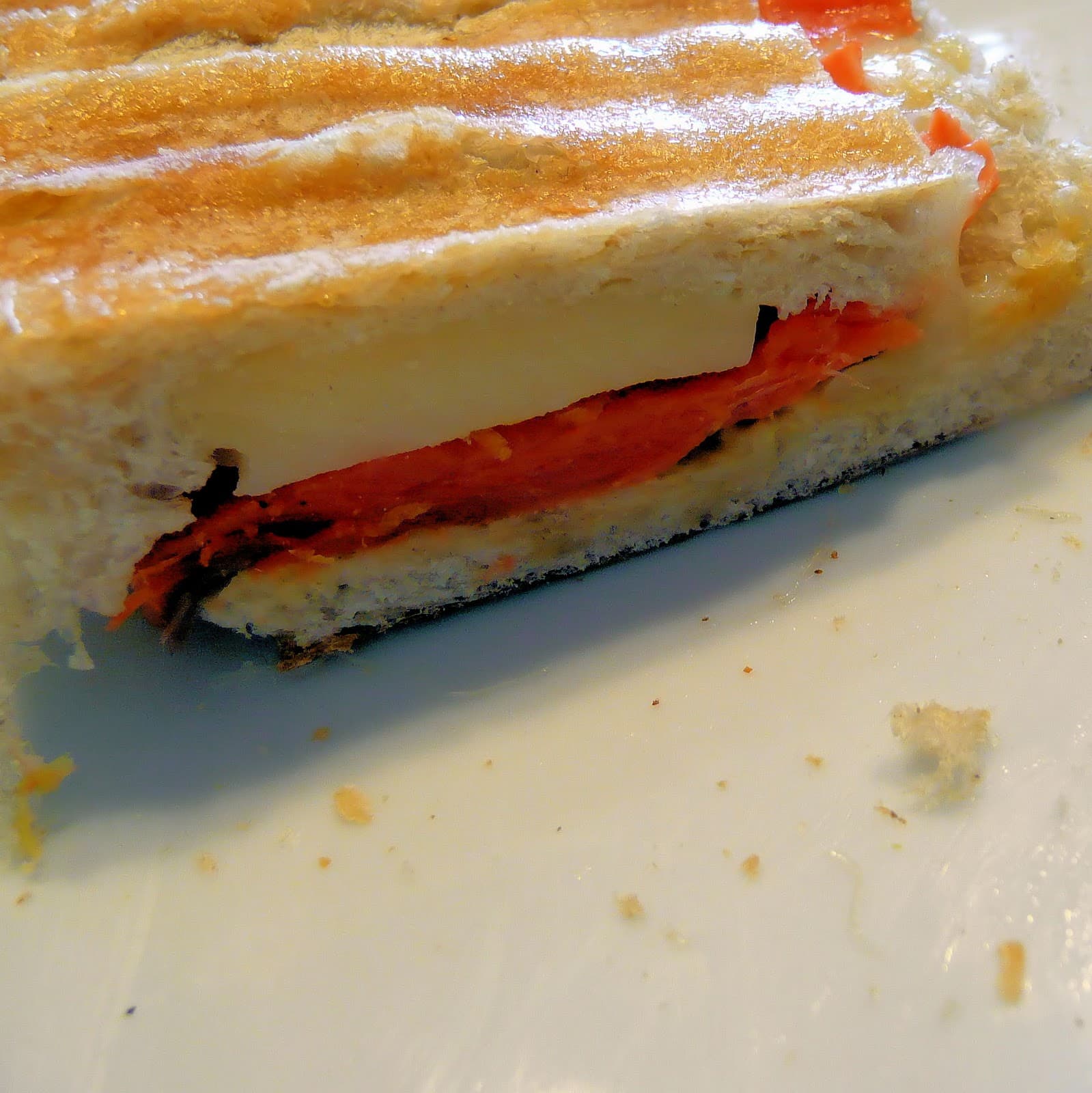
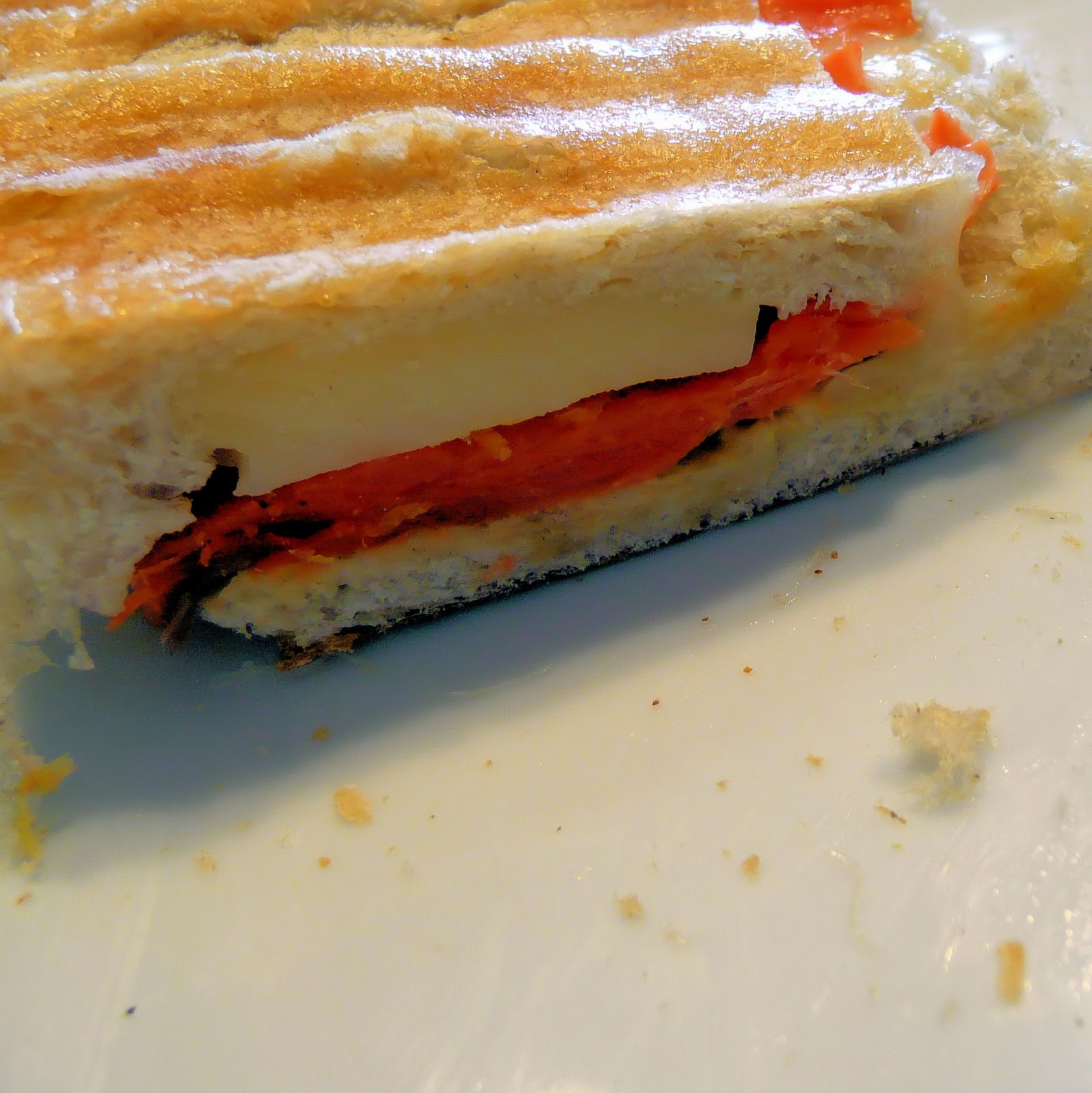
Grill for 2 to 3 minutes until toasted and the cheese is melted.

I was a little wary about the Dijon mustard; I thought it would overwhelm the sandwich. But it added a nice punch of flavor. The lemon zest really enhanced the dish and brightened up the smoked salmon. This could easily be made ahead and popped in the microwave for a few seconds to warm it back up. I’m so glad to have a new alternative to the boring and cold meat and cheese sandwiches usually eaten at lunch!

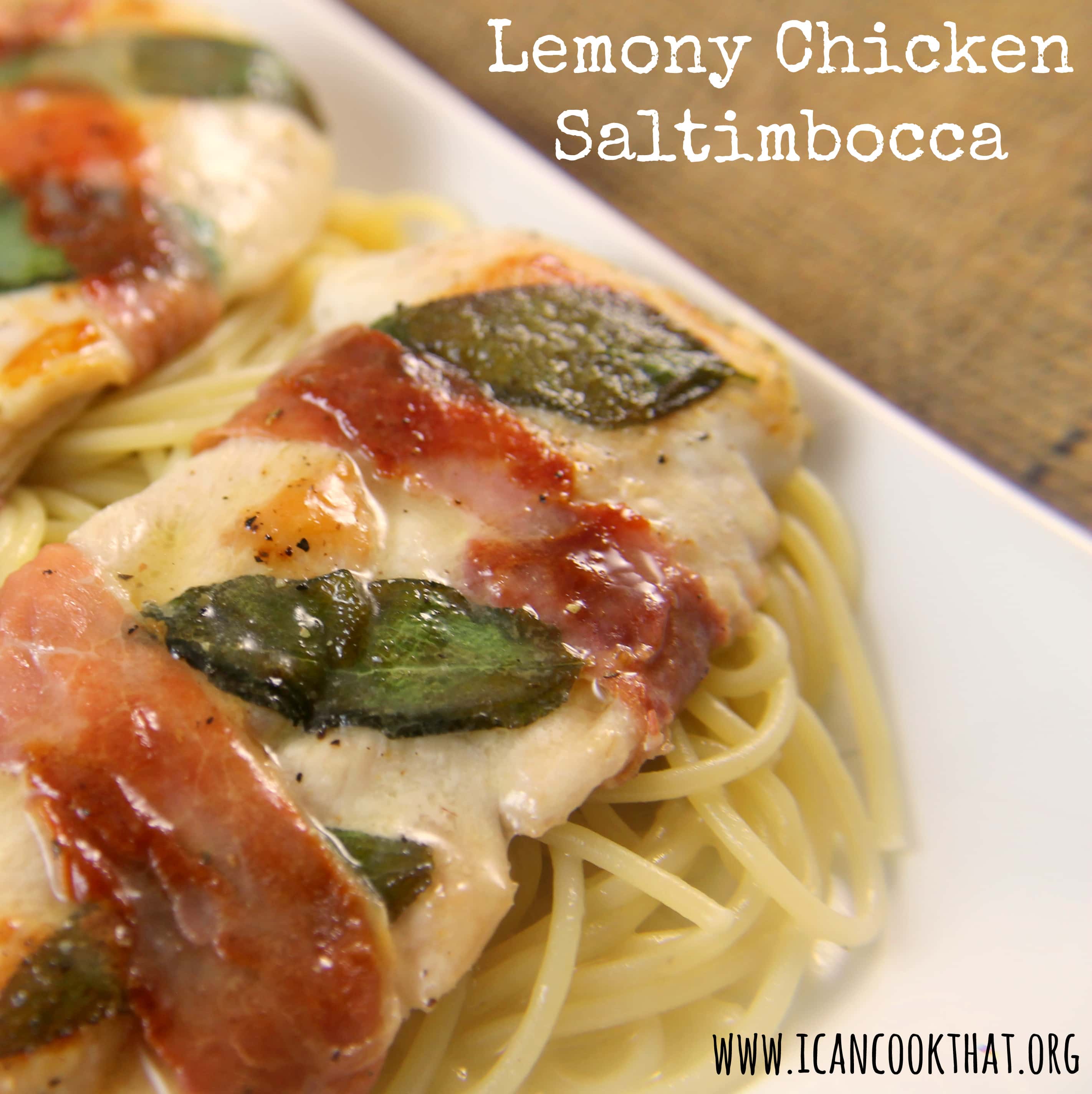
Lemony Chicken Saltimbocca

I have quite the aversion to pig products (pork, ham, pancetta, etc) and my poor boyfriend usually just has to suffer through dinner without these ingredients.  But the January/February issue of Cooking Light had a recipe for Lemony Chicken Saltimbocca that looked delicious, so I decided to finally treat him to a little bit of prosciutto. (I hope he doesn’t get used to this!)

Ingredients:

  • 4  (4-ounce) chicken cutlets
  • 1/8  teaspoon  salt
  • 12  fresh sage leaves
  • Extra dried sage (if you want a bit more sage taste)
  • 2  ounces  very thinly sliced prosciutto, cut into 8 thin strips
  • 4  teaspoons  extra-virgin olive oil, divided
  • 2/3  cup  fat-free, lower-sodium chicken broth
  • 1/2  cup  fresh lemon juice
  • 1 teaspoon  cornstarch
  • 4 oz angel hair pasta 

Chicken Piccata Over Pasta

Chicken Piccata is one of those meals that I always happen to have the ingredients on hand, making this my go-to dish on a “I forgot to go food shopping” night.
Ingredients: (1 serving, multiply as needed)
1 chicken breast
Salt and pepper
All-purpose flour
2 teaspoons paprika
2 teaspoons dried parsley
1 teaspoon garlic powder
1 teaspoon onion powder
4 tablespoons unsalted butter
3 tablespoons olive oil
1 lemon
¾ cup chicken stock
¼ cup white wine
¼ cup brined capers (optional)
Fresh parsley (optional)
1/2 cup pasta (I used lemon-pepper pappardelle)
Preheat oven to 350 degrees. Cook pasta according to directions. Set aside.
Heat 3 tablespoons olive oil over medium high heat. While it heats up, combine a small amount of flour (maybe 1/4 cup), paprika, parsley, garlic powder, and onion powder in a shallow dish. Season chicken with salt and pepper and dredge chicken in flour. Shake off excess flour mixture. Reserve the extra flour mixture for later use.
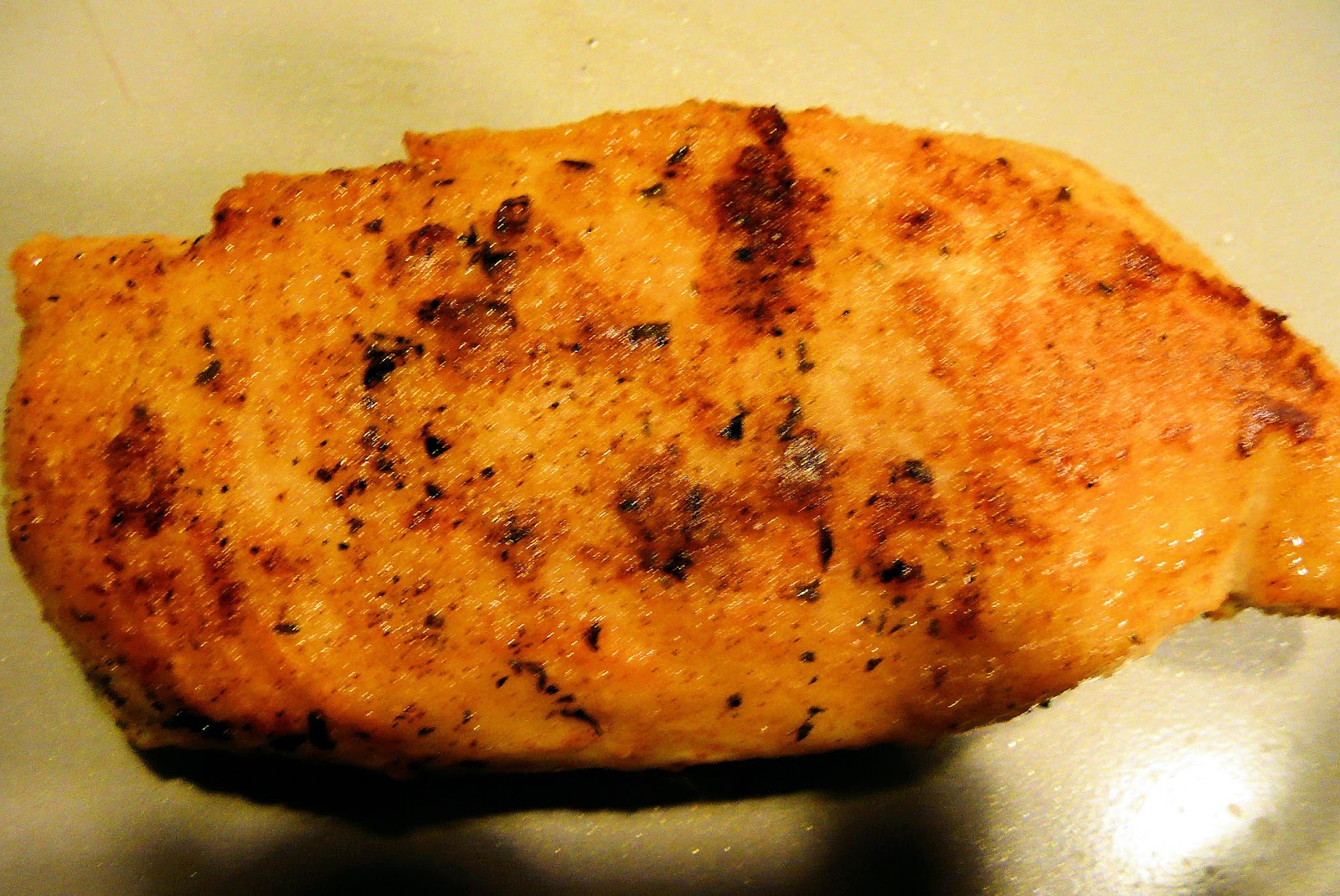
Add chicken to the heated saute pan. Cook for 3 minutes until browned. Flip and cook for 3 more minutes on the other side. Remove from pan and place in a bake safe dish (you want to use the saute pan to make the sauce). Place chicken in the oven and cook for 15 minutes.
finished chicken
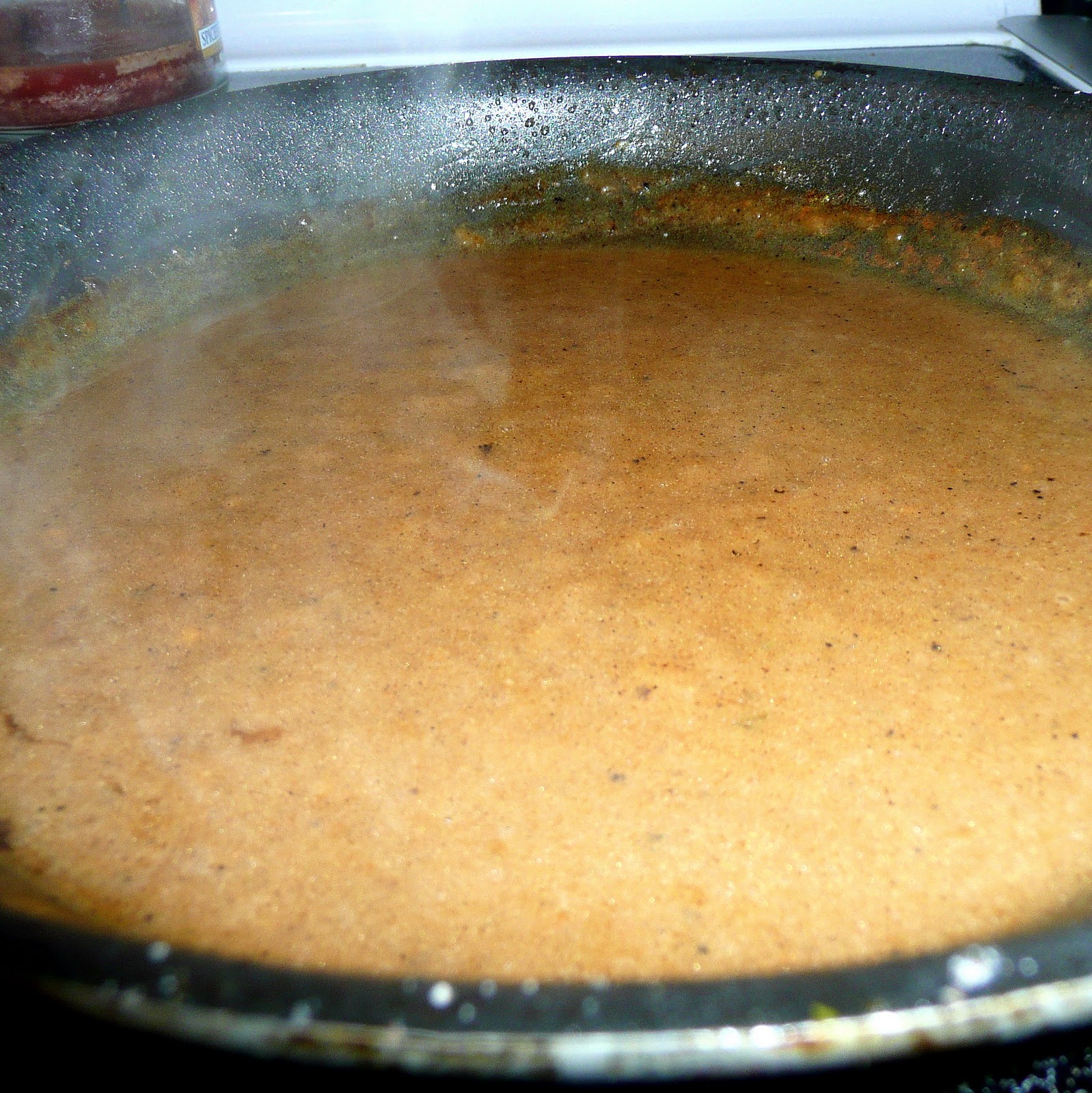
In the original saute pan, add chicken stock. Before juicing the lemon, use some zest from it and add it to the stock– I used a grater. (Be careful to not to down to the white part inside, that is very bitter). Add lemon juice, and capers (if you’d like) and stir, scraping up the brown bits from the chicken. Bring to a boil. Add white wine and again bring to a boil. Add butter one tablespoon at a time, stirring constantly. Reduce heat. While constantly stirring with a whisk, sprinkle flour into the sauce little by little until thickened to your liking.
thickened sauce
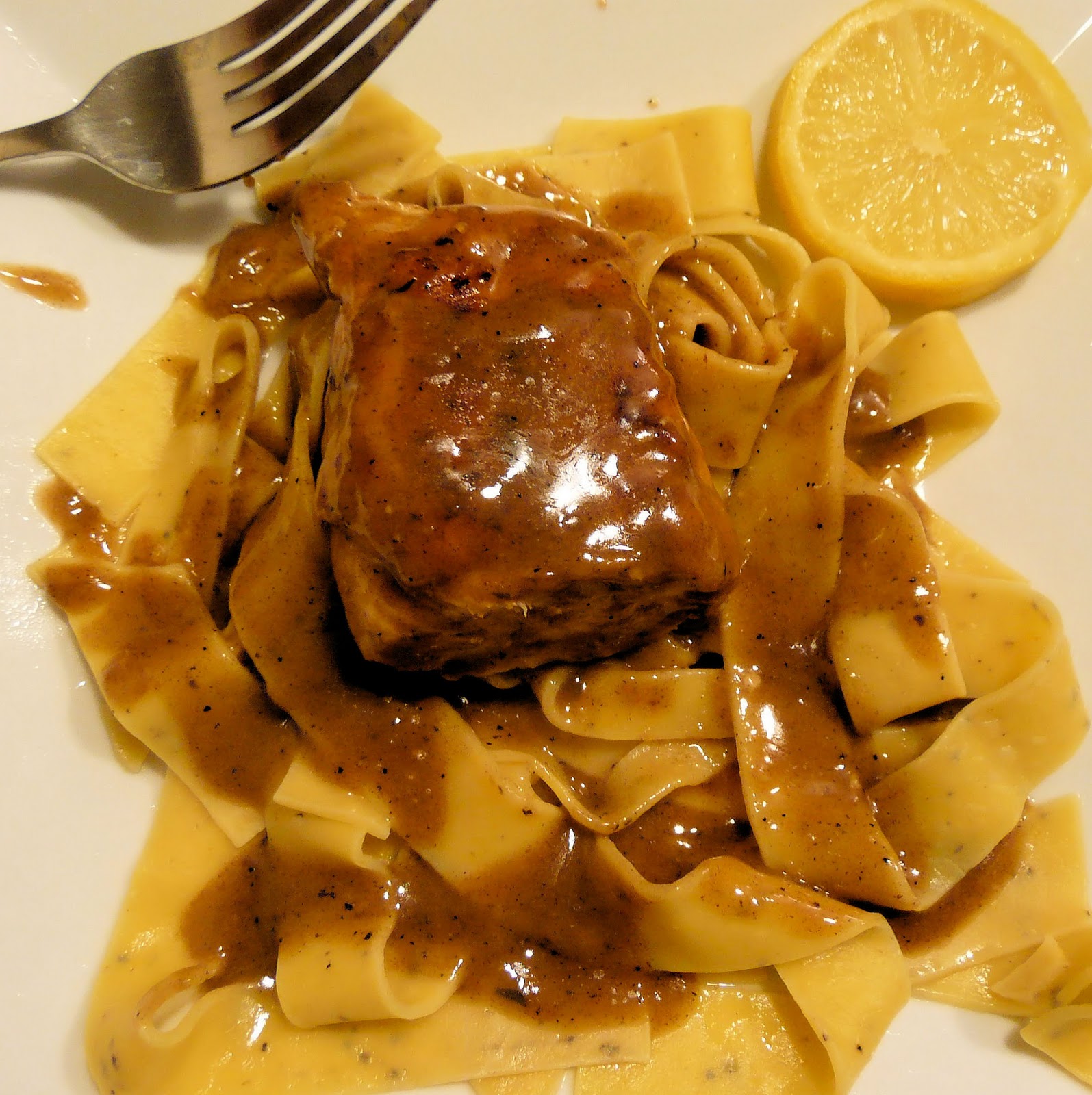
To assemble dish, pour sauce over pasta and chicken. Garnish with fresh parsley and lemon if preferred.
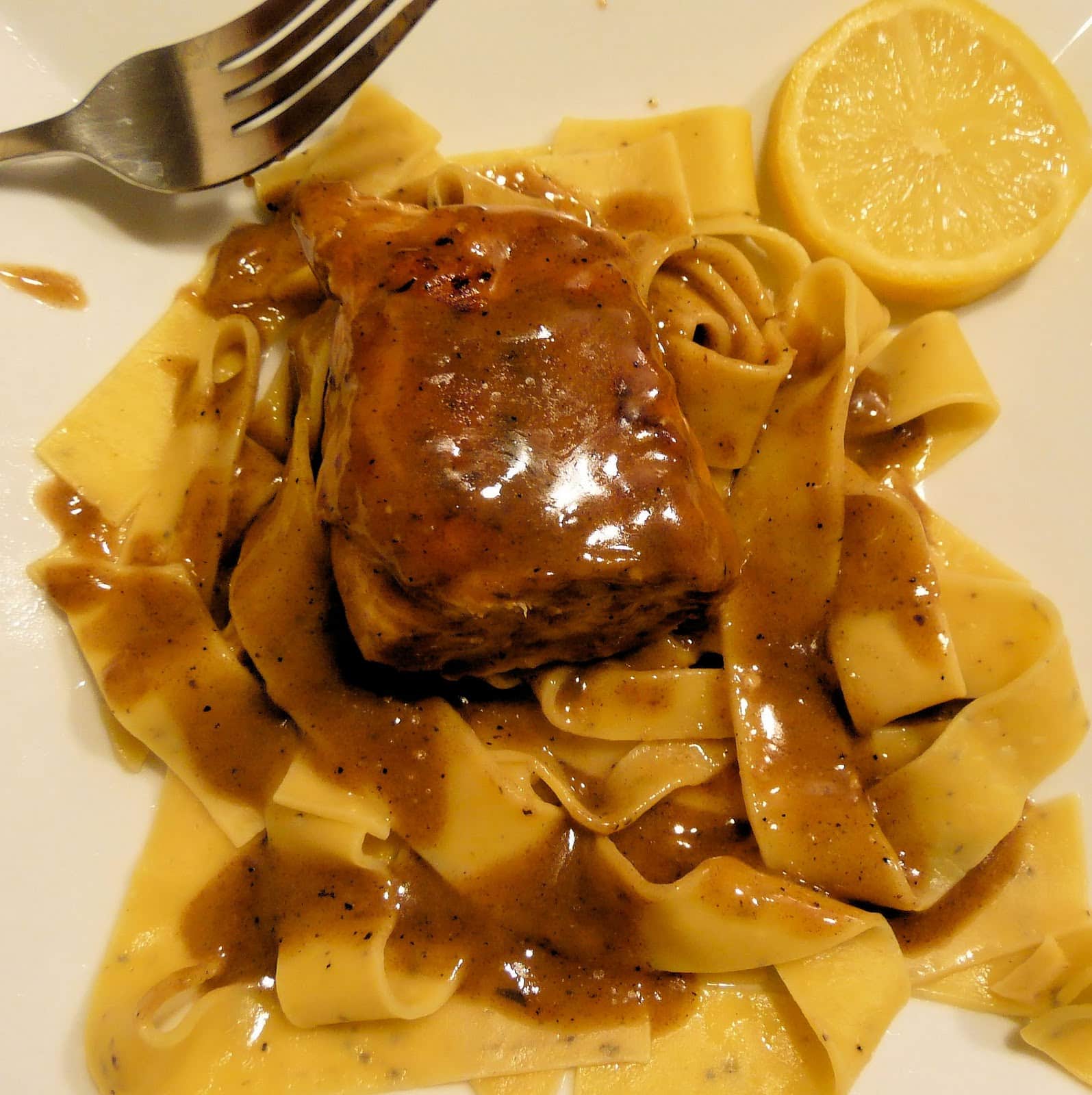
finished dish
So I have no clue how/why the sauce turned brown. BUT it was amazing. The lemon zest enhances the lemon juice without being too sour. I admit, this isn’t a pretty dish at all, so I don’t think it is exactly one to make for company. But it sure did make my stomach happy after a long Monday. Enjoy!


Almond Chive Salmon

Everyone knows how amazing salmon is for you: lots of protein, omega-3 fatty acids, vitamin D… so whenever I can, I try to make some. Salmon with butter and lemon is delicious and quick, but all that butter seems to outweigh the health benefits of the fish (at least in my mind). I’ve tried to alternate that with this Almond Chive Salmon.
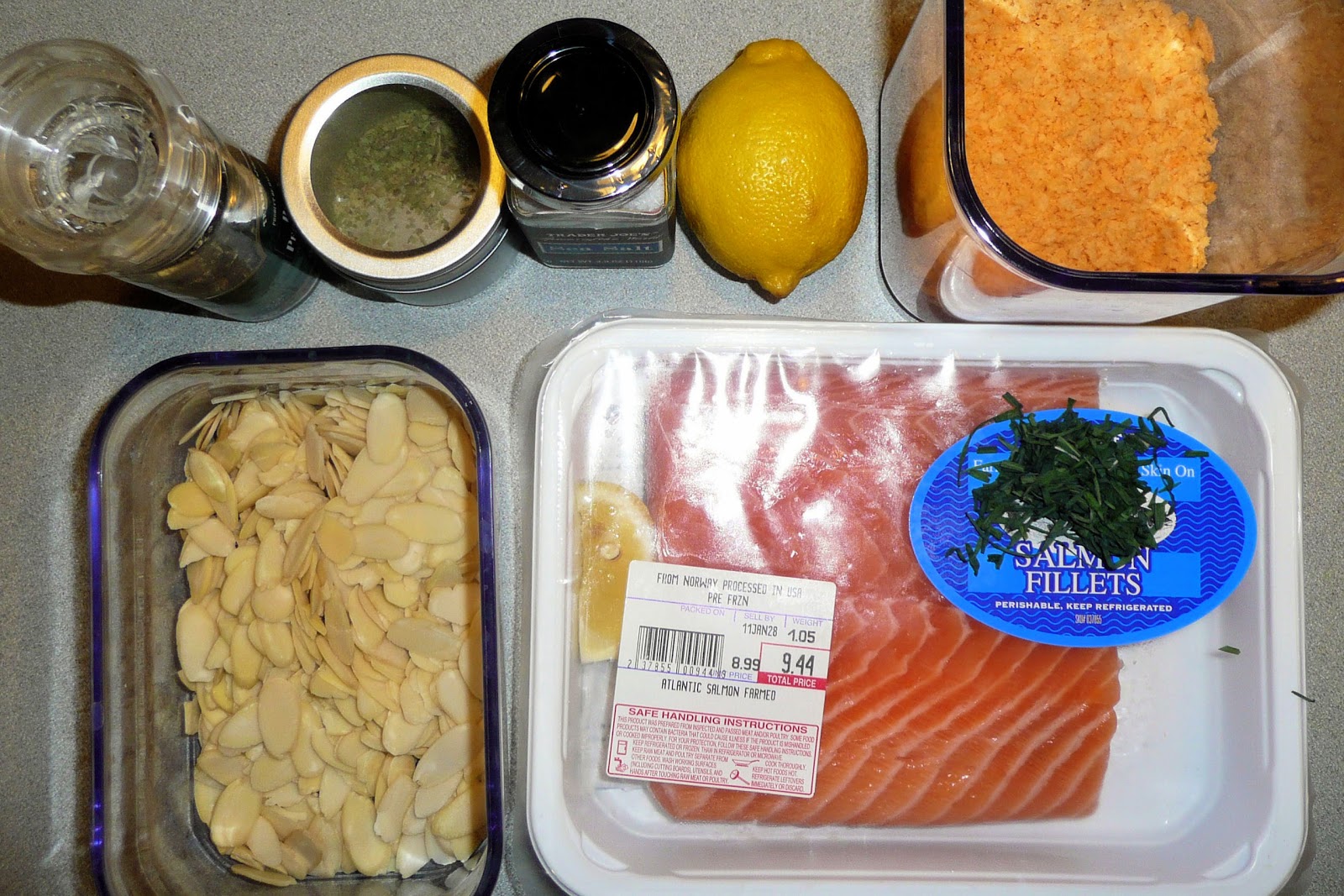
Ingredients:
1/4  cup  sliced almonds
2  tablespoons  chopped fresh chives
1  tablespoon  chopped fresh parsley (or 1 teaspoon dried parsley)
1/2  teaspoon  grated lemon rind
4 tablespoons panko (breadcrumbs)
1/2  teaspoon  salt, divided
1 pound salmon fillet
1/4  teaspoon  freshly ground black pepper
Cooking spray
2  lemon wedges
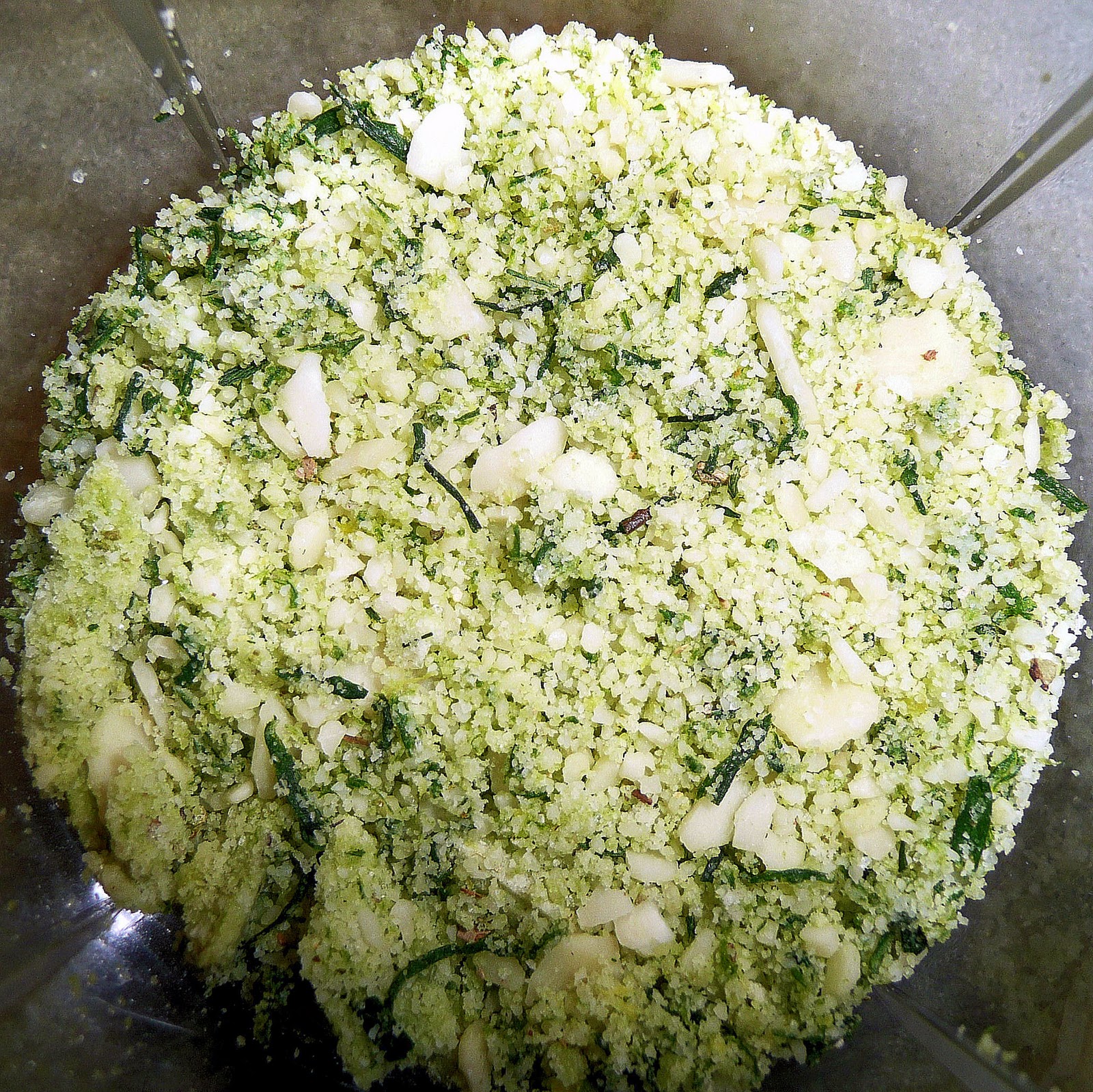
Preheat your oven to 400 degrees. Combine the almonds, chives, parsley, and lemon plus 1/4 teaspoon salt in a food processor (I use my Magic Bullet). Pulse until finely chopped.
Add the panko to this mixture, stir to combine.
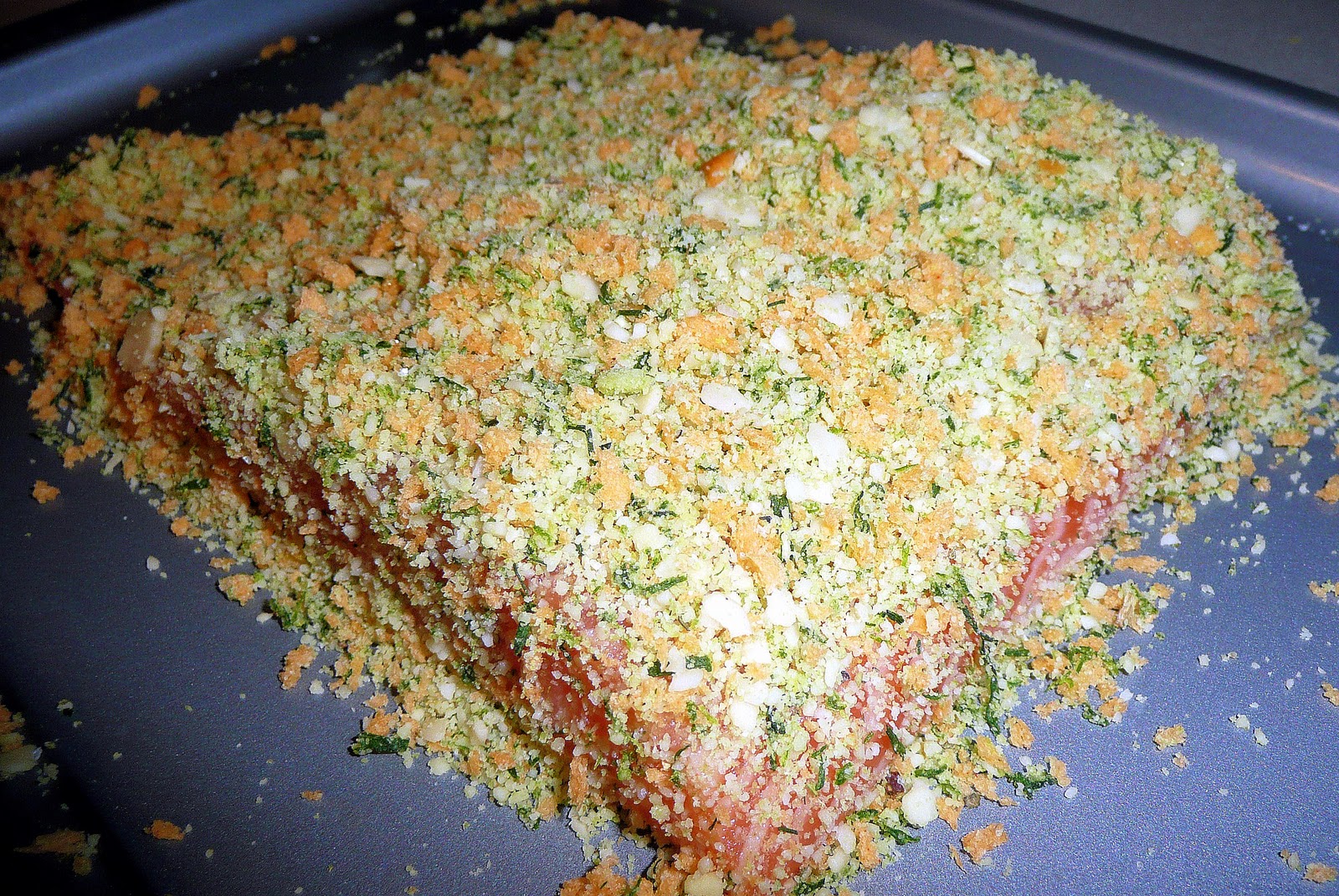
Sprinkle the salmon with the remaining 1/4 teaspoon salt and 1/4 teaspoon pepper. Sprinkle the panko mixture over the salmon evenly, pressing to make it stick. Place salmon on a baking sheet coated with cooking spray.
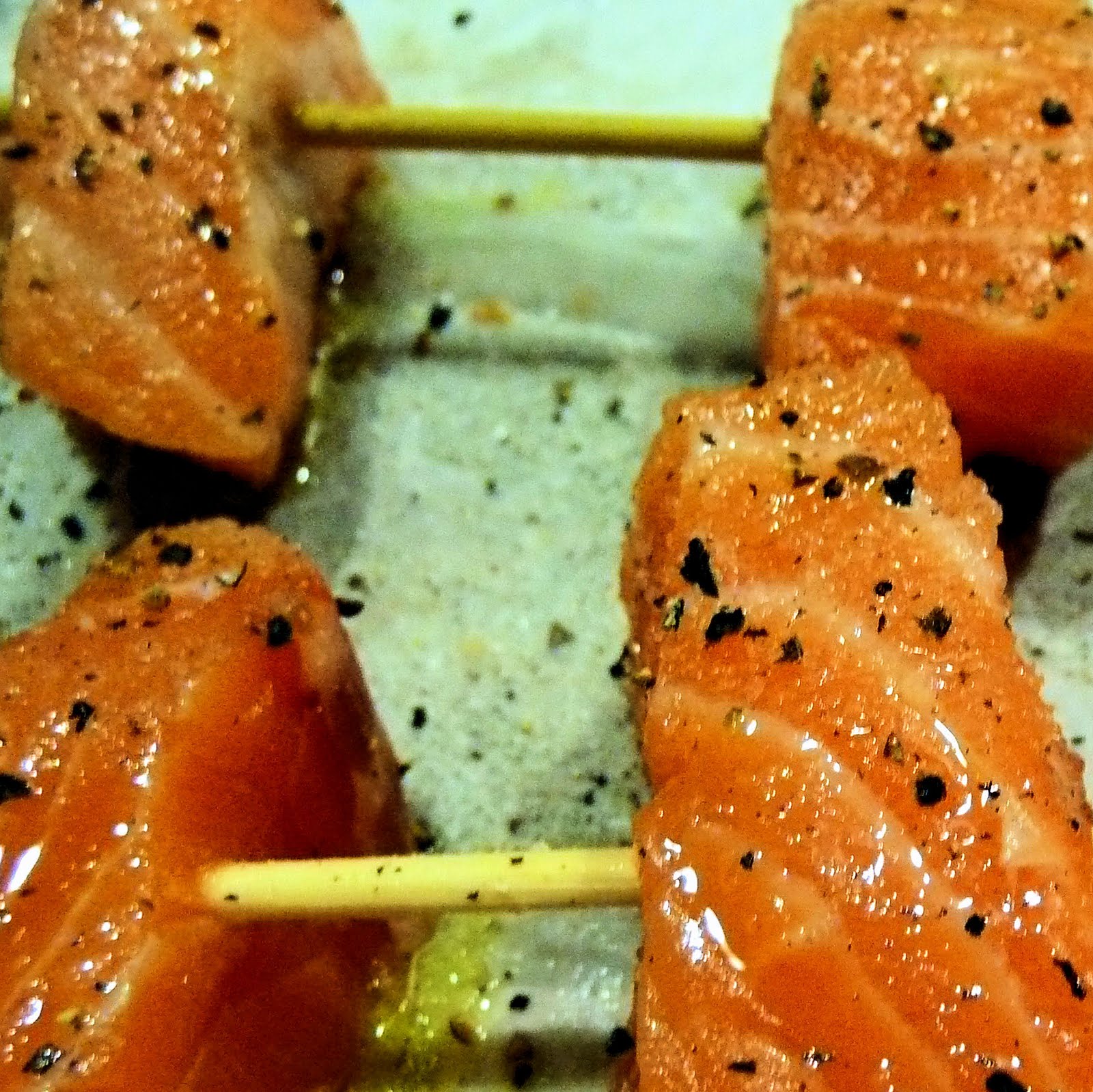
I put A LOT on mine; use as much/little as you’d like
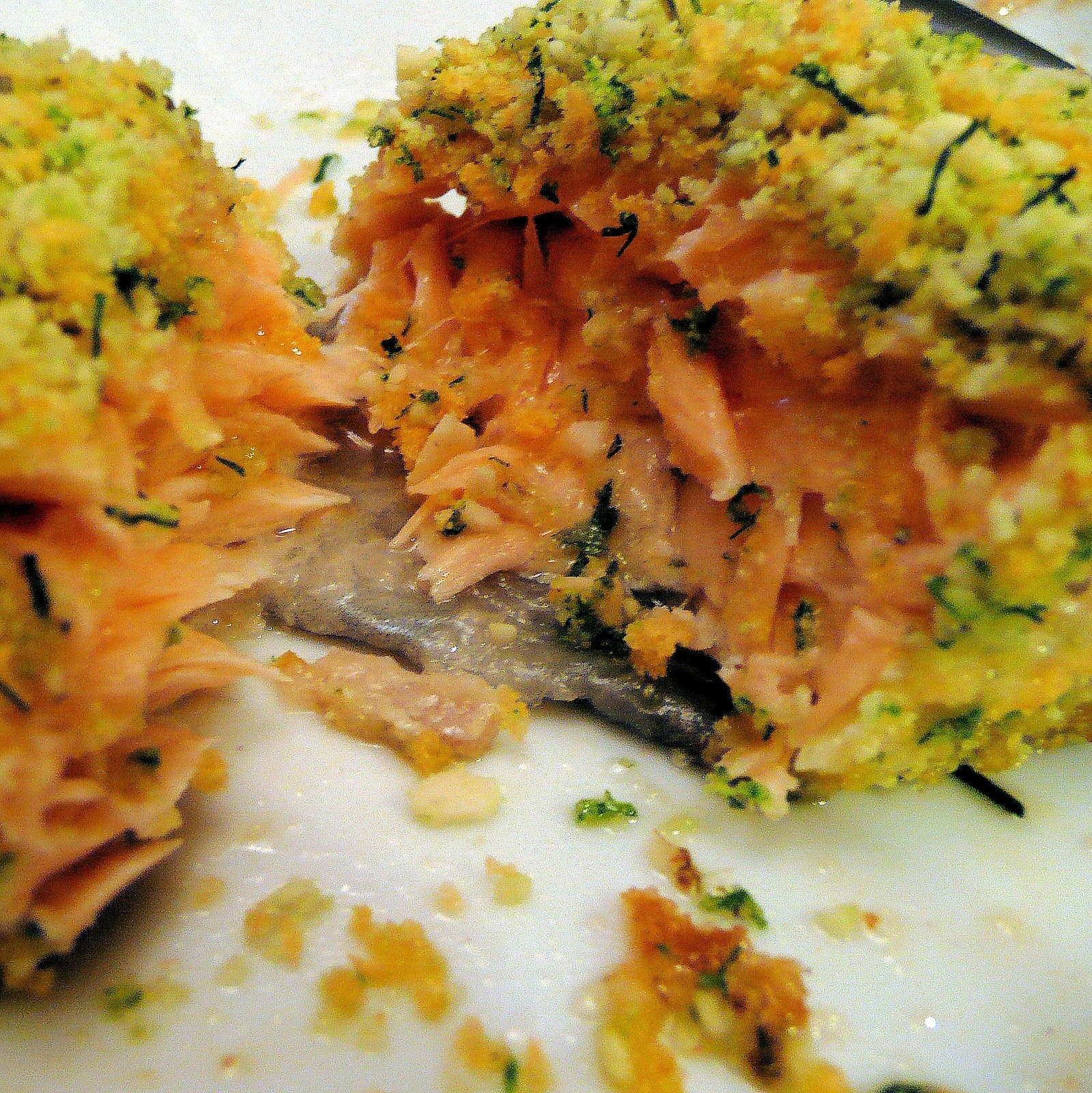
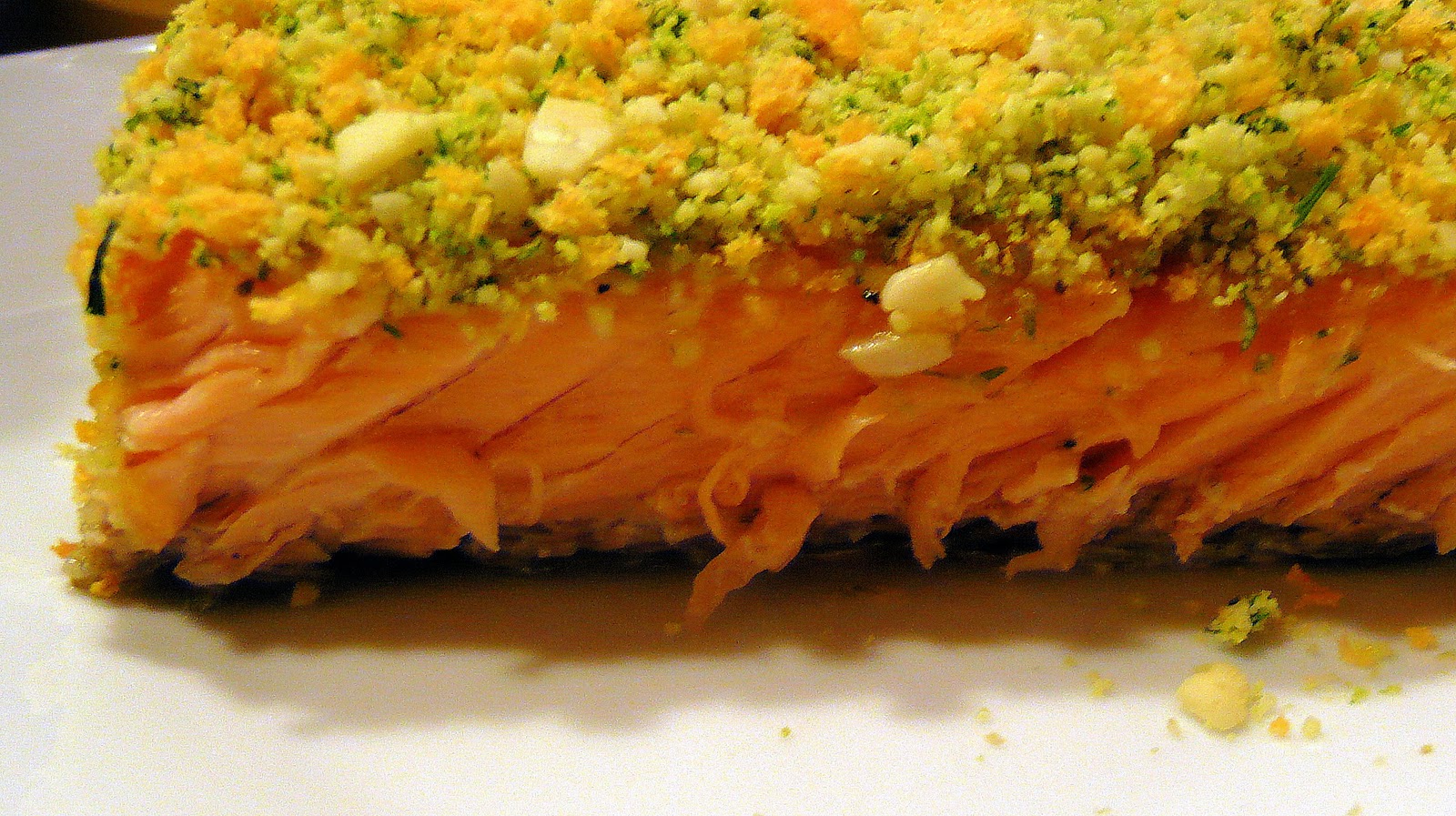
Bake for 15 minutes or until is flakes easily. Serve with lemon wedges.
This is one of my go-to recipes: beautiful, quick, flavorful. It’s also a great introduction to fish:.The almonds and spices make it a bit less “fishy” to those who aren’t fans of seafood.

Chicken and Asparagus with Melted Gruyere

Trying to eat something other than pasta, but still craving a decadent comfort food dish, I found this recipe for Chicken & Asparagus with Melted Gruyère cheese.

Ingredients:
4 ounces asparagus
1/3 cup chicken broth
2 tablespoons plus 1 tablespoon flour, divided
2 boneless skinless chicken breasts
Salt, to taste
1/4 teaspoon pepper
1 tablespoon canola oil
1 shallot, thinly sliced
1/2 cup white wine
1/3 cup reduced-fat sour cream
1 tablespoon chopped fresh tarragon (or 1 teaspoon dried)
2 teaspoons lemon juice
2/3 cup shredded Gruyère cheese

To steam the asparagus, place asparagus in a steamer basket over 1 inch of boiling water. Cover and steam for 3 minutes. Remove asparagus and set aside.

Whisk broth and 1 teaspoon flour in a small bowl until smooth. Set aside.
Place the remaining flour in a shallow dish. Sprinkle chicken with salt and pepper and dredge both sides in the flour, shaking off excess flour.
Heat oil in a sautee pan over medium heat. Add chicken and cook for 3 to 4 minutes per side. The chicken should have a nice brown sear on it, but the heat may need to be adjusted to prevent burning. Remove from heat and cover to keep warm.
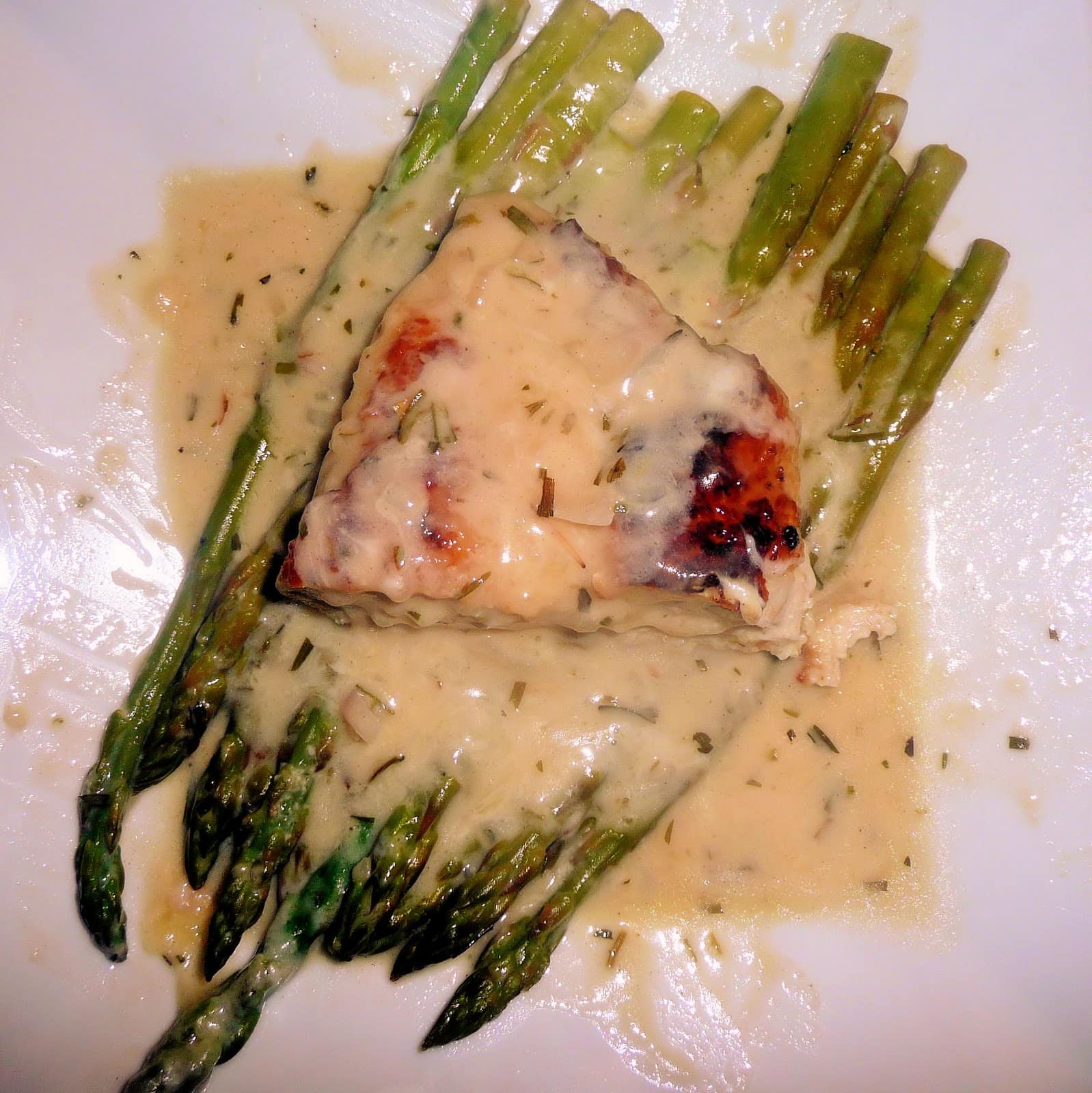
Add shallot, wine and the reserved broth mixture to the pan. Cook over medium heat, until thickened (about 2 minutes) stirring constantly. Reduce heat to medium-low. Stir in sour cream, tarragon, lemon juice and the reserved asparagus until combined. Return the chicken to the pan and coat with the sauce. Add cheese on top of each piece of chicken, cover and continue cooking until the cheese is melted (about 2 minutes).
 Return the chicken to the pan and coat with the sauce. Add cheese on top of each piece of chicken, cover and continue cooking until the cheese is melted (about 2 minutes).
Finished Dish
Yum. I really liked this meal. The sauce was rich and creamy, I didn’t even miss the lack of starch. This is definitely a meal that would be good for guests; it looks much more difficult than it actually is. If you can, try to get fresh tarragon, it really brightens the dish!
Exit mobile version