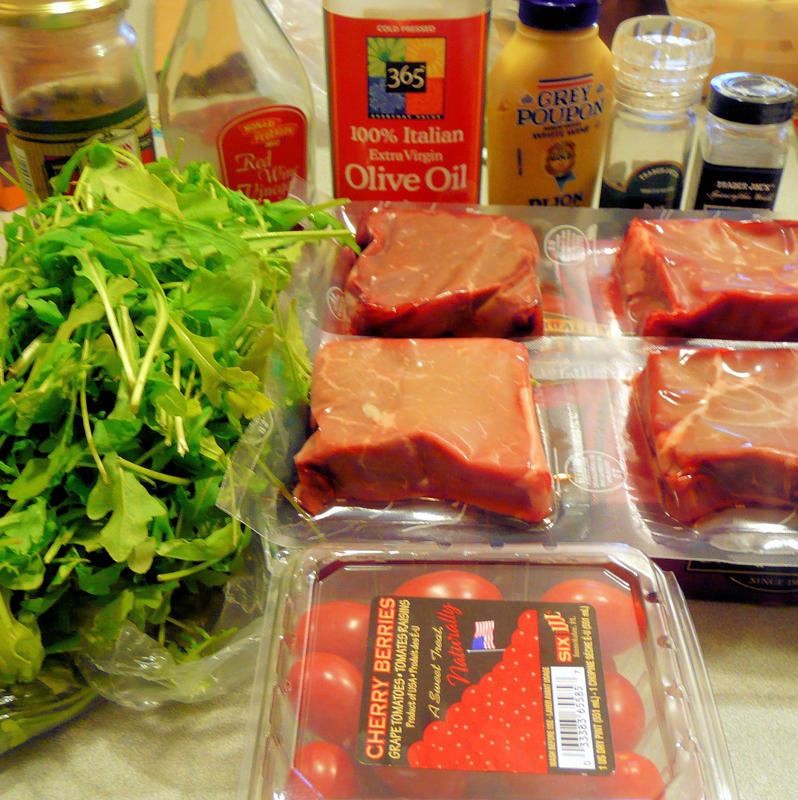
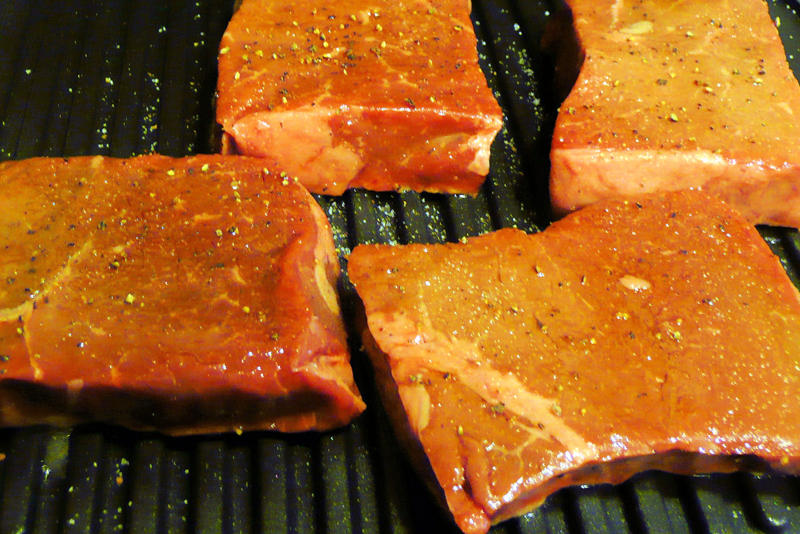
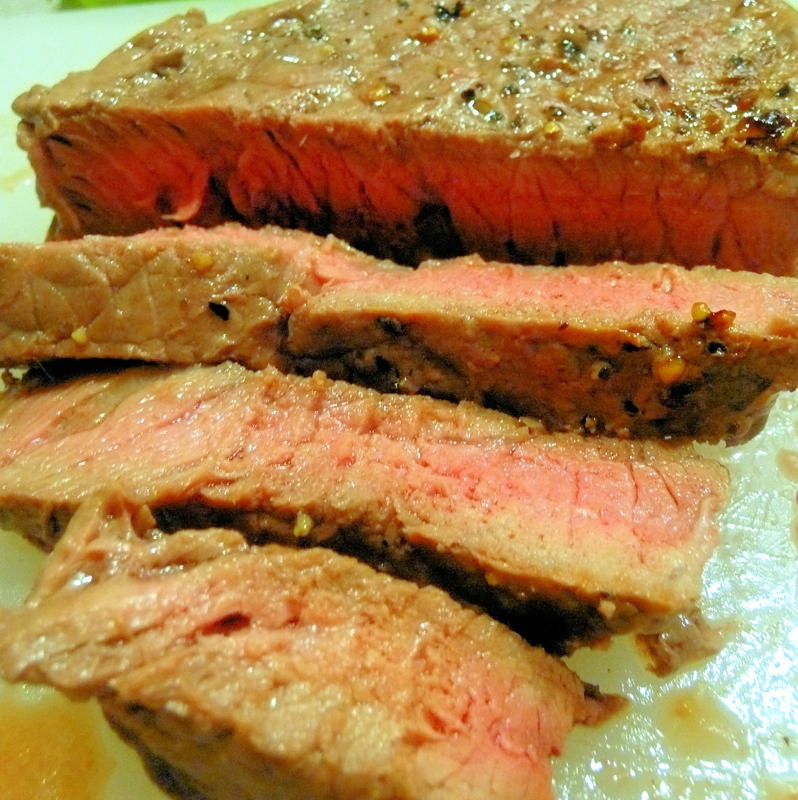
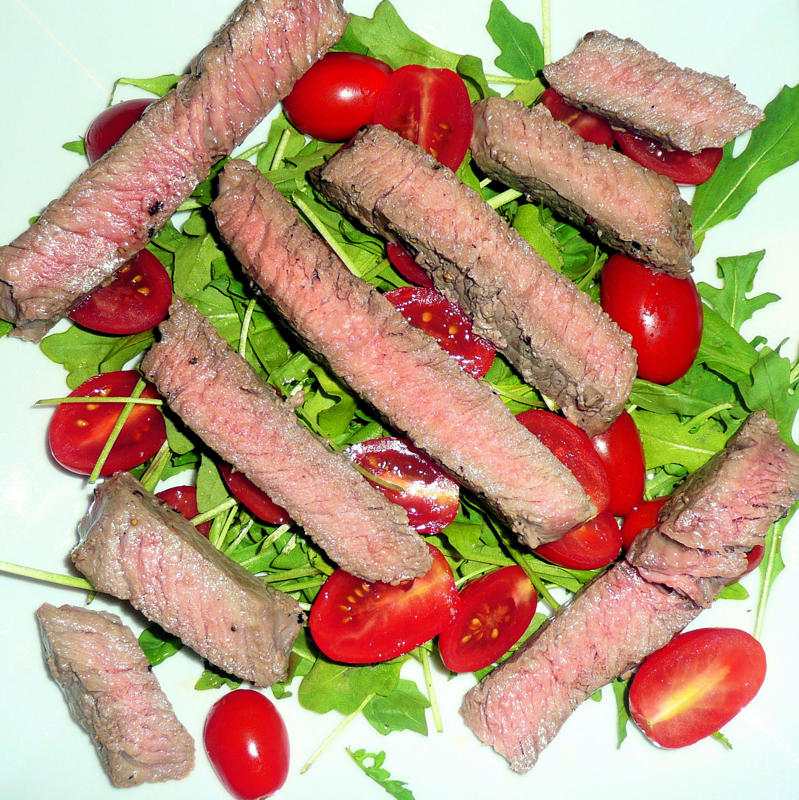
Broiled Tenderloin Steaks with Ginger-Hoisin Glaze

There were a couple of parts to this recipe that made me nervous to try it out: working with fresh ginger and using the broiler. The latter ended up being the more difficult part, but that was due to my all-encompassing fear of burning the beef tenderloin steaks. Overall though, this dish was a lot easier than I made it out to be. I followed this recipe almost exactly, but the original is linked here.
Ingredients:
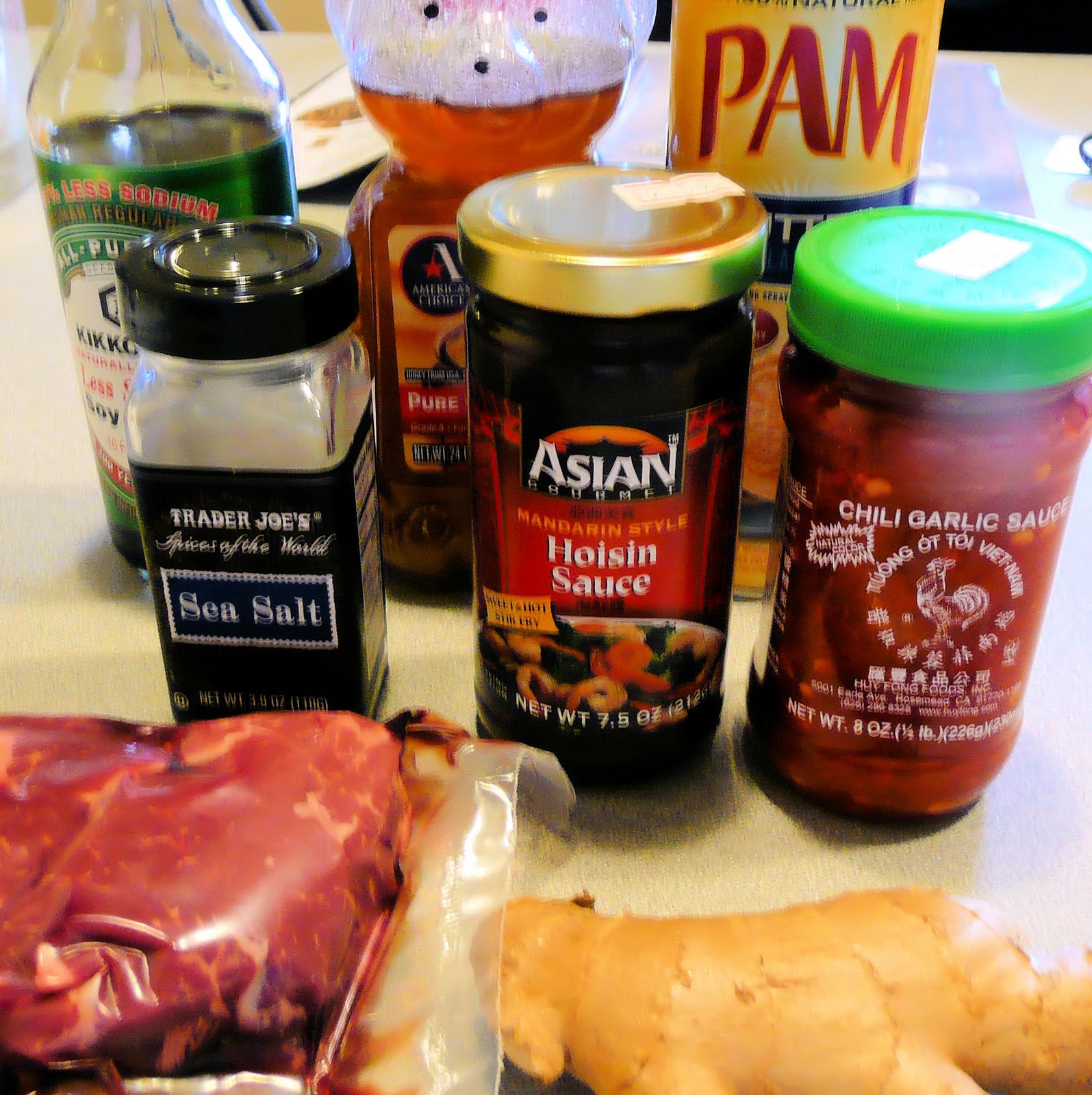
1 1/2  tablespoons  hoisin sauce
1 1/2  teaspoons  grated peeled fresh ginger
1 1/2  teaspoons  honey
1 1/2  teaspoons  lower-sodium soy sauce (or coconut aminos to make gluten free
1/4  teaspoon  chili garlic sauce (such as Lee Kum Kee or Huey Fong)
3  (4-ounce) beef tenderloin steaks, trimmed (1 inch thick)
Cooking spray
1/8  teaspoon  salt

Hoisin sauce and the chili garlic sauce can be found in the Asian section of your grocery store. Getting to a supermarket for me is kind of a pain but I was able to find the sauce in my corner store.
Before doing anything, preheat your broiler to high. If you’re like me and have zero clue what the broiler even is, chances are it’s within your oven and you just need to press the “broil” setting. Be sure to remove everything from the oven before turning it on.
Broiling is basically the opposite of grilling—the heat source is coming from above instead of below. Because the heat is so high, really keep an eye on anything you are broiling; it can burn very very quickly. Also be sure to have an oven mitt that can withstand high temperatures. The broiler may cause some smoke so be sure to turn your exhaust fan on during cooking. Ok, time to actually start cooking…
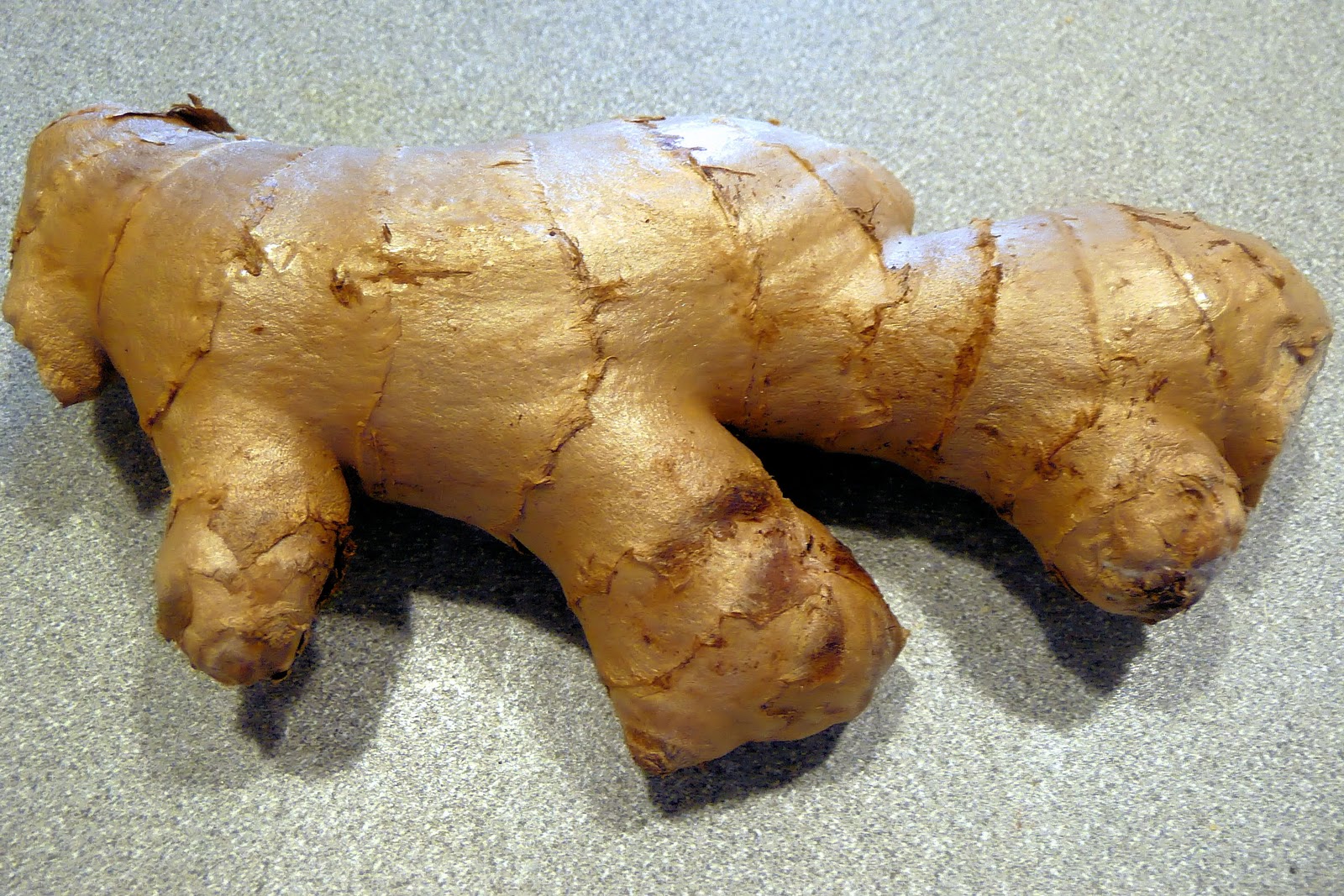
Ginger root is much easier to work with than I imagined. It looks so intimidating but I’m glad to have this ingredient on hand—it can be used to treat nausea and is also known to have anti-inflammatory properties. The root can be wrapped in plastic and refrigerated or frozen for long term use.
Boo! …See? Very intimidating
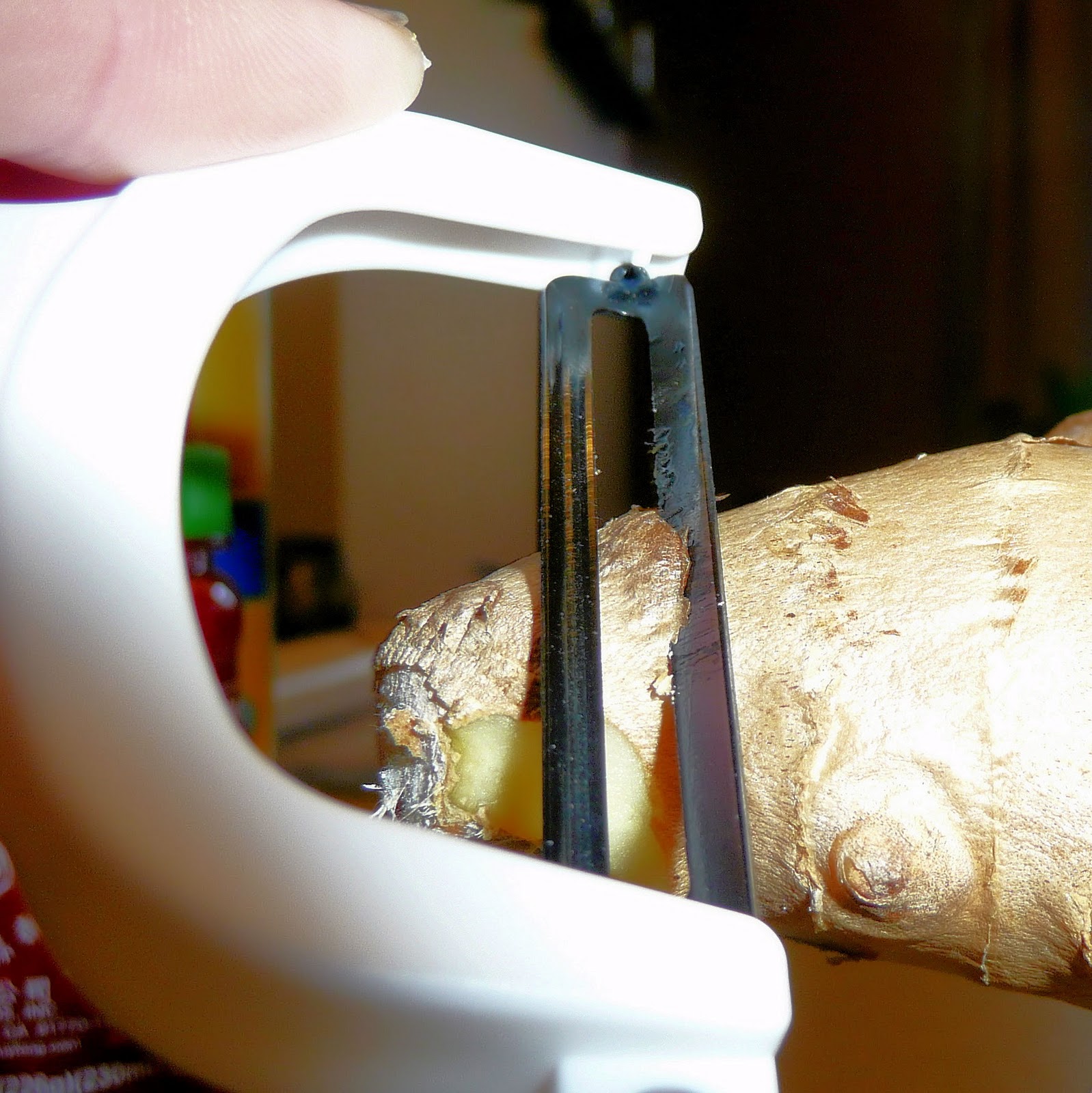
To work with ginger root, use a peeler to peel off the bark-like outer layer for the area you’ll be using. You will begin to smell ginger almost immediately. Yum.
Cut the peeled area off. You can either mince the ginger root with a knife or use a grater. As a warning, the root has a lot of juice to it and can get a bit slippery so be careful of your fingers. I may or may not have lost a piece of ginger when it slipped out of my hands and few across my kitchen. Whoops.
Fresh Grated Ginger
To prepare the hoisin glaze, combine the hoisin sauce, ginger, honey, soy sauce and chili garlic sauce in a small bowl using a whisk to combine. Set this aside.
Hoisin Glaze
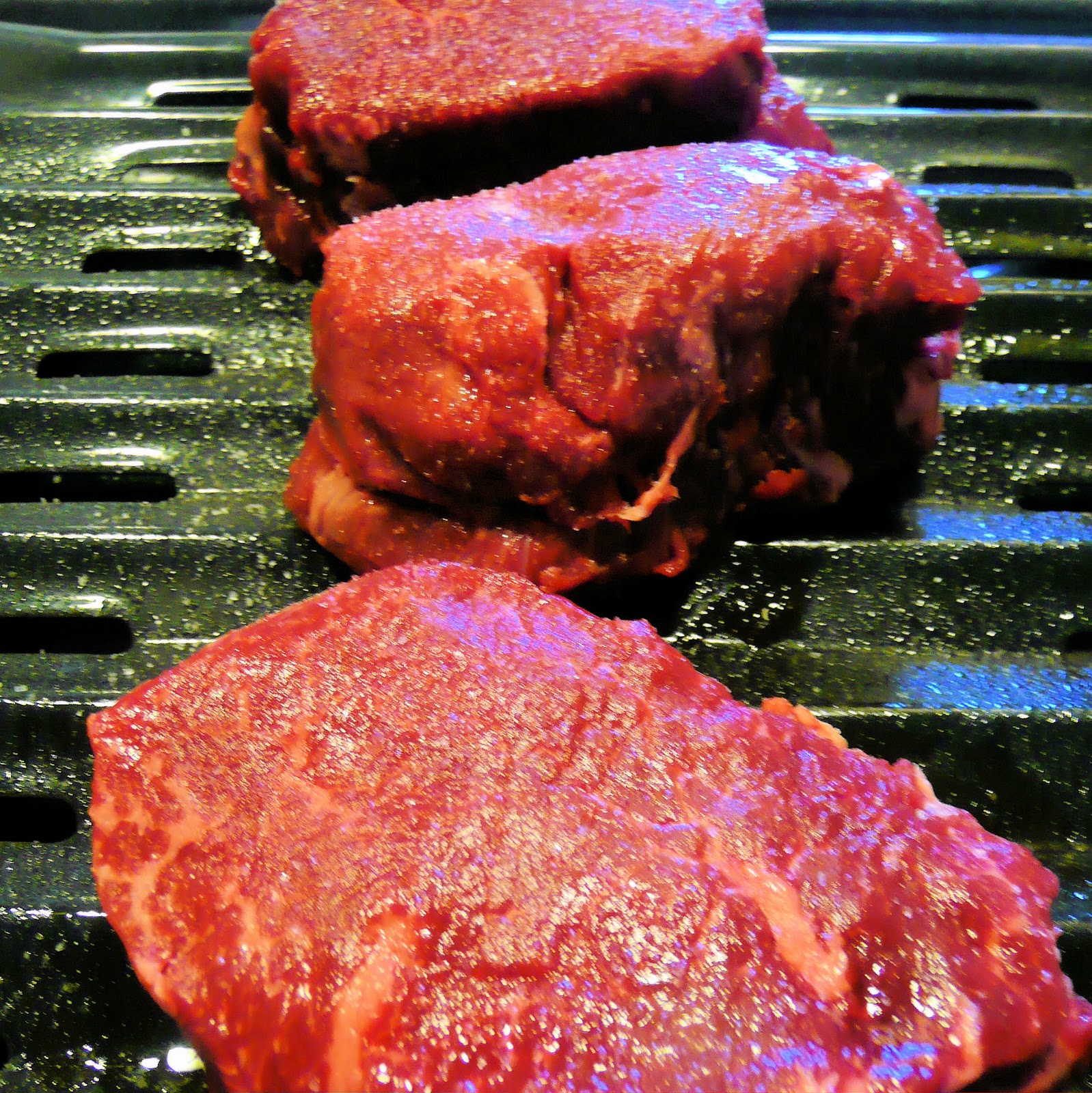
The original recipe suggested putting the steaks on a foil-lined broiler pan. I somehow ran out of foil, so I just put them on a broiler pan coated with cooking spray but for cleaning purposes, I’d suggest using the foil. Sprinkle the steaks with salt.
Place the pan into the oven 5 inches from the heat (so 5 inches from the top of the oven… probably around the middle rack). Cook for 2 minutes and turn over. Broil for another 2 minutes and turn steaks over again.
Not that appetizing yet. Just wait…
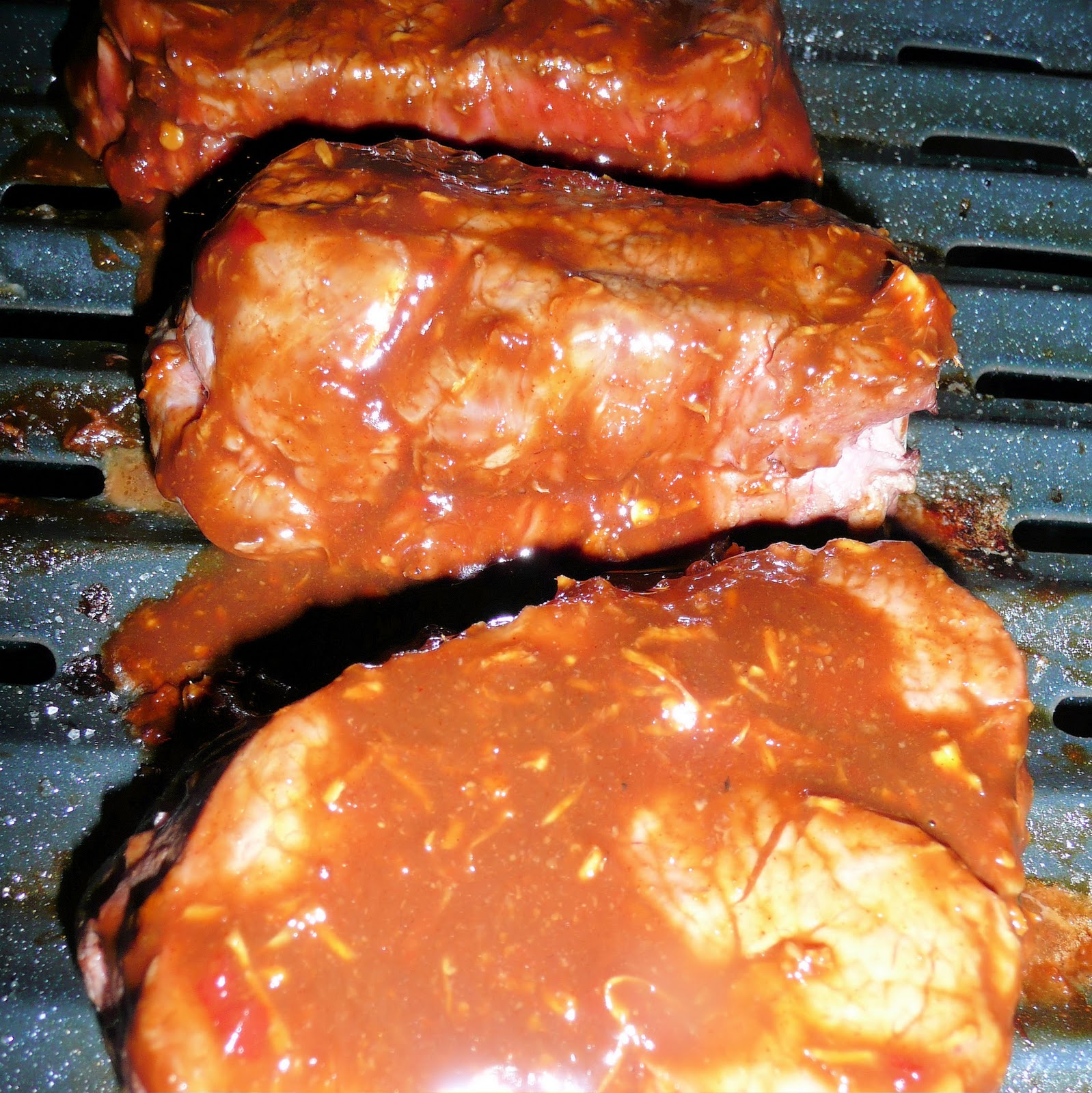
Brush steaks with half of the glaze and broil for one minute.
Looking better…
Turn the steaks over and brush with the remaining glaze and broil for 2 minutes or until desired degree of doneness.
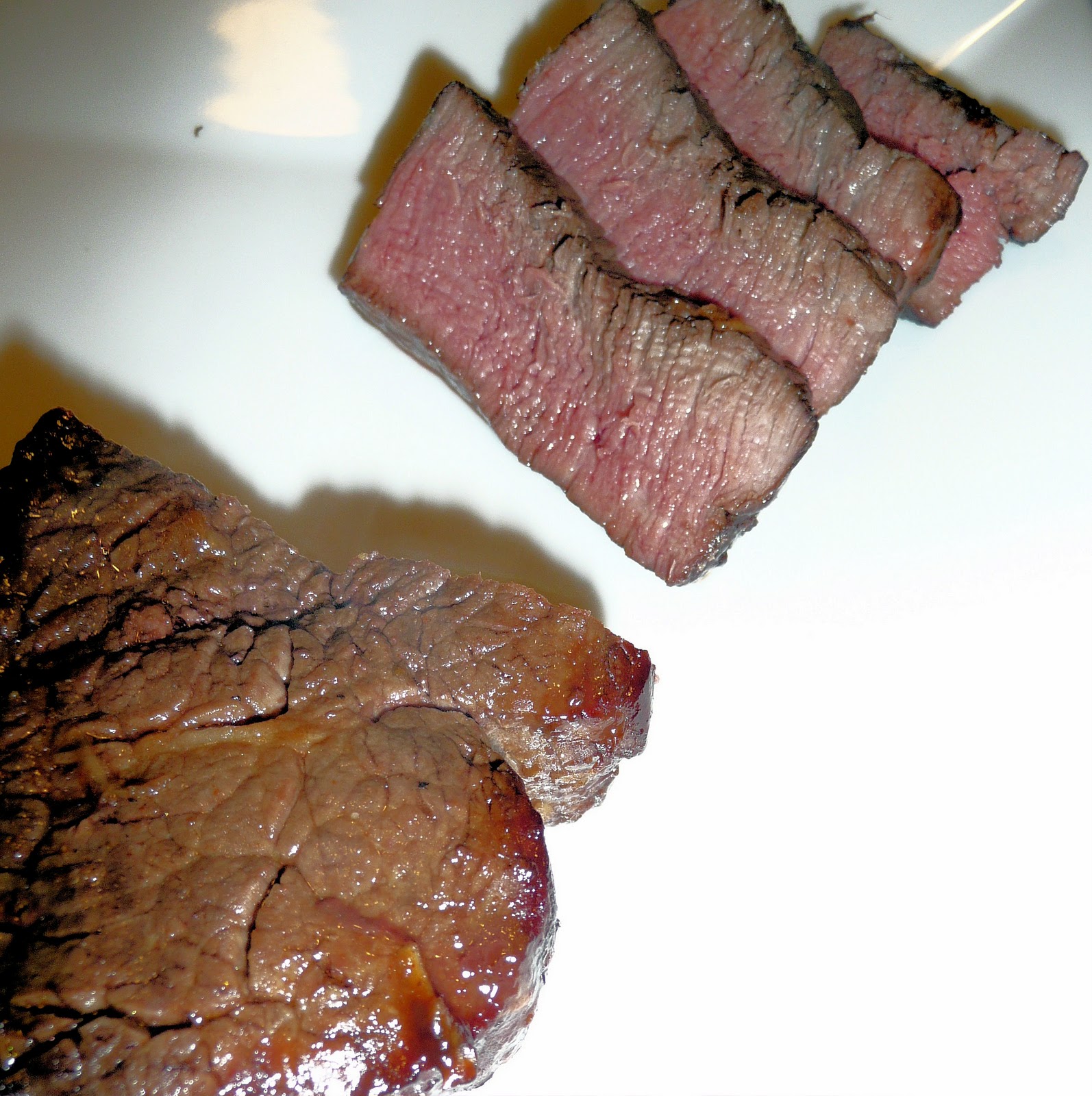
So, I ended up putting mine in for a good 5ish more minutes, turning the steaks half way through. They came out a bit too rare for me with the original time suggested, but I think this is really up to the person cooking it. I was so fearful that it was going to burn that every 2 minutes I was checking on the steaks, which probably wasn’t helping the whole cooking process.
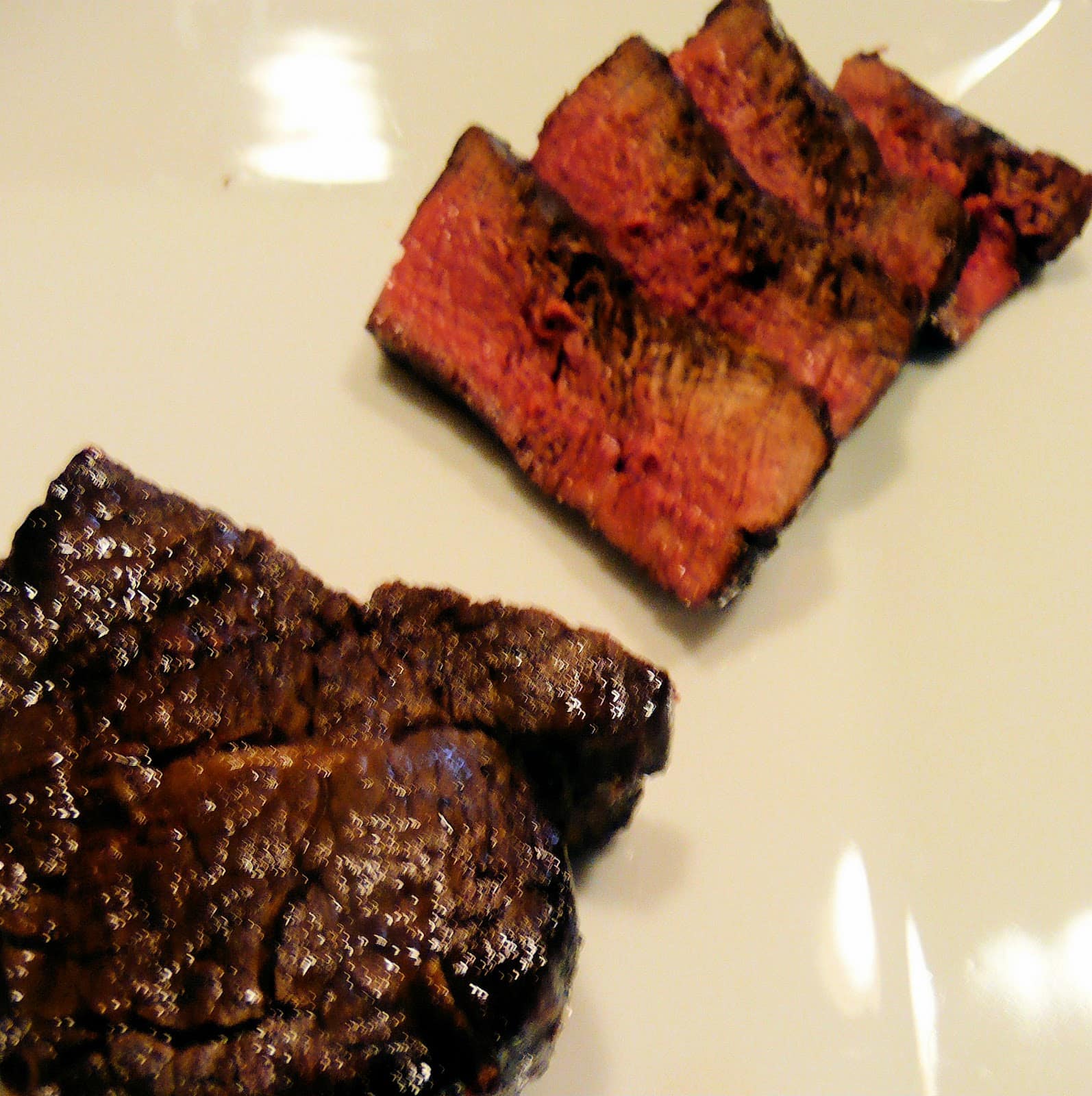
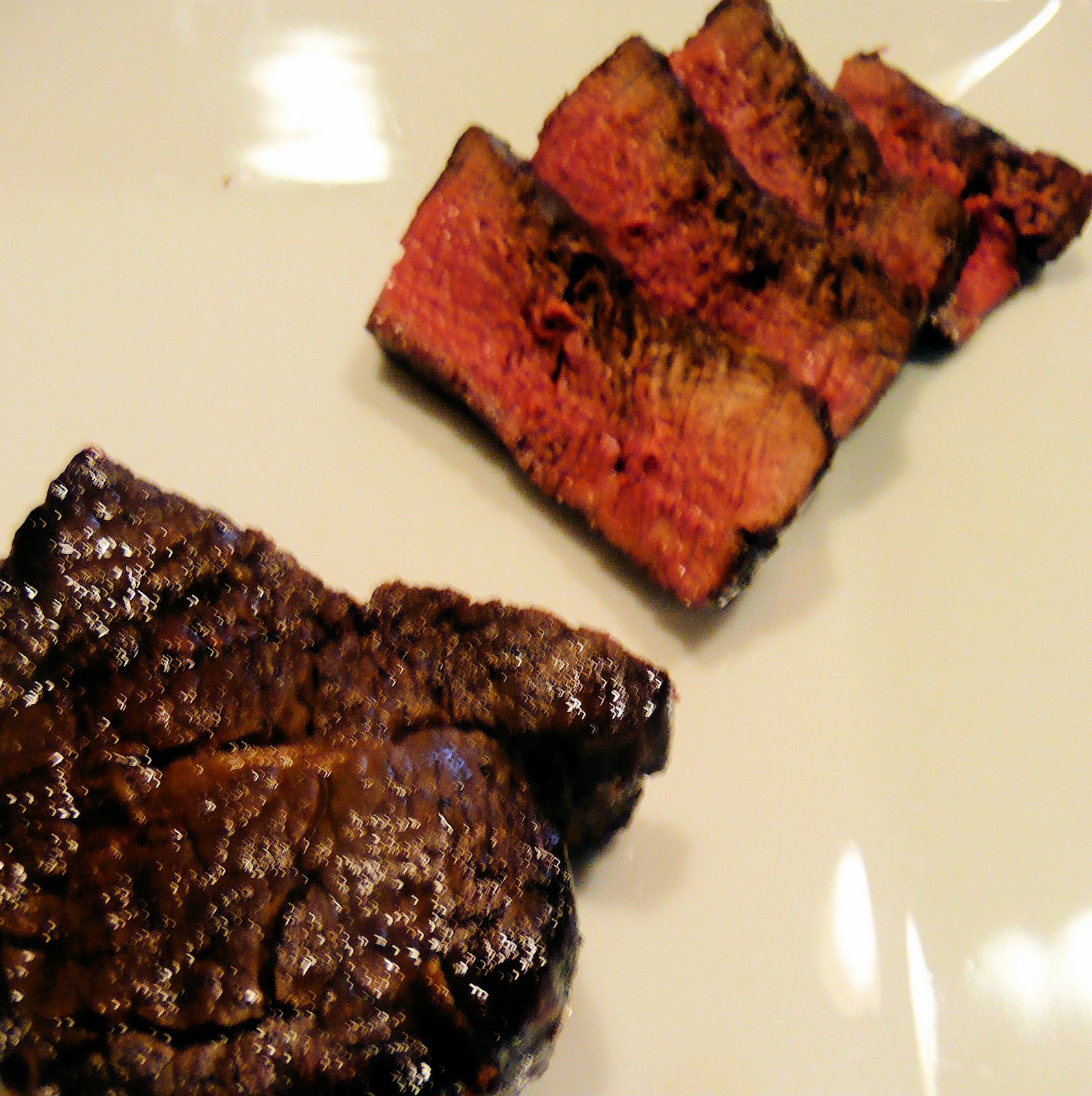
When it was finally cooked to my liking though, this was one tasty dinner. When making the glaze, I was afraid it might be a bit on the spicy side but it actually ended up having an almost caramelized taste to it, which was a pleasant surprise.
The hoisin glaze would be great on a number of different proteins: chicken, salmon, perhaps even scallops. Using the broiler still makes me a bit nervous though, so I may consider whipping up a batch of this glaze for use on the grill, if it ever warms up in Philadelphia (today is March 28—almost April—and the high is 45. Super.) I hope you enjoy this meal with less stress about broiling than me!

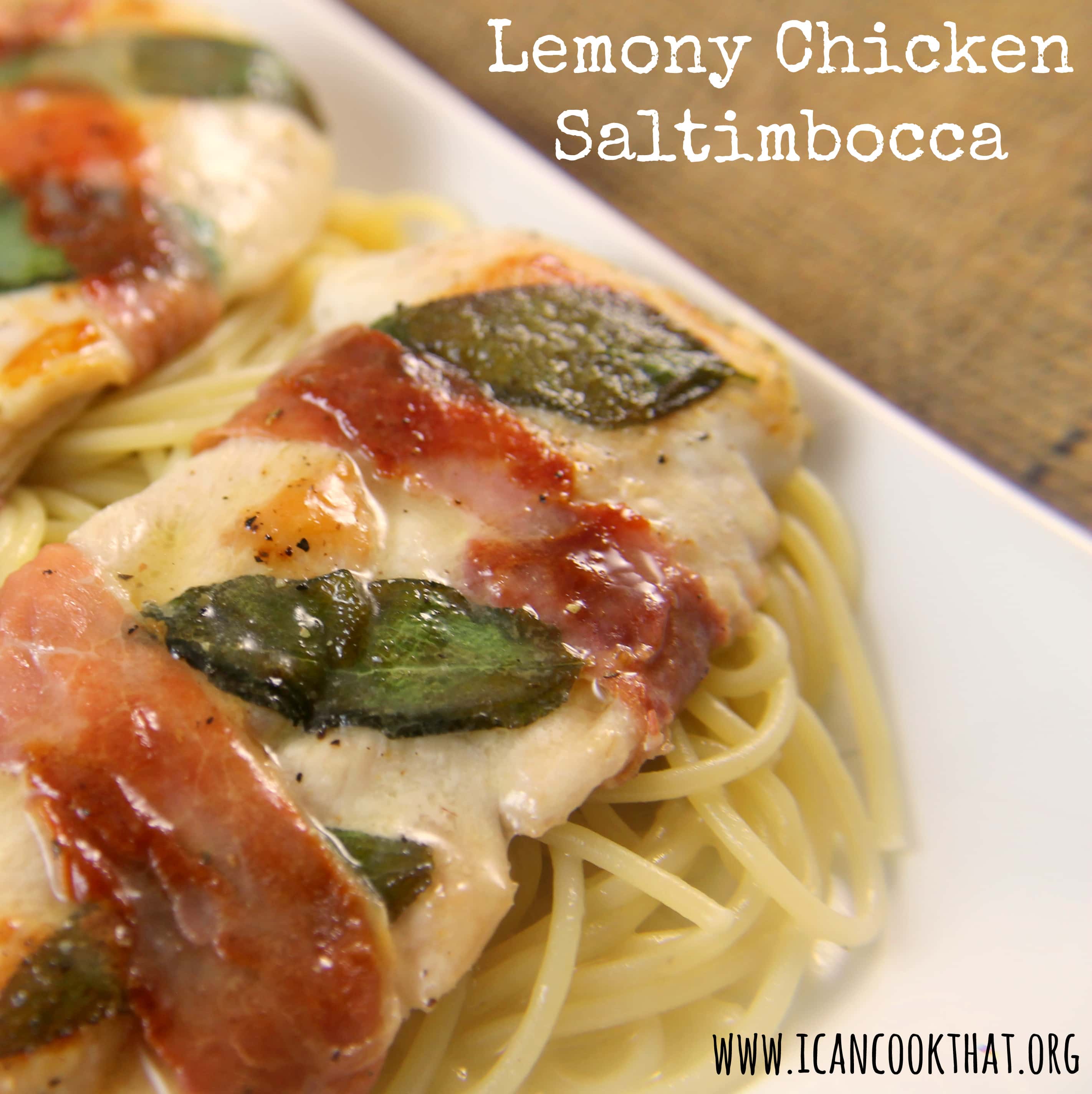
Lemony Chicken Saltimbocca

I have quite the aversion to pig products (pork, ham, pancetta, etc) and my poor boyfriend usually just has to suffer through dinner without these ingredients.  But the January/February issue of Cooking Light had a recipe for Lemony Chicken Saltimbocca that looked delicious, so I decided to finally treat him to a little bit of prosciutto. (I hope he doesn’t get used to this!)

Ingredients:

  • 4  (4-ounce) chicken cutlets
  • 1/8  teaspoon  salt
  • 12  fresh sage leaves
  • Extra dried sage (if you want a bit more sage taste)
  • 2  ounces  very thinly sliced prosciutto, cut into 8 thin strips
  • 4  teaspoons  extra-virgin olive oil, divided
  • 2/3  cup  fat-free, lower-sodium chicken broth
  • 1/2  cup  fresh lemon juice
  • 1 teaspoon  cornstarch
  • 4 oz angel hair pasta 

Chicken Piccata Over Pasta

Chicken Piccata is one of those meals that I always happen to have the ingredients on hand, making this my go-to dish on a “I forgot to go food shopping” night.
Ingredients: (1 serving, multiply as needed)
1 chicken breast
Salt and pepper
All-purpose flour
2 teaspoons paprika
2 teaspoons dried parsley
1 teaspoon garlic powder
1 teaspoon onion powder
4 tablespoons unsalted butter
3 tablespoons olive oil
1 lemon
¾ cup chicken stock
¼ cup white wine
¼ cup brined capers (optional)
Fresh parsley (optional)
1/2 cup pasta (I used lemon-pepper pappardelle)
Preheat oven to 350 degrees. Cook pasta according to directions. Set aside.
Heat 3 tablespoons olive oil over medium high heat. While it heats up, combine a small amount of flour (maybe 1/4 cup), paprika, parsley, garlic powder, and onion powder in a shallow dish. Season chicken with salt and pepper and dredge chicken in flour. Shake off excess flour mixture. Reserve the extra flour mixture for later use.
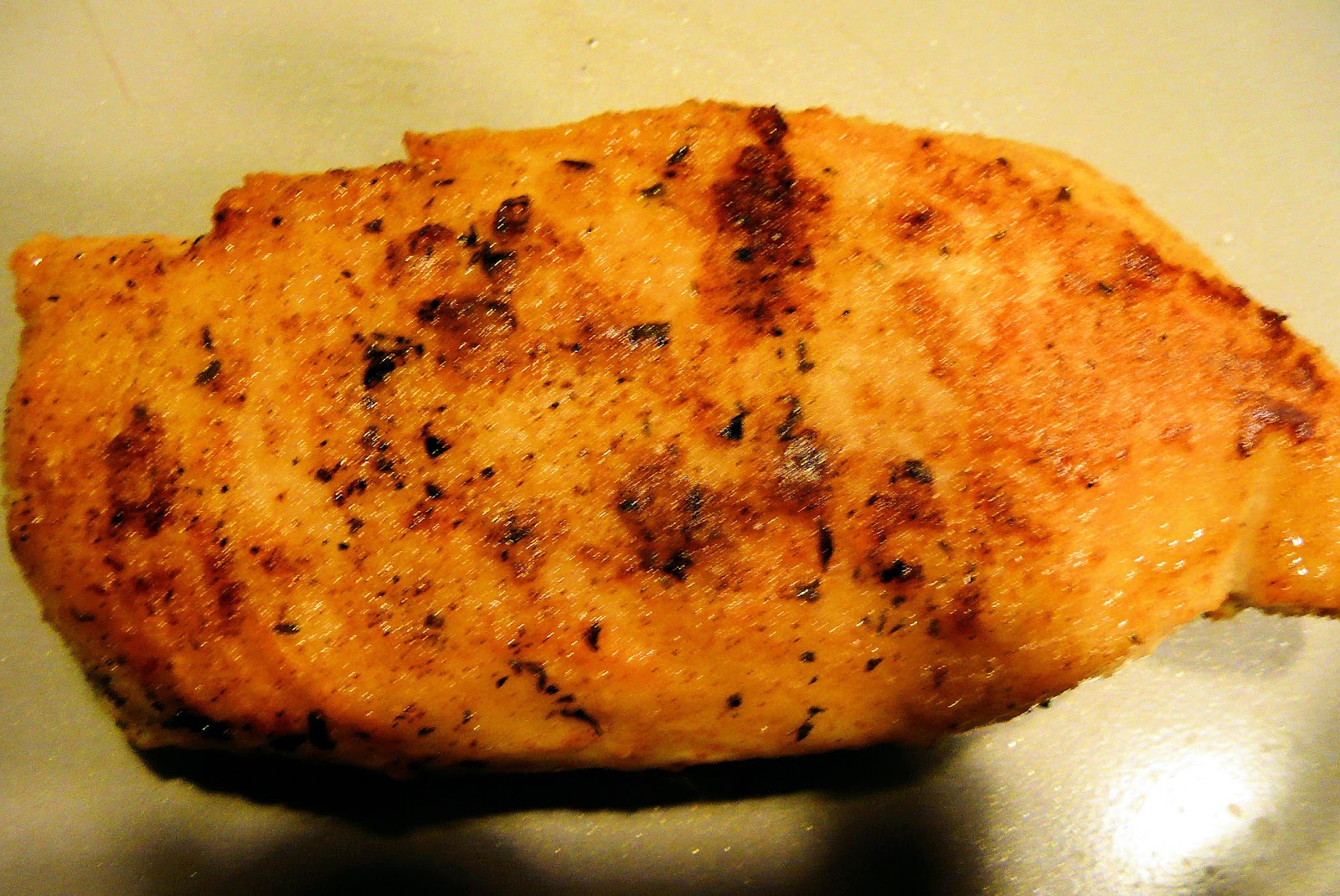
Add chicken to the heated saute pan. Cook for 3 minutes until browned. Flip and cook for 3 more minutes on the other side. Remove from pan and place in a bake safe dish (you want to use the saute pan to make the sauce). Place chicken in the oven and cook for 15 minutes.
finished chicken
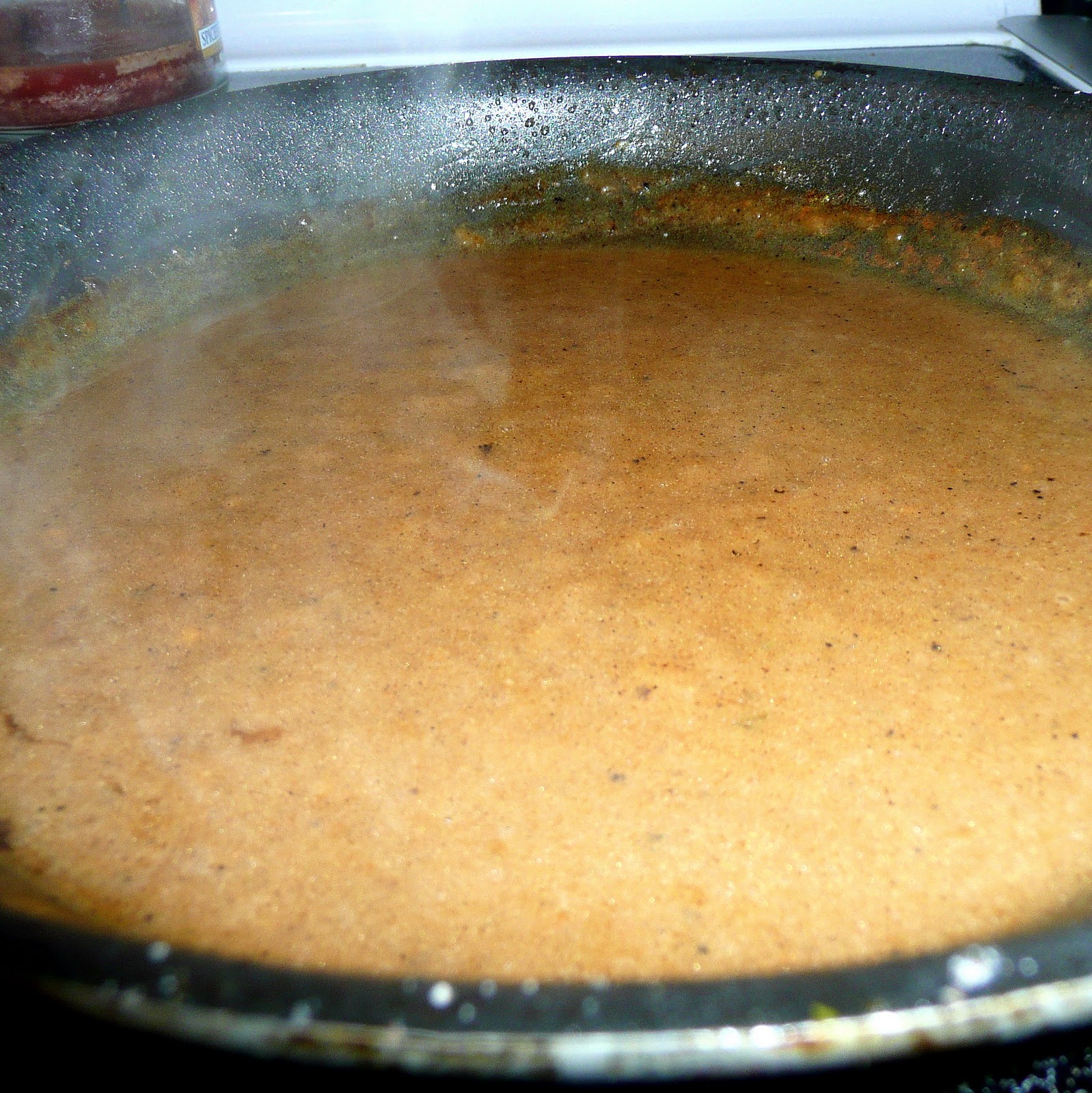
In the original saute pan, add chicken stock. Before juicing the lemon, use some zest from it and add it to the stock– I used a grater. (Be careful to not to down to the white part inside, that is very bitter). Add lemon juice, and capers (if you’d like) and stir, scraping up the brown bits from the chicken. Bring to a boil. Add white wine and again bring to a boil. Add butter one tablespoon at a time, stirring constantly. Reduce heat. While constantly stirring with a whisk, sprinkle flour into the sauce little by little until thickened to your liking.
thickened sauce
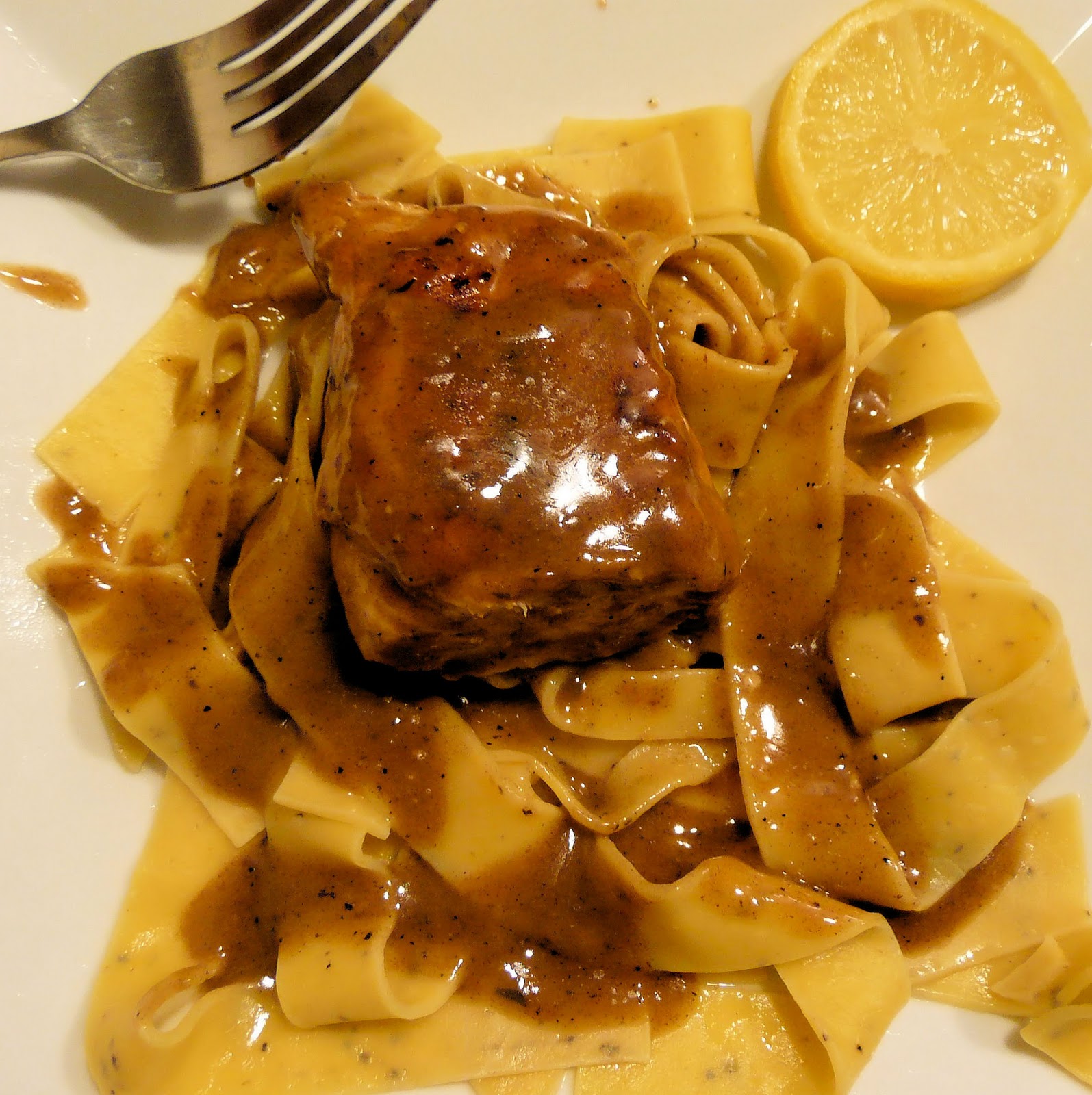
To assemble dish, pour sauce over pasta and chicken. Garnish with fresh parsley and lemon if preferred.
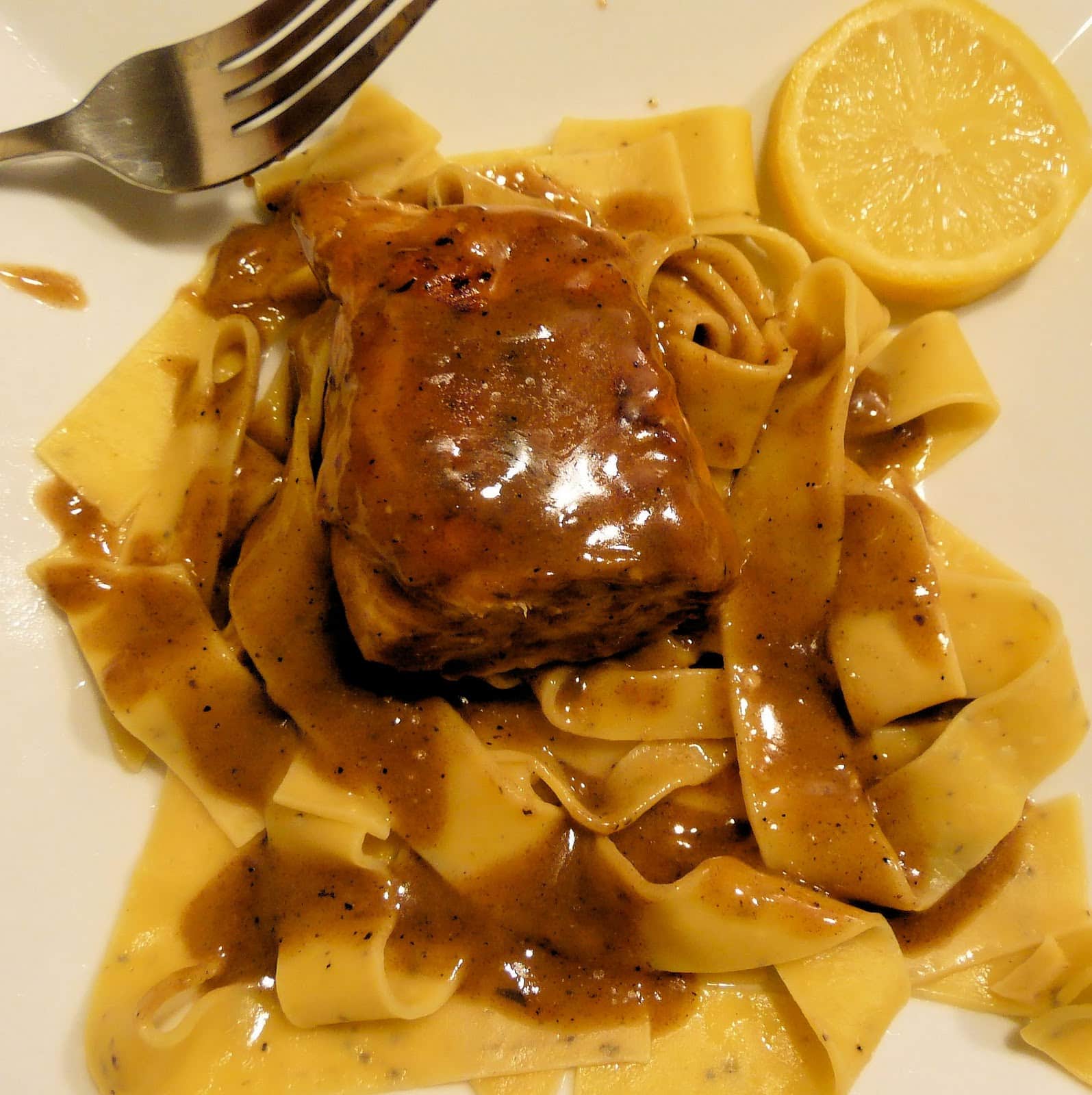
finished dish
So I have no clue how/why the sauce turned brown. BUT it was amazing. The lemon zest enhances the lemon juice without being too sour. I admit, this isn’t a pretty dish at all, so I don’t think it is exactly one to make for company. But it sure did make my stomach happy after a long Monday. Enjoy!


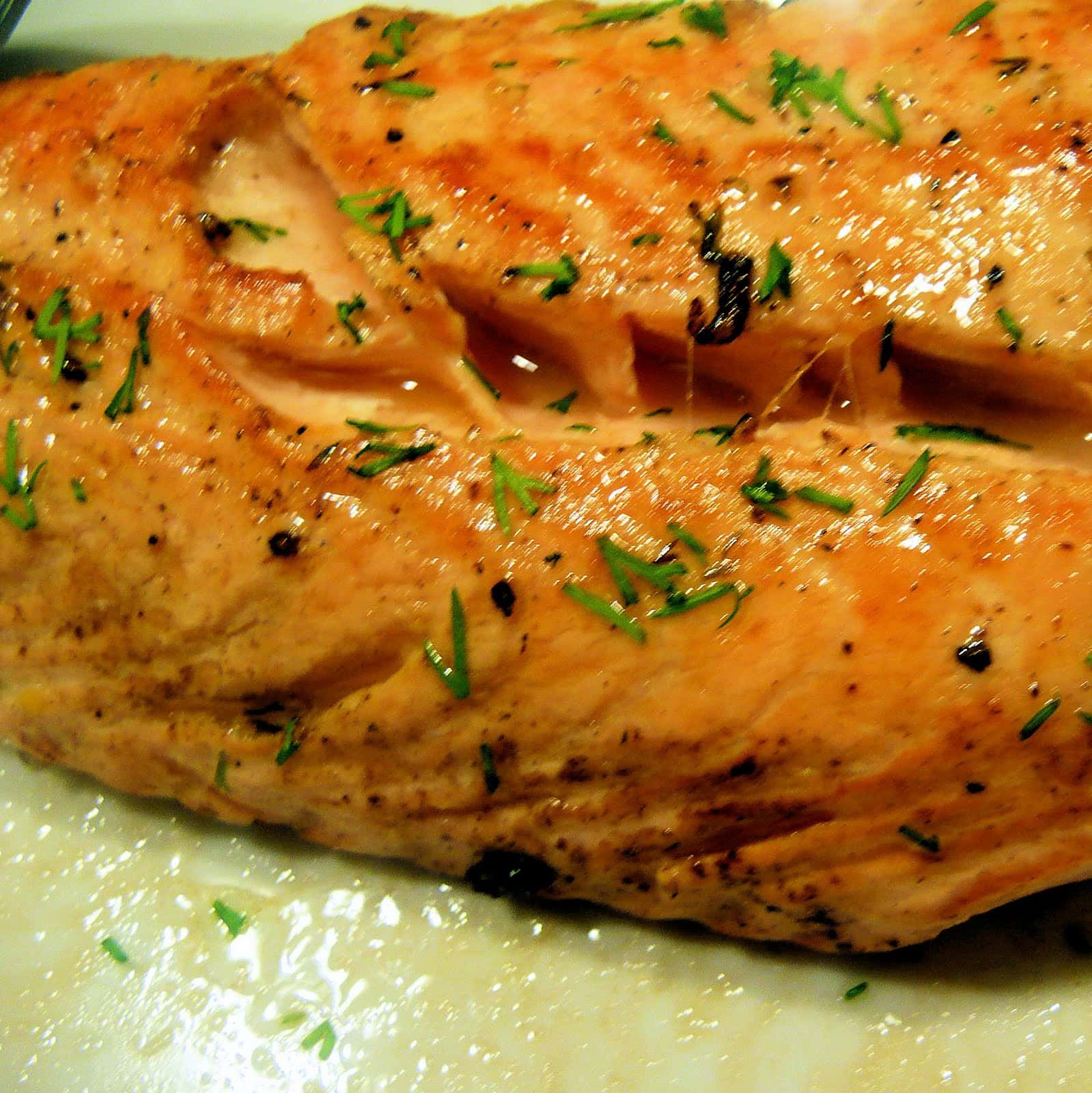
Almond Chive Salmon

Everyone knows how amazing salmon is for you: lots of protein, omega-3 fatty acids, vitamin D… so whenever I can, I try to make some. Salmon with butter and lemon is delicious and quick, but all that butter seems to outweigh the health benefits of the fish (at least in my mind). I’ve tried to alternate that with this Almond Chive Salmon.
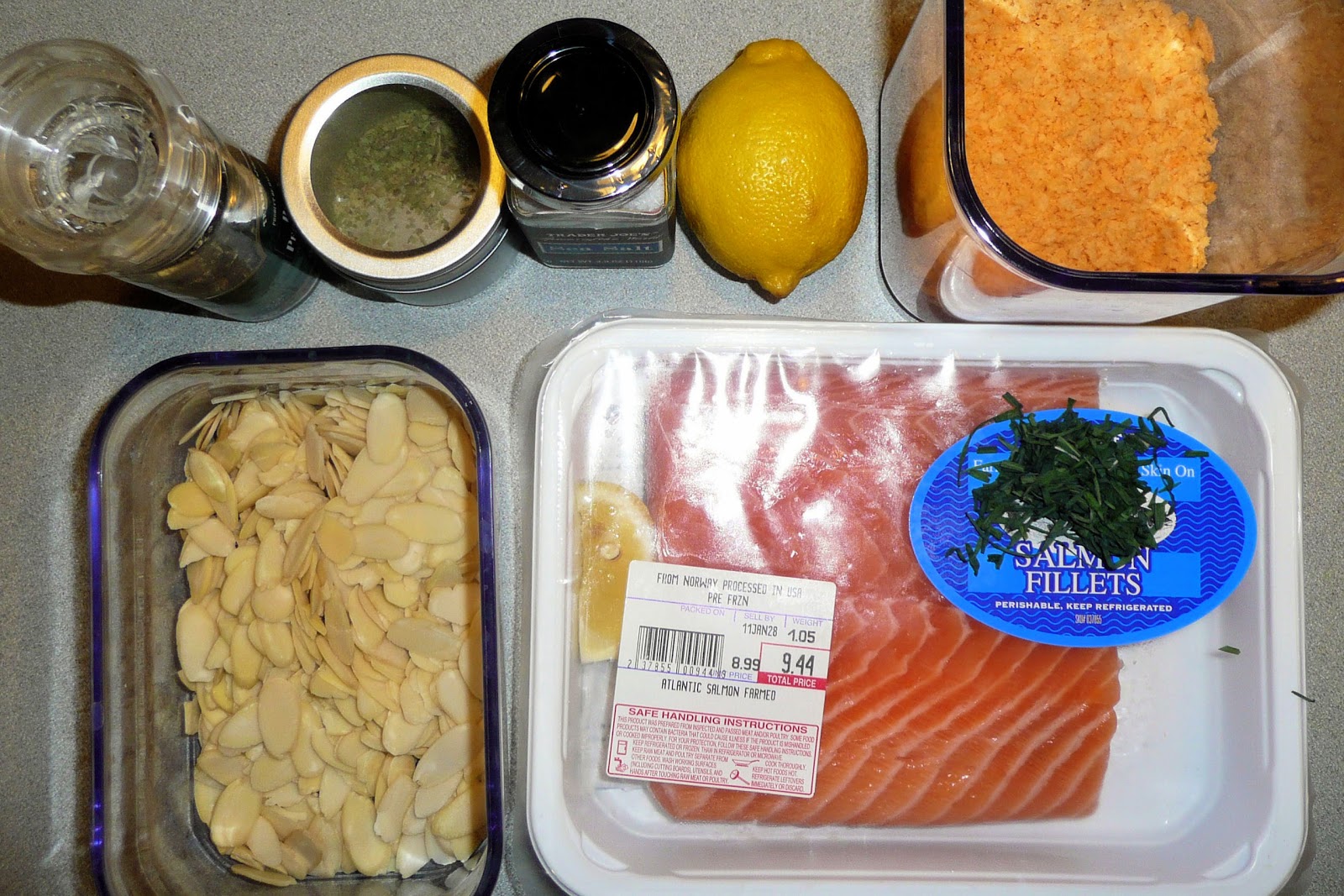
Ingredients:
1/4  cup  sliced almonds
2  tablespoons  chopped fresh chives
1  tablespoon  chopped fresh parsley (or 1 teaspoon dried parsley)
1/2  teaspoon  grated lemon rind
4 tablespoons panko (breadcrumbs)
1/2  teaspoon  salt, divided
1 pound salmon fillet
1/4  teaspoon  freshly ground black pepper
Cooking spray
2  lemon wedges
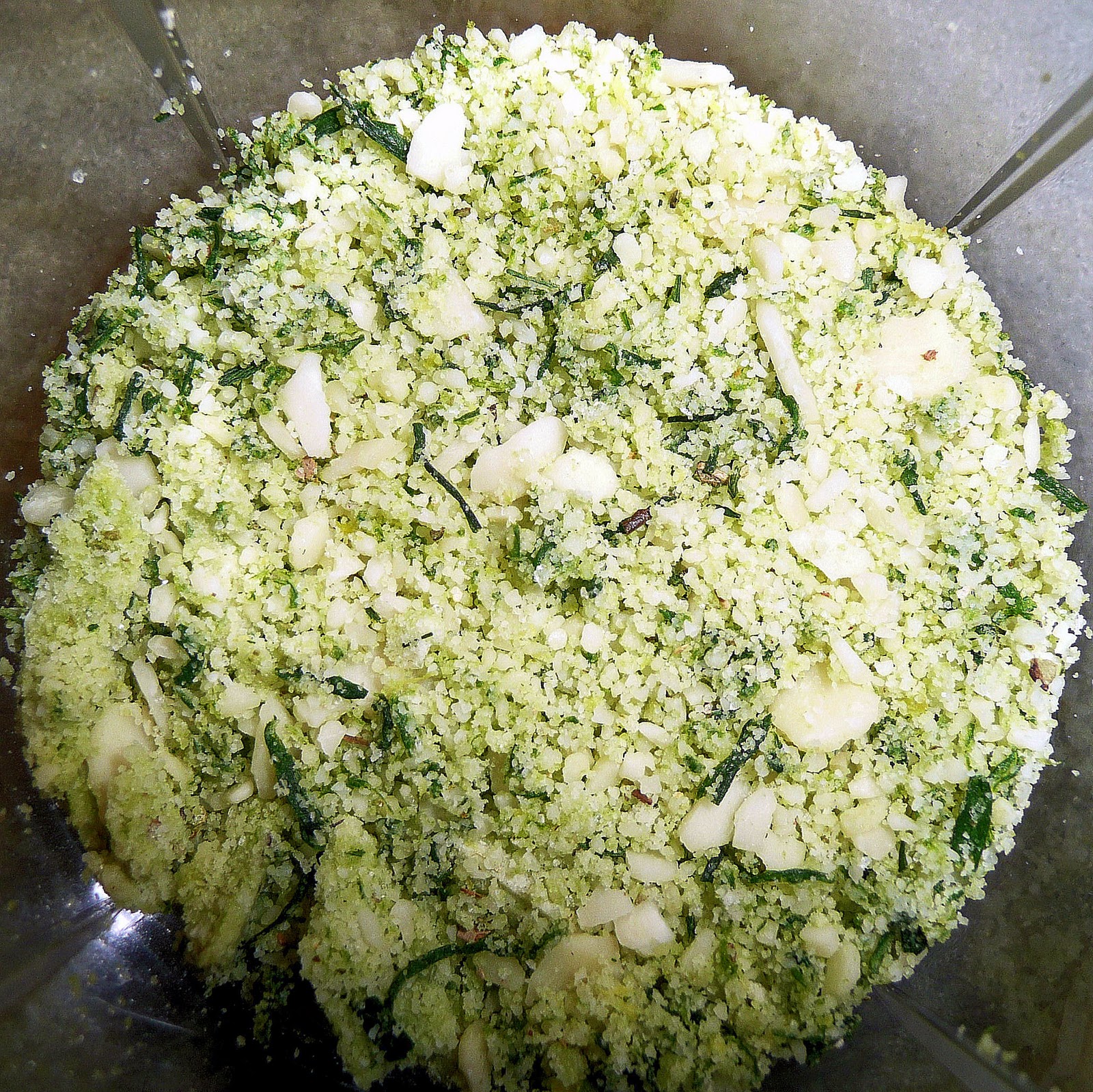
Preheat your oven to 400 degrees. Combine the almonds, chives, parsley, and lemon plus 1/4 teaspoon salt in a food processor (I use my Magic Bullet). Pulse until finely chopped.
Add the panko to this mixture, stir to combine.
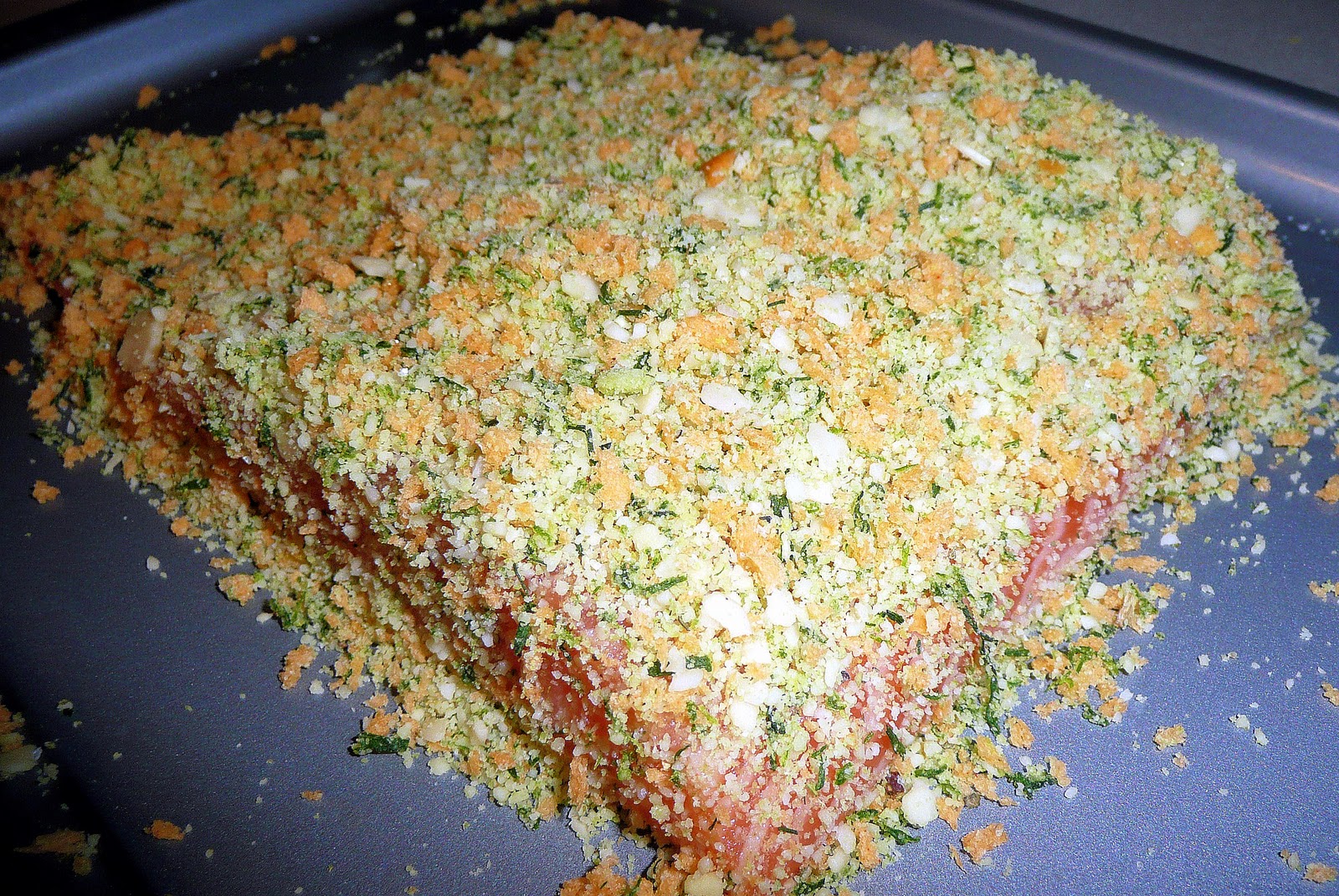
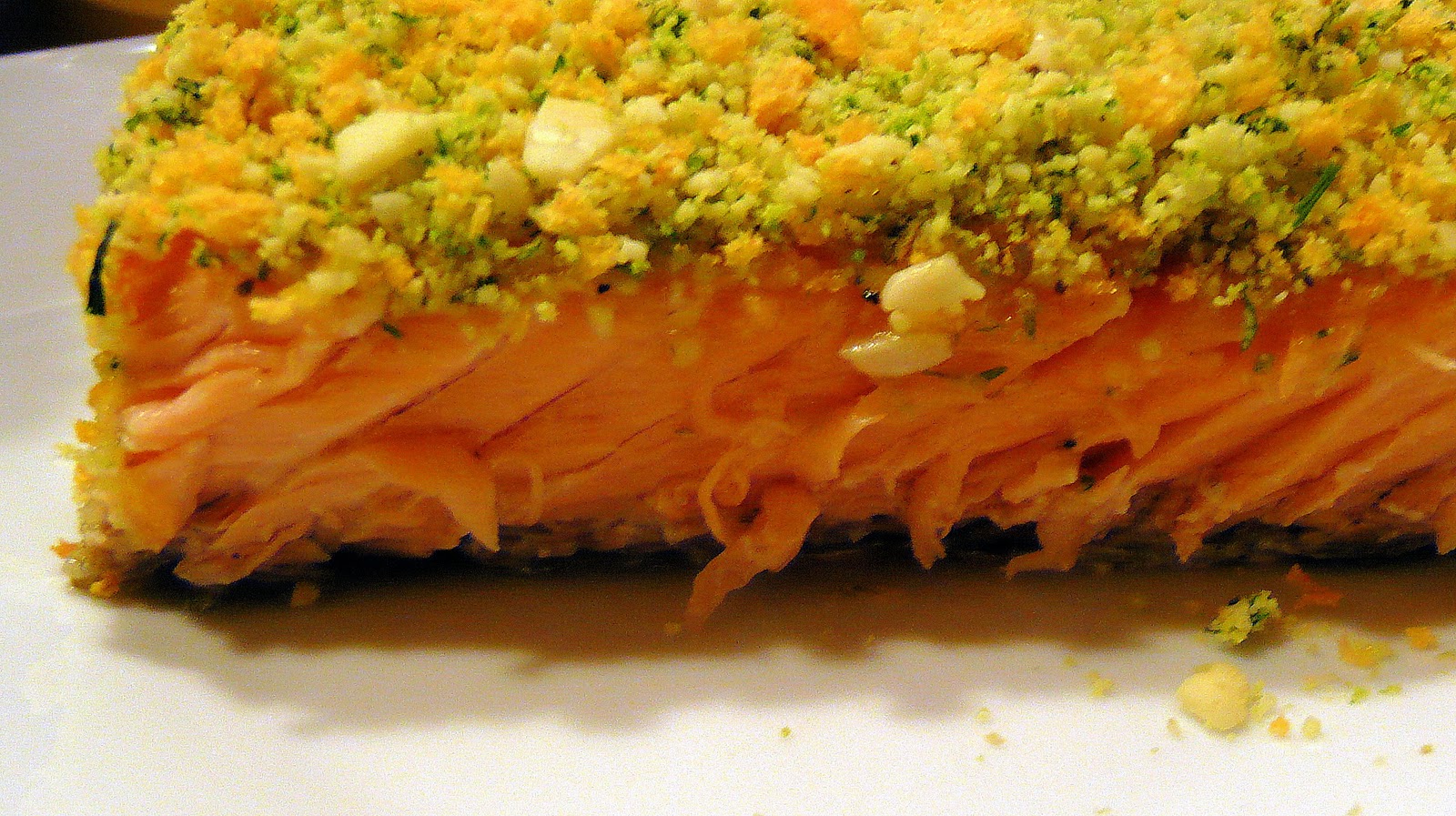
Sprinkle the salmon with the remaining 1/4 teaspoon salt and 1/4 teaspoon pepper. Sprinkle the panko mixture over the salmon evenly, pressing to make it stick. Place salmon on a baking sheet coated with cooking spray.
I put A LOT on mine; use as much/little as you’d like
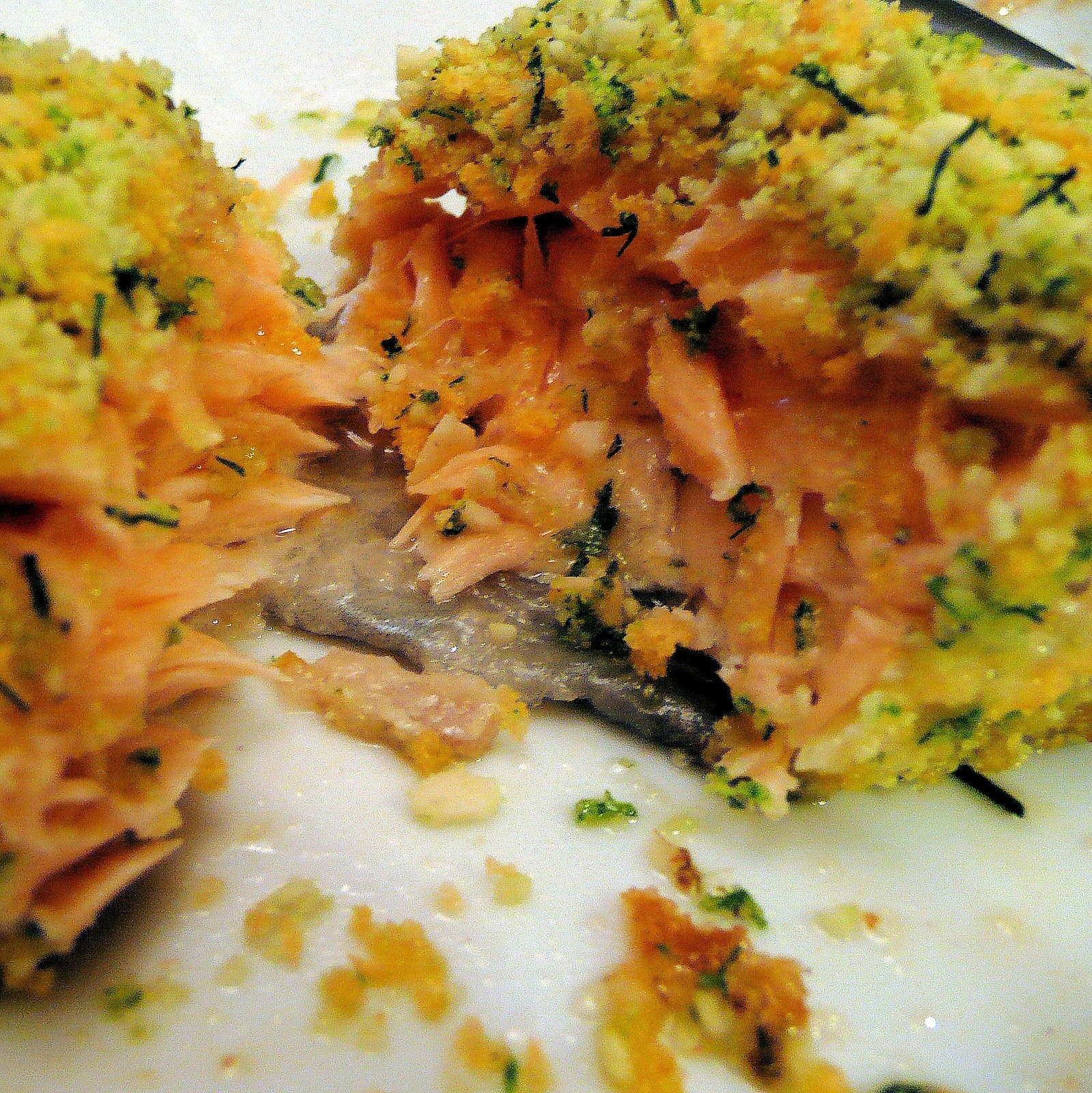
Bake for 15 minutes or until is flakes easily. Serve with lemon wedges.
This is one of my go-to recipes: beautiful, quick, flavorful. It’s also a great introduction to fish:.The almonds and spices make it a bit less “fishy” to those who aren’t fans of seafood.

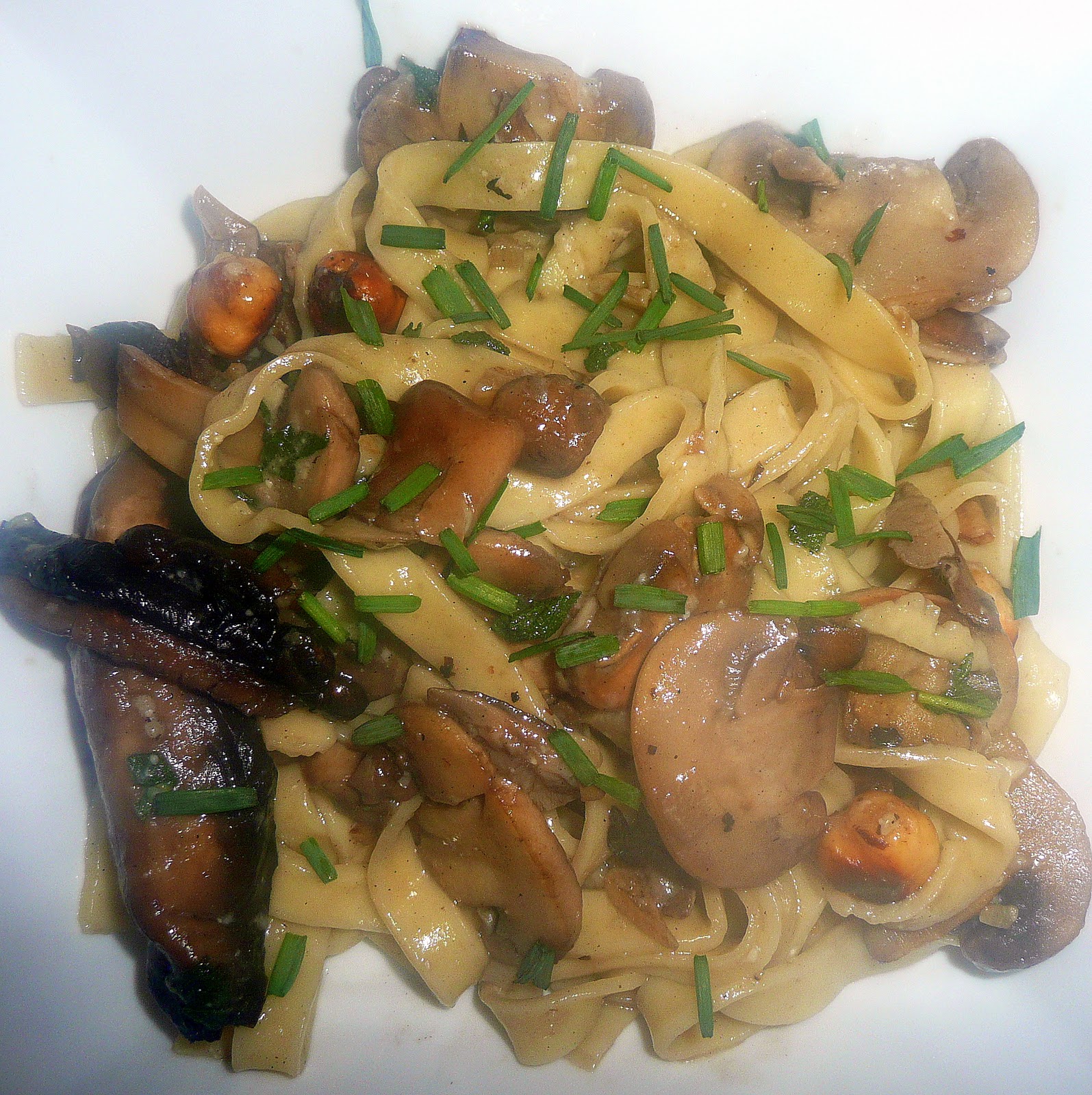
Fettuccine with Mushrooms and Hazelnuts

Despite growing up on pasta, I didn’t experience fresh pasta (besides ravioli) until recently, and I fell in love with it. As much as I wish I had my own pasta maker so that I could enjoy it all the time, I don’t have the space, money, or time to whip out fresh pasta for dinner. However, I found a place near me that sells fresh pasta in different widths (spaghetti to lasagna sheets) and flavors (egg, spinach, pumpkin, etc). So I was beyond excited when this month’s Cooking Light came with a recipe for fresh Fettuccine with Mushrooms and Hazelnuts. I made some very slight alterations (ie bigger mushroom to pasta ratio) but the overall recipe is mostly intact.
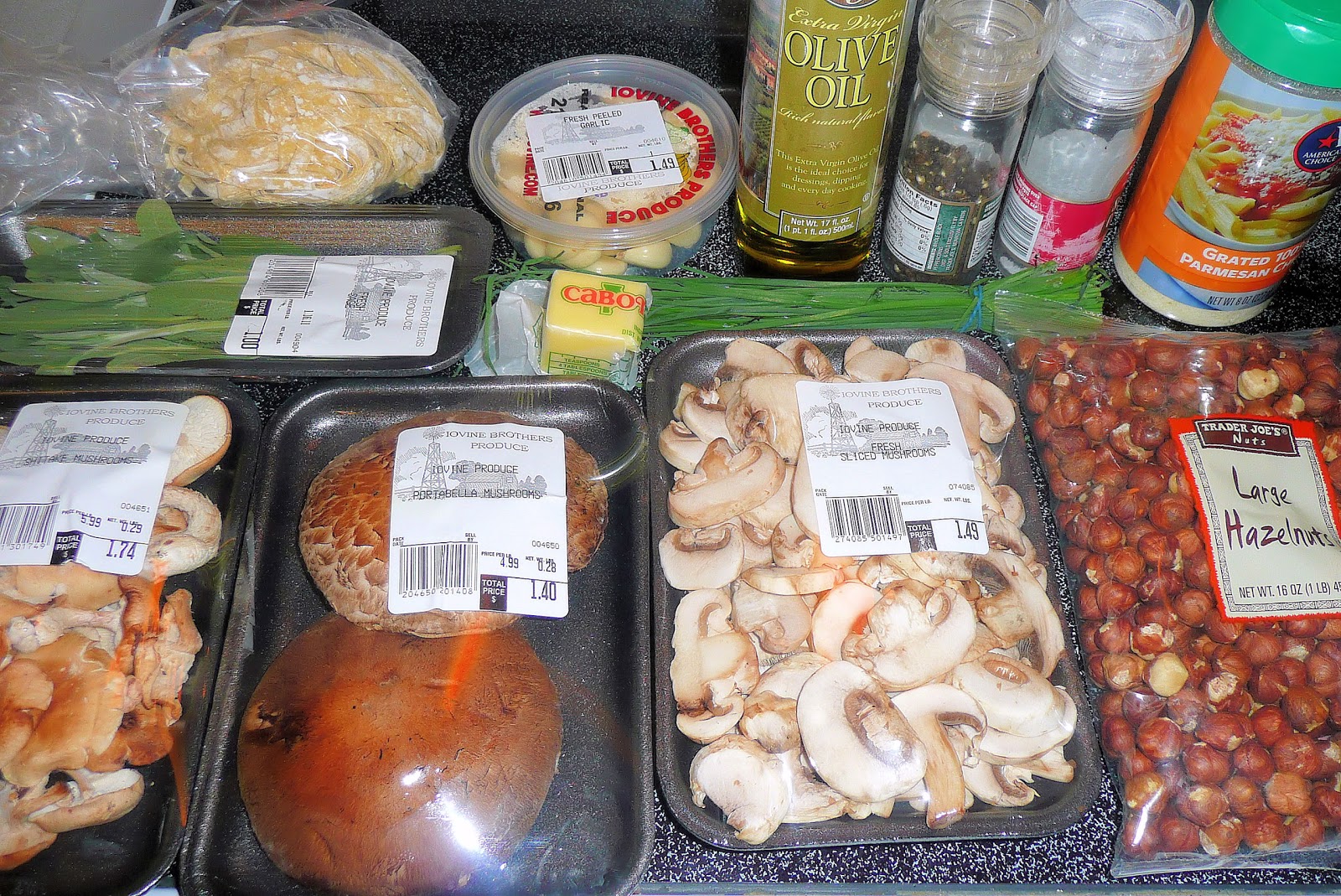
Ingredients:
  • 1/2 pound fresh fettuccine
  • 1  tablespoon  butter
  • 1/4  cup  chopped blanched hazelnuts (You can find blanched hazelnuts in stores. I already had hazelnuts, so I blanched them myself. I’ve included a how-to below)
  • 1  tablespoon  olive oil
  • 4  garlic cloves, thinly sliced
  • 1 package each of portobello, cremini, and shiitake mushrooms, sliced
  • 1/2  teaspoon  salt, divided
  • 1/4  teaspoon  freshly ground black pepper
  • 2  teaspoons  chopped fresh sage
  • 2  ounces  Parmigiano-Reggiano cheese, shaved or grated
  • 2  tablespoons chopped chives

 To blanch hazelnuts:
As you can see in the bottom right corner in the above photo, I had shelled hazelnuts on hand. Instead of buying blanched hazelnuts, I decided to try on my own. It honestly was pretty darn simple!
Preheat oven to 350 degrees. Place hazelnuts on a baking sheet (just for convenience, use one with a lip so that they don’t roll off. Cook the hazelnuts for about ten minutes. Using a paper towel or a cloth towel, take a few hazelnuts at a time and rub them back and forth within the towel to remove the dark brown layer. Some of mine were being stubborn, but I think it was overall a success.
Blanched hazelnuts, w/ some brown left on (oh well)
Cook the fettuccine in boiling water with no salt or fat added (if there are directions, follow them. mine, I guessed 5 minutes and it tasted A-ok to me). When draining the pasta, put a bowl or measuring cup under the colander to reserve 3/4 cup water.
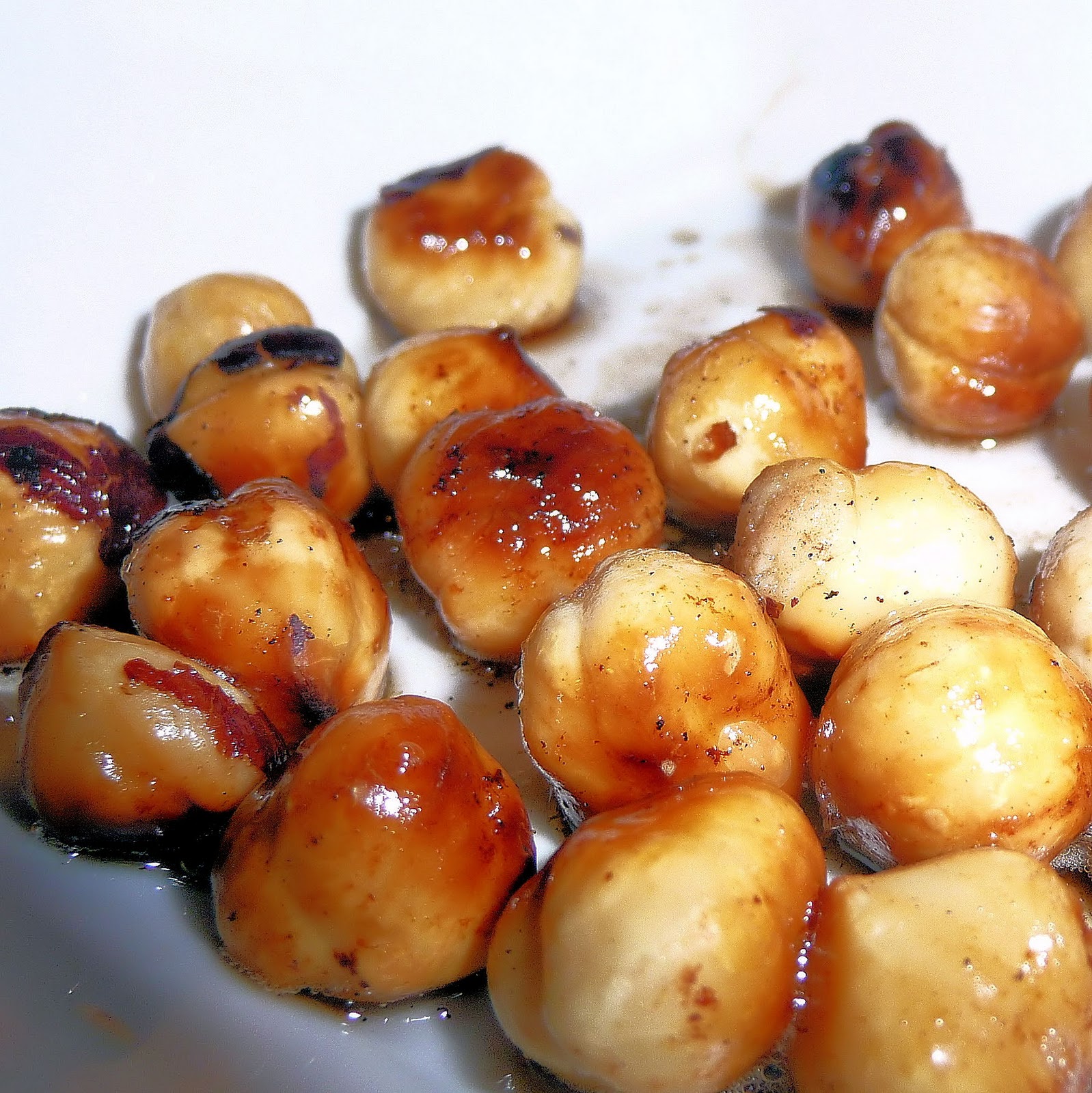
To prepare the mushroom/hazelnut mixture, melt the butter in a saute pan over medium-high heat. Add the blanched hazelnuts and cook for 3 minutes. Make sure to keep an eye on them, you want a somewhat even toast on them. Remove with a slotted spoon and set aside.
toasted hazelnuts
Add oil to the pan. When heated, add the garlic and mushrooms, 1/2 teaspoon salt, and black pepper. Cook for about 5 minutes.
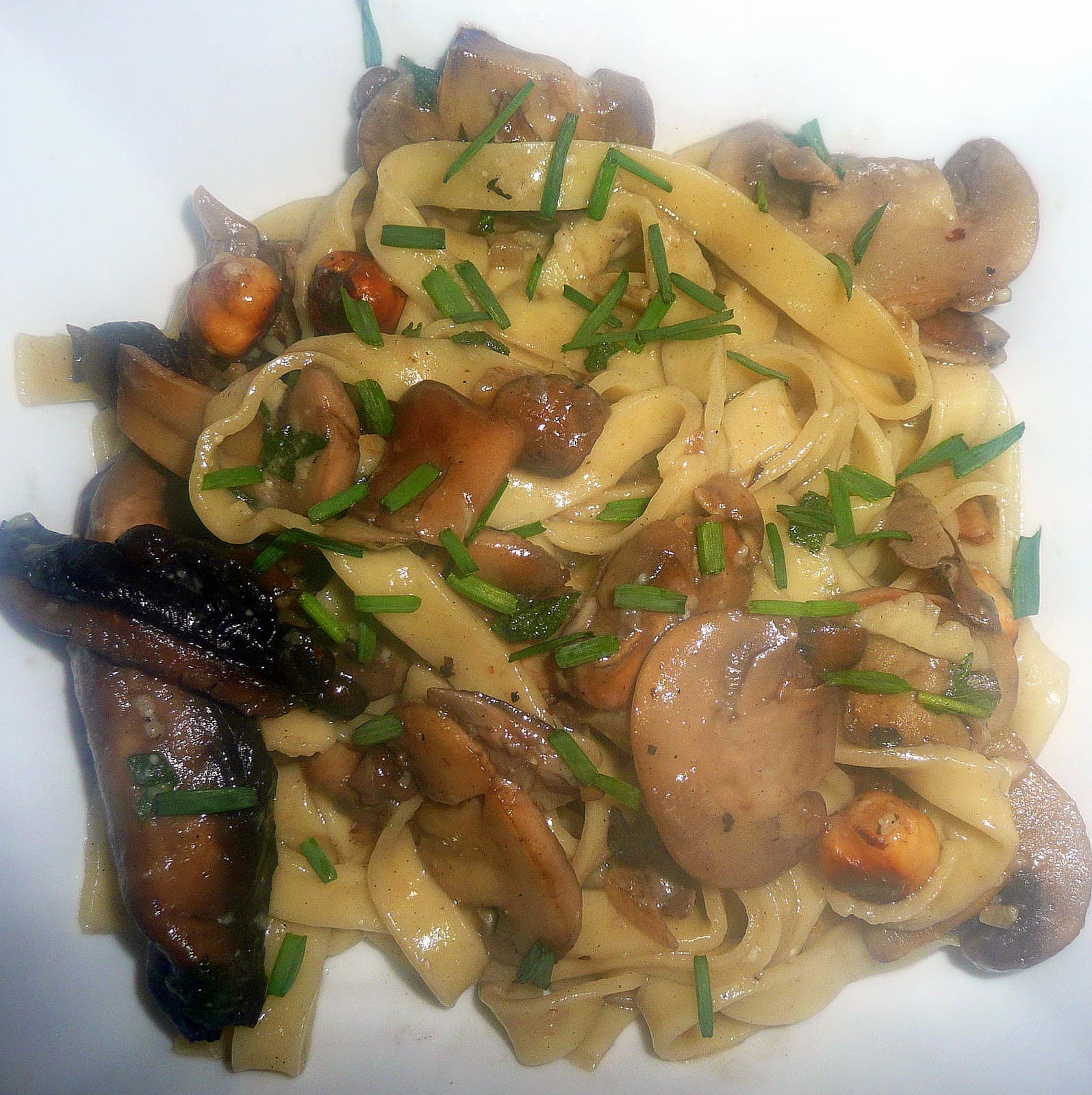
Stir in chopped sage, pasta, reserved cooking liquid, and remaining 1/4 teaspoon salt and toss. I gave it a minute to sort of meld together over the heat (I have an electric stove, so I turned off the burner, but left the pan over the still warm burner). Remove from heat, and add cheese, hazelnuts, and top with chives.
This turned out great! The flavors were fantastic. I was pretty wary about a sauce-less pasta dish; my previous posts show how much I love sauce, but there was enough going on that a sauce wasn’t needed at all. A definite plus, this took about 20 minutes from start to finish!  How I love feasible week day meals.

Sauces for Ravioli

As much as I love cooking, sometimes I am just too exhausted at the end of the day to whip together a tasty meal. But why should my taste buds be punished?  So I always keep a few different types of ravioli in my freezer for a quick meal. Tomato sauce on meat or cheese ravioli is great, but I tend to lean towards mushroom, pumpkin, butternut squash, or spinach fillings.  So here is a short list of a few different sauces (besides tomato) that you can cook in the time it takes to cook the ravioli.

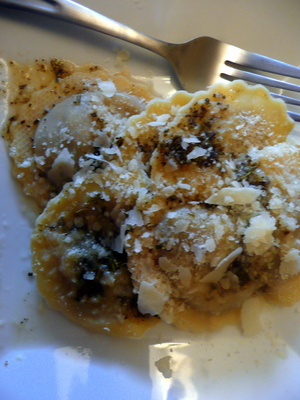
White Wine Sage Sauce
(great with mushroom ravioli)

Ingredients:
1 teaspoon olive oil
1 clove minced garlic
1 tablespoon dried sage
1/2 cup white wine (whatever you have open, I have been using a Pinot Grigio recently)
Optional ingredients:
Truffle oil
Panko bread crumbs
Parmesan cheese (grated or shaved)
Note: This is for one serving, so multiply as needed!

To make, add the olive oil to a saute pan. Heat over medium-high heat, and add the garlic and sage. Let cook for one minute. Add the white wine, and turn the heat down to medium-low. Let simmer for a few minutes until it reduces. Remove from heat and pour over cooked ravioli. I really enjoy adding a little drizzle of truffle oil and then topping the ravioli off with panko and parmesan cheese. The truffle oil enhances the flavor of the ravioli and the panko adds a bit of a light crunch to the dish.
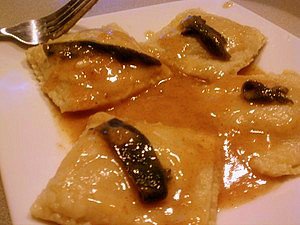
Brown Butter Sage Sauce
(great with pumpkin or butternut squash ravioli)
Ingredients:
1 tablespoon butter
4 sage leaves
Lemon juice, to taste
Parmesan cheese, to taste
Note: This is for one serving, so multiply as needed!
To prepare, melt butter in a saute pan until a light brown color appears (about 3 minutes). Add the sage leaves and cook for one minute more (to help the leaves get a little crispy). Remove from heat and add a few drops of lemon juice. Add some Parmesan cheese and mix. Pour over the ravioli and serve.
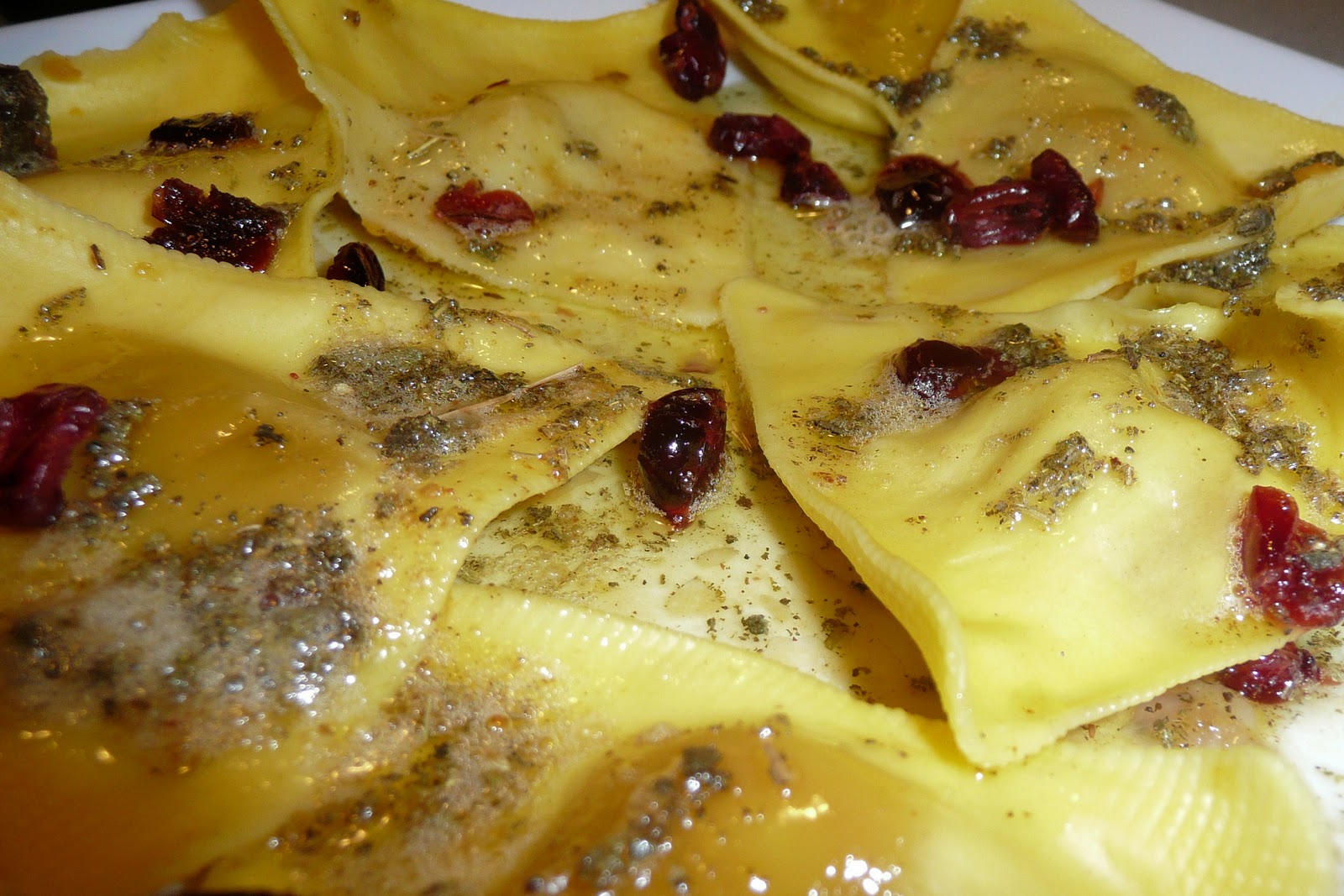
Brown Butter Sage Sauce with Dried Cranberries
(great with pumpkin or butternut squash ravioli)
Ingredients:
1 tablespoon butter
1 teaspoon dried sage
1-2 teaspoons dried cranberries
Salt, to taste
Pepper, to taste
Note: This is for one serving, so multiply as needed!
To prepare, melt butter in a saute pan. Add the sage and dried cranberries and cook until a light brown color appears (about 3 minutes). Remove from heat. Add salt and pepper and mix. Pour over the ravioli and serve. Note: If you have walnuts, they would be fantastic in this dish, I just didn’t have any. Toast the walnuts in the oven at 350 degrees for 8 to 10 minutes. Add the walnuts to the melted butter when you add in the sage and dried cranberries.
Roasted Walnuts – more of a topping than a sauce
(great with cheese or spinach ravioli)
Ingredients:
2 tablespoons olive oil
1 clove chopped garlic
1/4 cup chopped walnuts
1/2 teaspoon lemon juice
Salt, to taste
Pepper, to taste
1 teaspoon chopped fresh parsley
Parmesan cheese (grated or shaved), to taste
Note: This is for one serving, so multiply as needed!
To prepare, heat the oil in a saute pan over medium heat. Add the garlic and walnuts and cook until the walnuts are slightly toasted, stirring frequently (about 5 minutes). Add lemon juice, salt, pepper, and parsley. Remove from heat and pour over ravioli. Top with the Parmesan cheese.

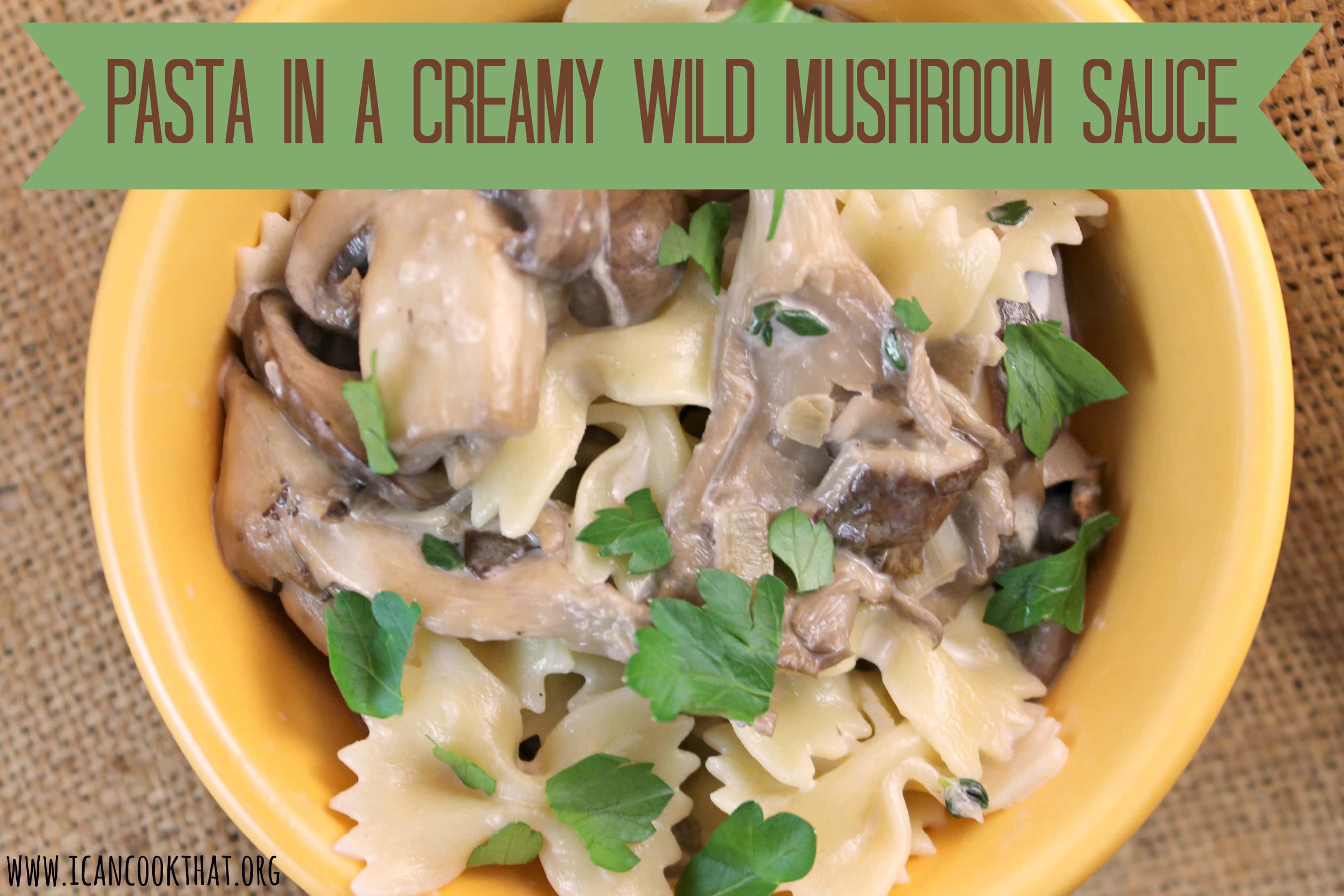
Pasta in a Creamy Wild Mushroom Sauce

When the weather gets cold, I start craving pasta, pasta, and more pasta (I fully blame this on my Italian mother).  I don’t want to get stuck eating the same thing every night though, so I try to have a few recipes on hand that I can cycle through so that I don’t get sick of my delicious carbs.
Combining my love of mushrooms with my affinity of pasta, I tend to use this recipe a lot. This recipe does include whipping cream though, so I wouldn’t suggest making this a weekly staple. But it is a really easy and comforting meal.
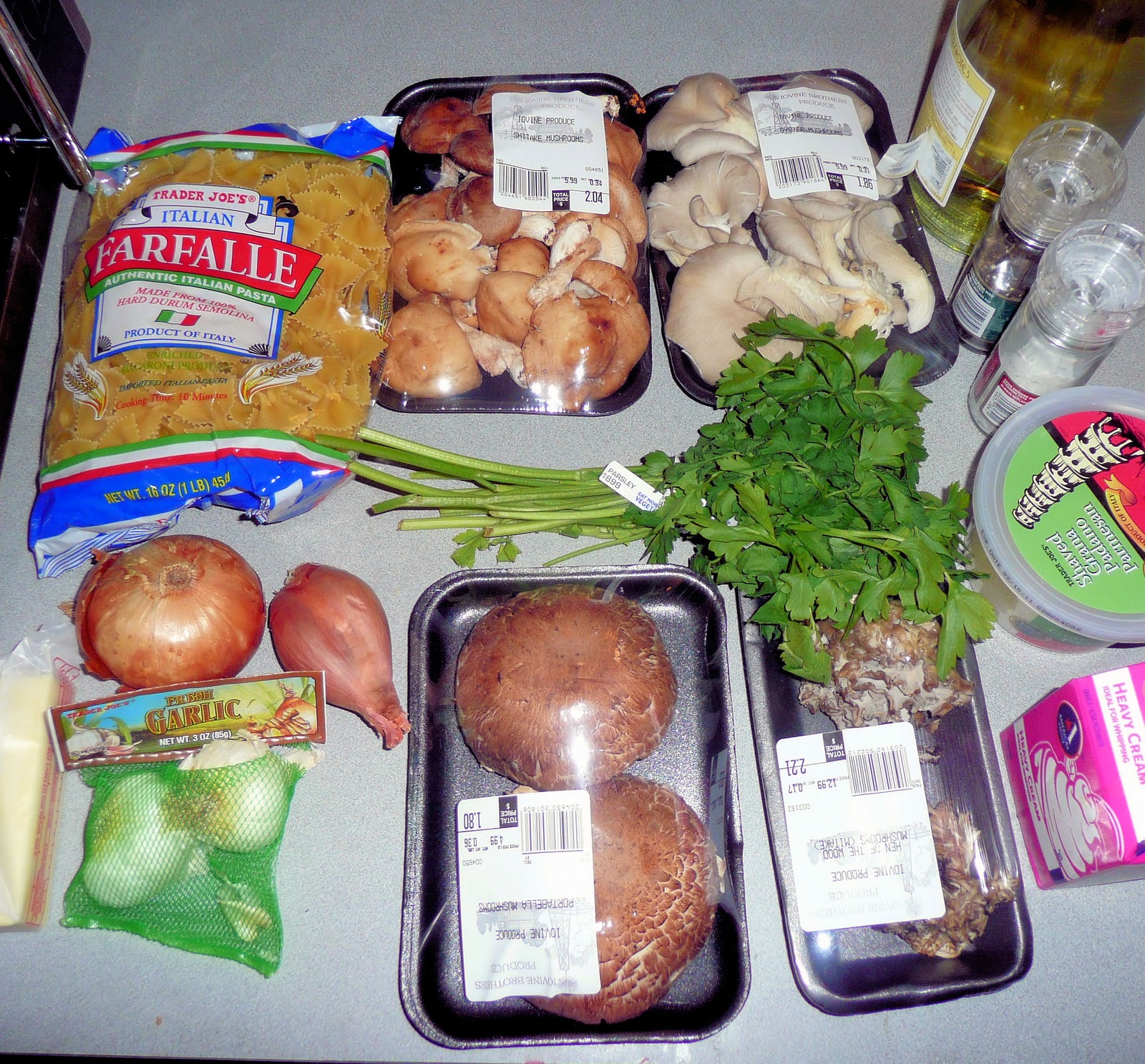
Ingredients:
  • 1 box uncooked farfalle pasta
  • 1 tablespoon butter
  • 1 package of each of the following: shiitake, cremini, portobello and oyster mushrooms (if your supermarket has an exotic mushroom blend, grab 2 of those. If some other mushroom is calling your name, feel free to sub), sliced
  • ½ cup chopped onion
  • 1/3 cup chopped shallots
  • 1 tablespoon minced garlic
  • 1 ½ teaspoons salt, divided
  • Pepper, to taste
  • ¼ cup dry white wine (I just used whatever white wine was on hand and open)
  • 2/3 cup whipping cream
  • ½ cup grated Parmigiano-Reggiano cheese
  • 2 tablespoons chopped fresh parsley

Scallops Grapefruit and Fennel? Hmm…

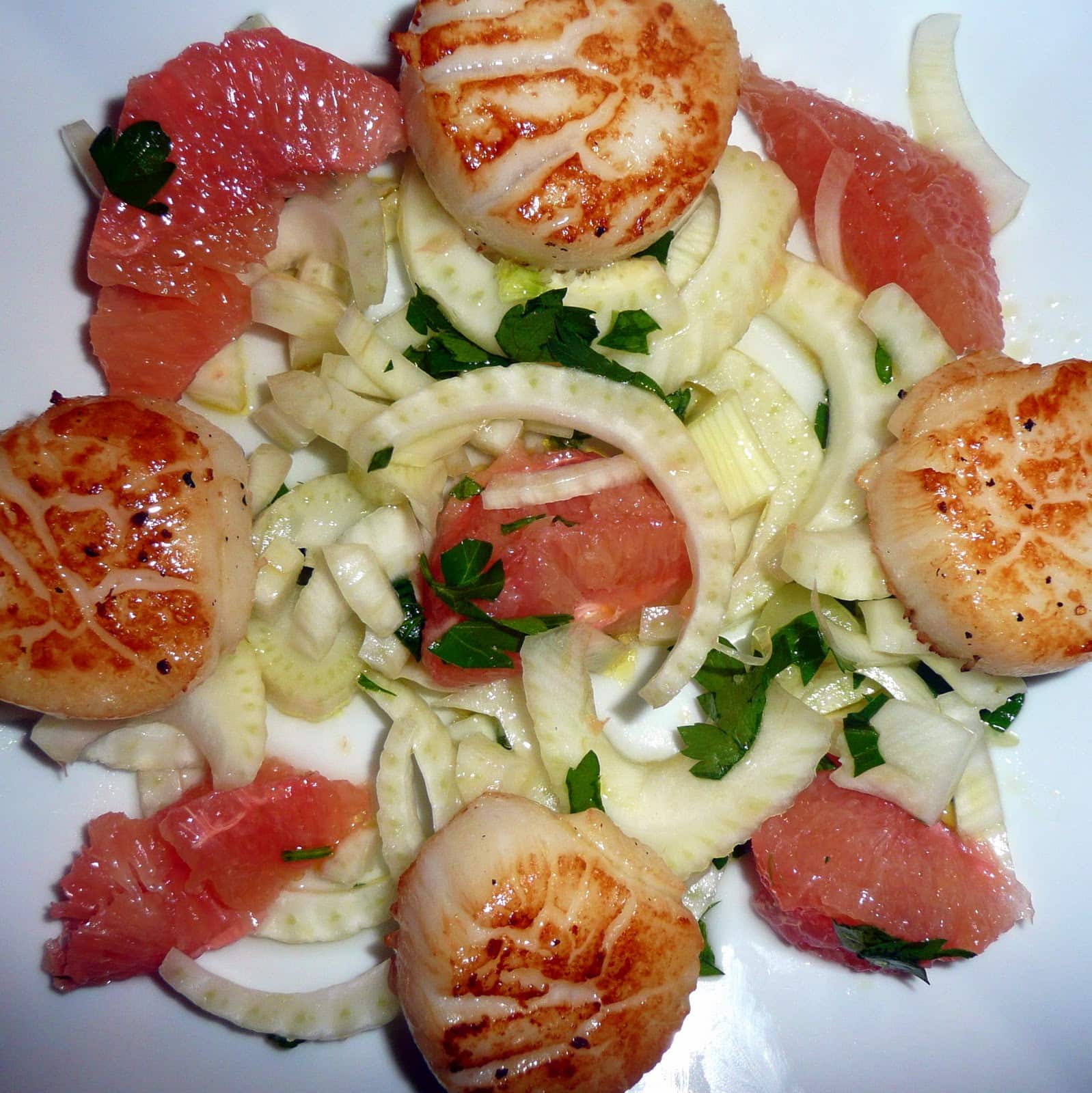
After watching a few episodes of Top Chef Masters recently, I had a hankering for some scallops (which I’m going to blame on seeing Jamie, who made like 14 scallop dishes during her season on Top Chef). Luckily, the December issue of Cooking Light had a recipe for scallops that looked really appealing: Seared scallops with fennel and grapefruit salad. I was interested to see how such strong flavors would work together.
Ingredients:
1 large grapefruit
1.5 cups sliced fennel bulb (1 small-ish bulb)
½ cup flat-leaf parsley
2 teaspoons extra-virgin olive oil
1 tablespoon butter
½ – 1 lb sea scallops (about 12 for two people)
Salt and Pepper, to taste
 To start, peel and section the grapefruit, reserving about ¾ cup grapefruit sections in a bowl. With the remaining grapefruit, squeeze to extract the juice (about ¼ cup) and set aside (apart from the grapefruit sections.
 To cut the fennel, trim off the stalks and discard. Remove any dirty or hard areas on the bulb (that white part at the bottom) by peeling off the first layer if needed.  Cut the bulb in half and lay them on the cutting board flat side down. Slice across the bulb in thin slices.
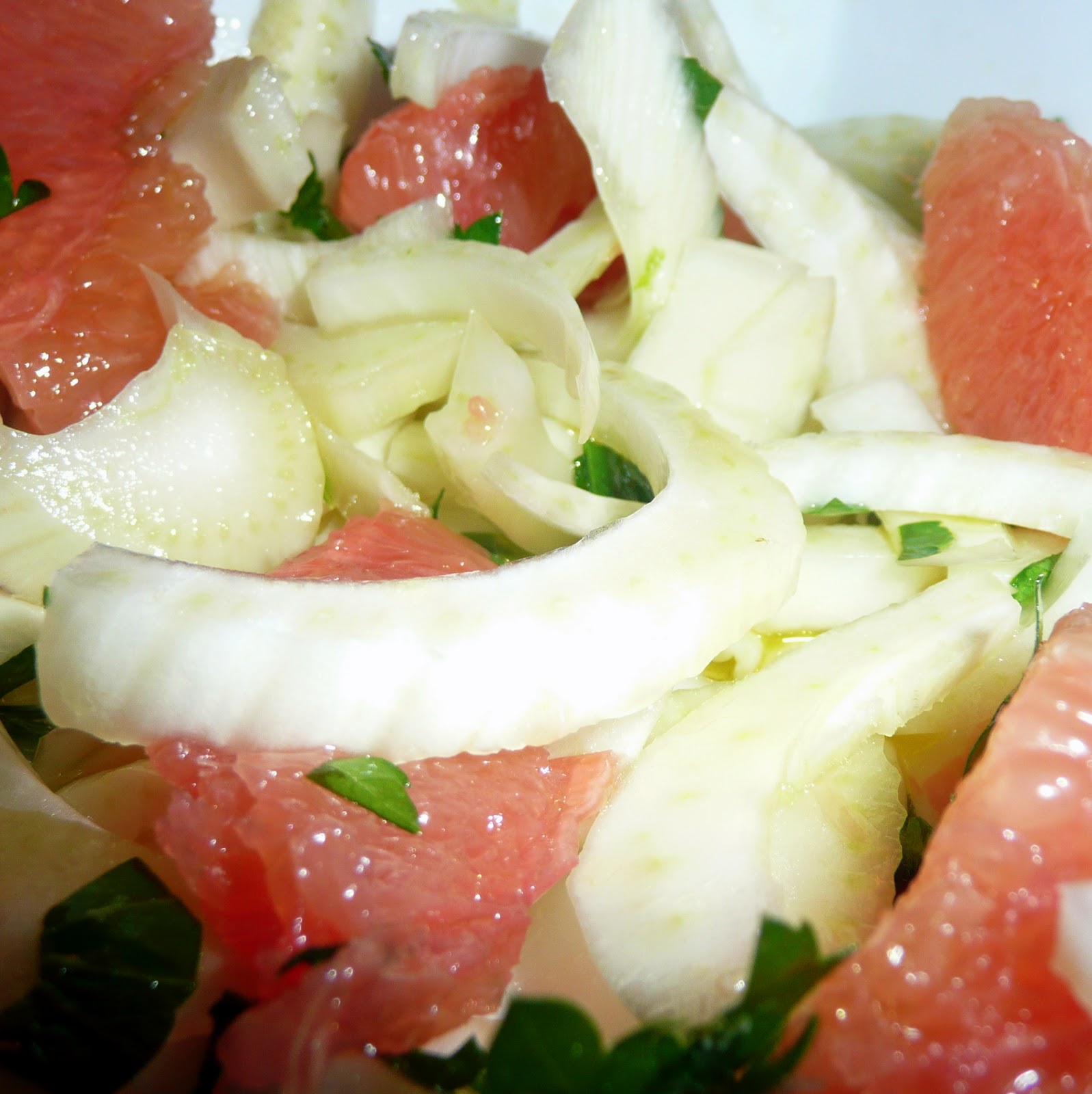
Combine the grapefruit sections, fennel, and parsley in a bowl. Set aside.
grapefruit and fennel salad
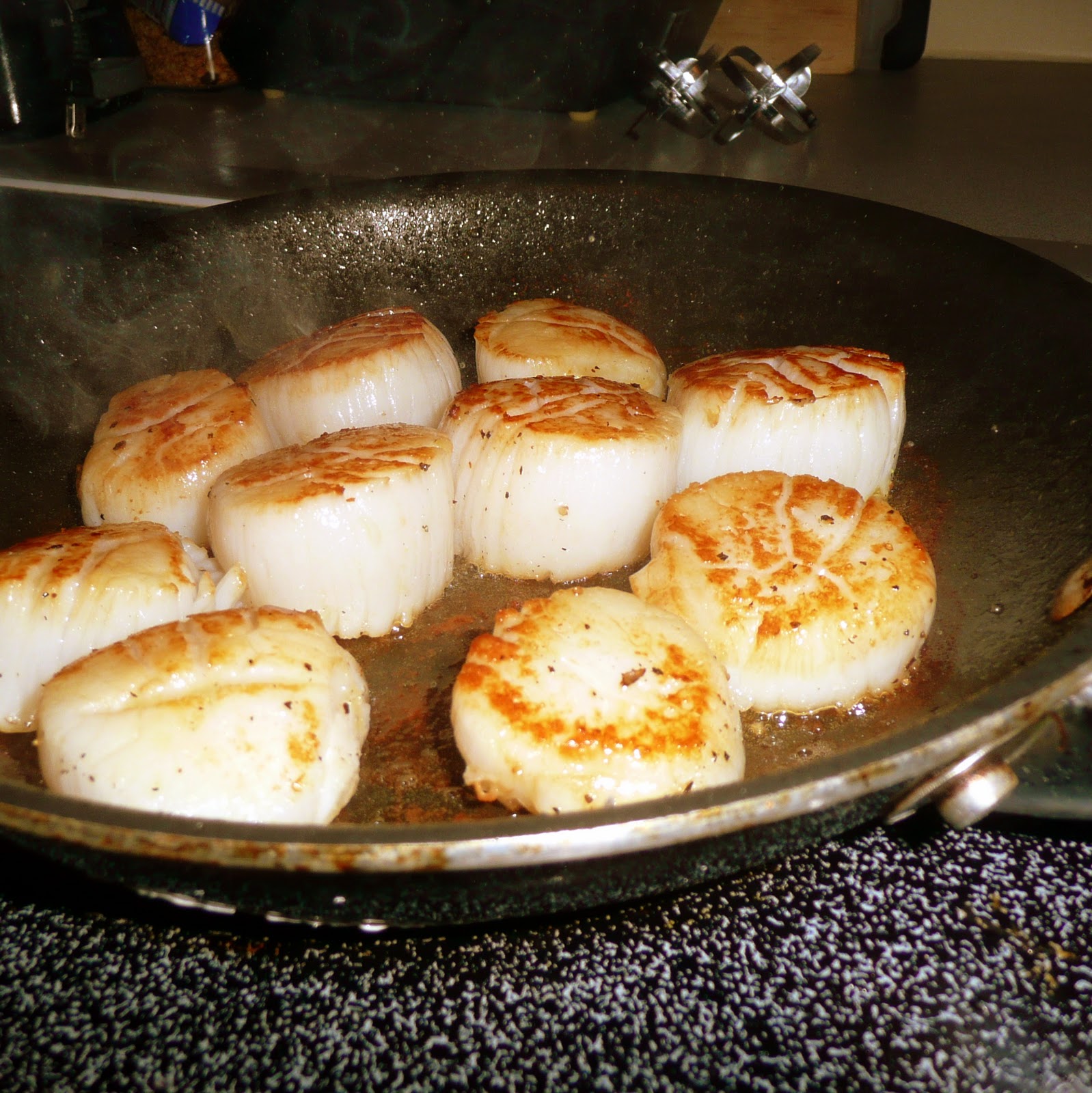
I always thought cooking scallops would be a daunting task, but it is actually really easy, and quick too! However, be careful to not overcook them, scallops can get very rubbery if left on the heat too long. This recipe called for pan frying the scallops so I started by heating 1 tablespoon of olive oil and 1 tablespoon butter in a sauté pan. While waiting for the pan to heat up, I sprinkled some salt and pepper on the scallops and then added them to the pan one by one (I used tongs to put them in so that the liquid didn’t splash all over the place). Let the scallops cook one that one side for about 4 minutes. Use the tongs to flip the scallops over and cook for another minute. Remove the scallops and keep warm.
seared scallops
Add the reserved grapefruit juice to the pan and cook for about two minutes. Remove from heat.
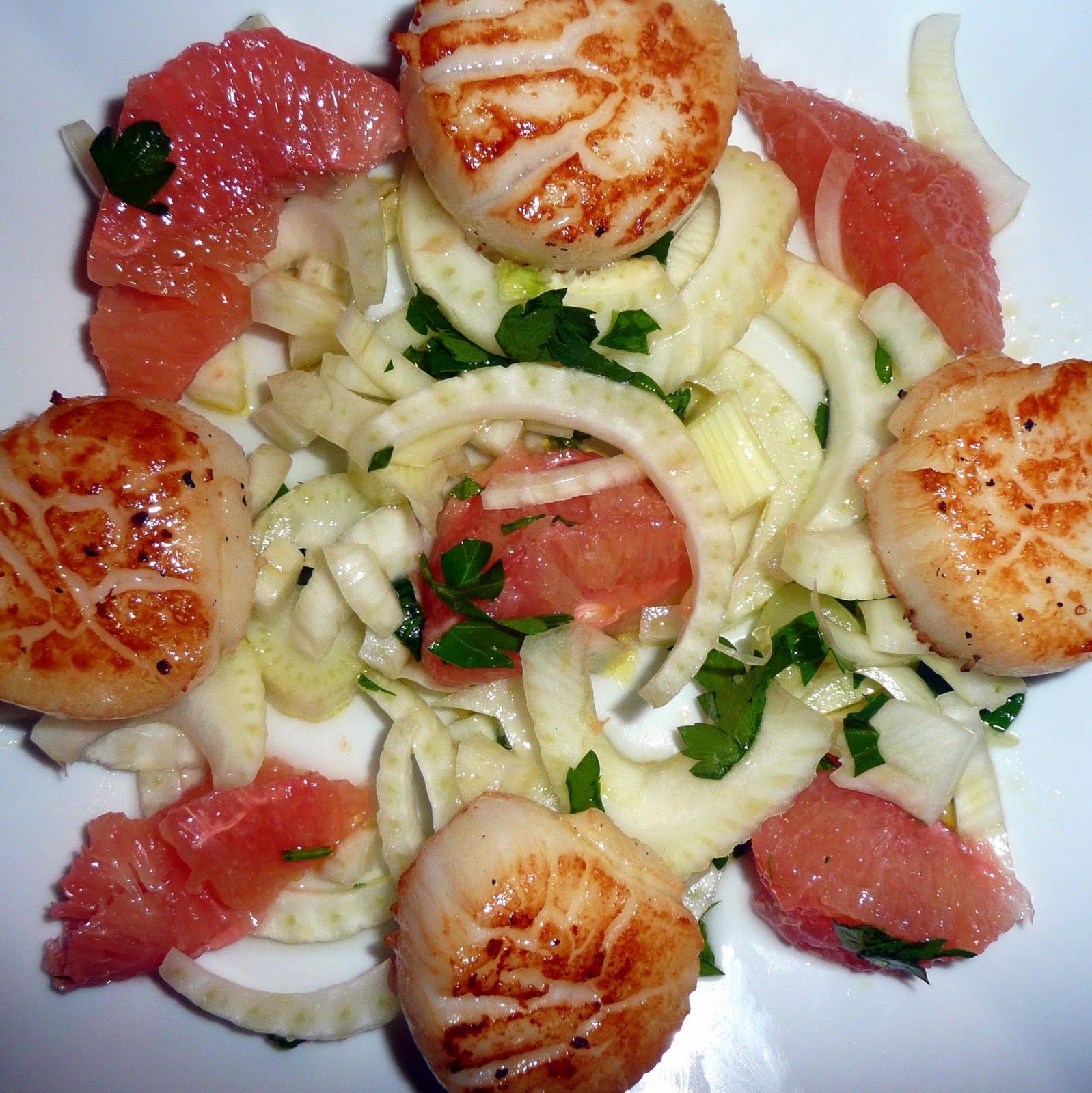
To assemble the dish: place half of the fennel mixture on each plate (I made two servings). Divide scallops evenly (each plate should have 4-6 scallops) then top with half of the rendered juice.
This ended up being a really pretty dish, if I do say so myself. Taste-wise, it was something nice and different, but I don’t think I enjoy fennel ( = mild licorice) enough to add this to my list of rotating dinners. However, I’m pretty jazzed to add scallops to my list of foods I can handle cooking!

Mexican Night

With Thanksgiving right around the corner, I need to clean out my fridge to make room for all of the leftovers I plan on hoarding from my relatives. (I love that they end up feeding me for the whole weekend) The best (and tastiest) way to do this is to make tacos for dinner.

Ingredients

  • Chicken
  • Taco Seasoning (recipe below)
  • Yellow Rice
  • Lettuce
  • Tomatoes
  • Onions
  • Green Pepper
  • Guacamole (recipe below)
  • Cheese (I used pepper jack and cheddar)
  • Taco shells or soft tacos
I usually have most of the above lying around, which is why this is my favorite recipe to get rid of a bunch of ingredients. As a side note: I live alone, so I just buy a bunch of chicken on sale, put the pieces in individual freezer bags, and pull them out the day before to defrost in the fridge.

Preheat oven to 350 degrees. Cook the rice according to directions. While the rice is cooking, put 1 tablespoon olive oil in a pan on medium heat. While that warms up, season the chicken with the taco seasoning.

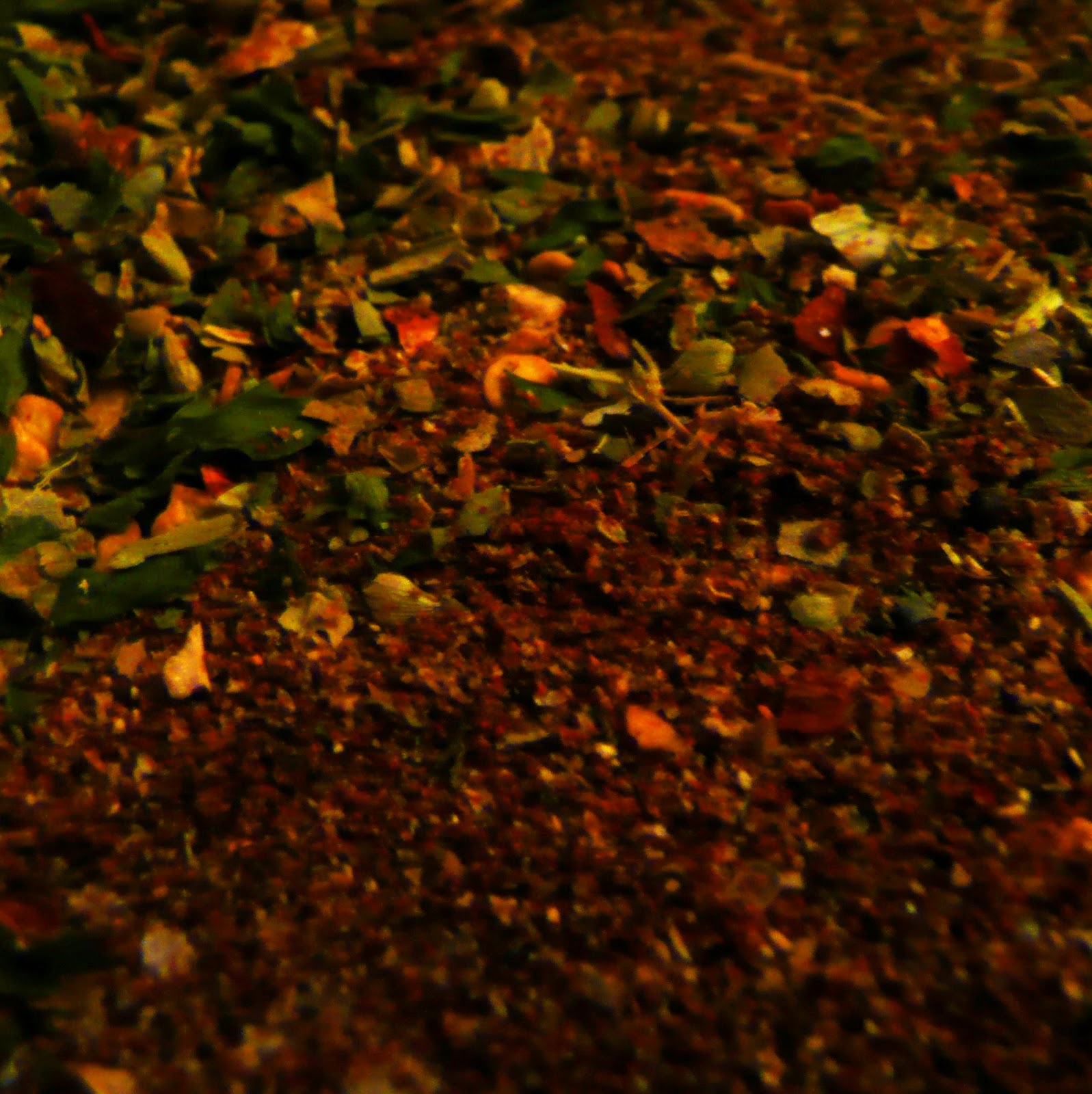
  Taco Seasoning Recipe

Taco Seasoning
    •  4 parts chili powder
    • 4 parts ground cumin
    • 2 parts paprika
    • 2 parts salt
    • 2 parts black pepper
    • 1 part garlic powder
    • 1 part onion powder
    • 1 part crushed red pepper flakes
    • 1 part dried oregano

     Mix. Store remaining spice mix in an airtight container.

Brown the chicken on both sides and place in the oven for 20 minutes. While the chicken and rice are cooking, chop all vegetables (tomatoes, green peppers, onion and lettuce)
To make the guacamole, cut avocados removing the seed. Put in a bowl and mash with a fork. Add onion, some chopped cilantro, chopped onion, 1 teaspoon lime juice, 1 teaspoon lemon juice, 1/2 teaspoon salt, a dash of black pepper, and some of the chopped tomato. Mix.
Homemade Guacamole
Make sure to leave yourself enough onion and tomato to have as a topping for your tacos. Once the chicken is finished cooking, cut into bite size pieces and serve.
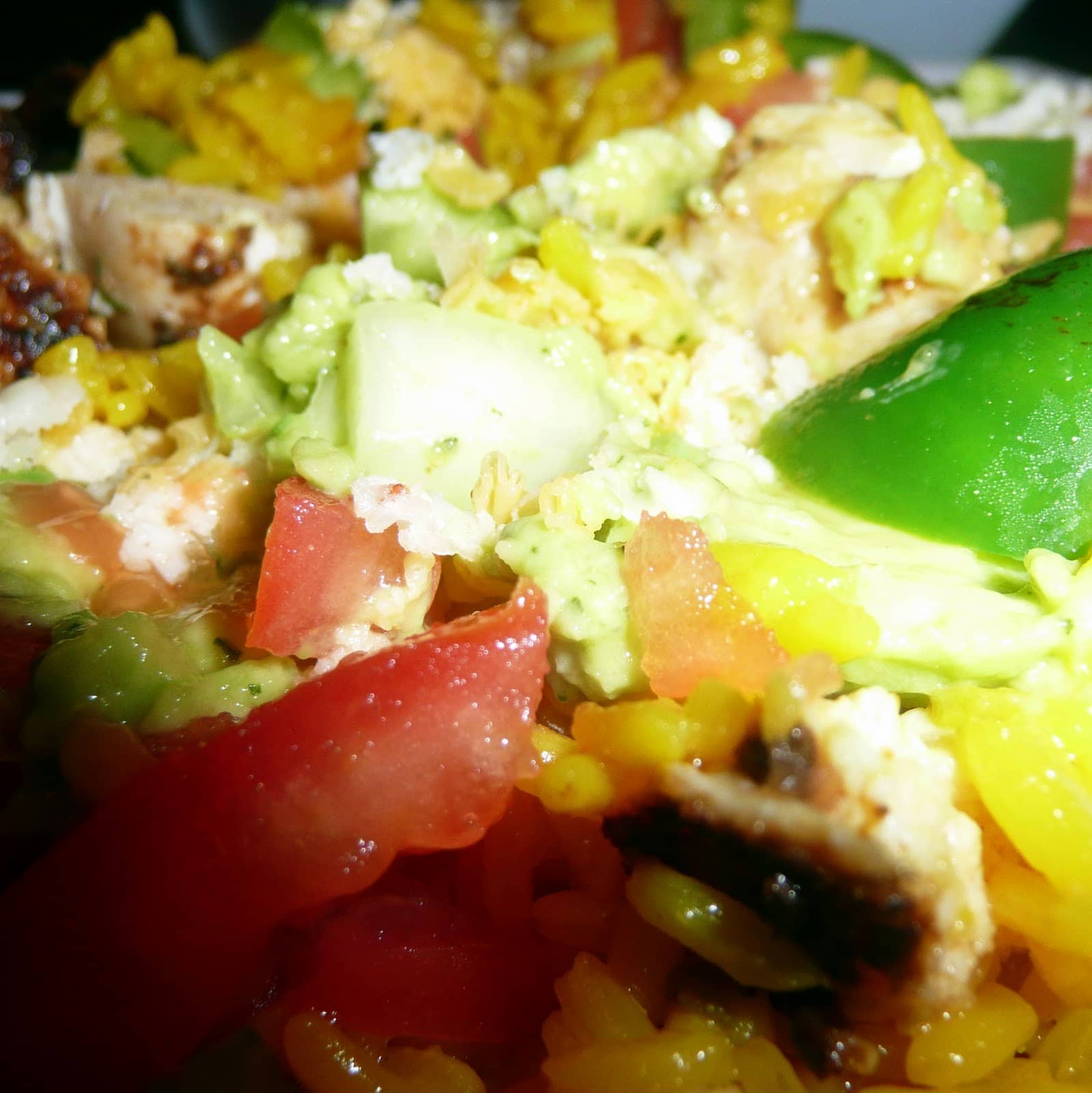
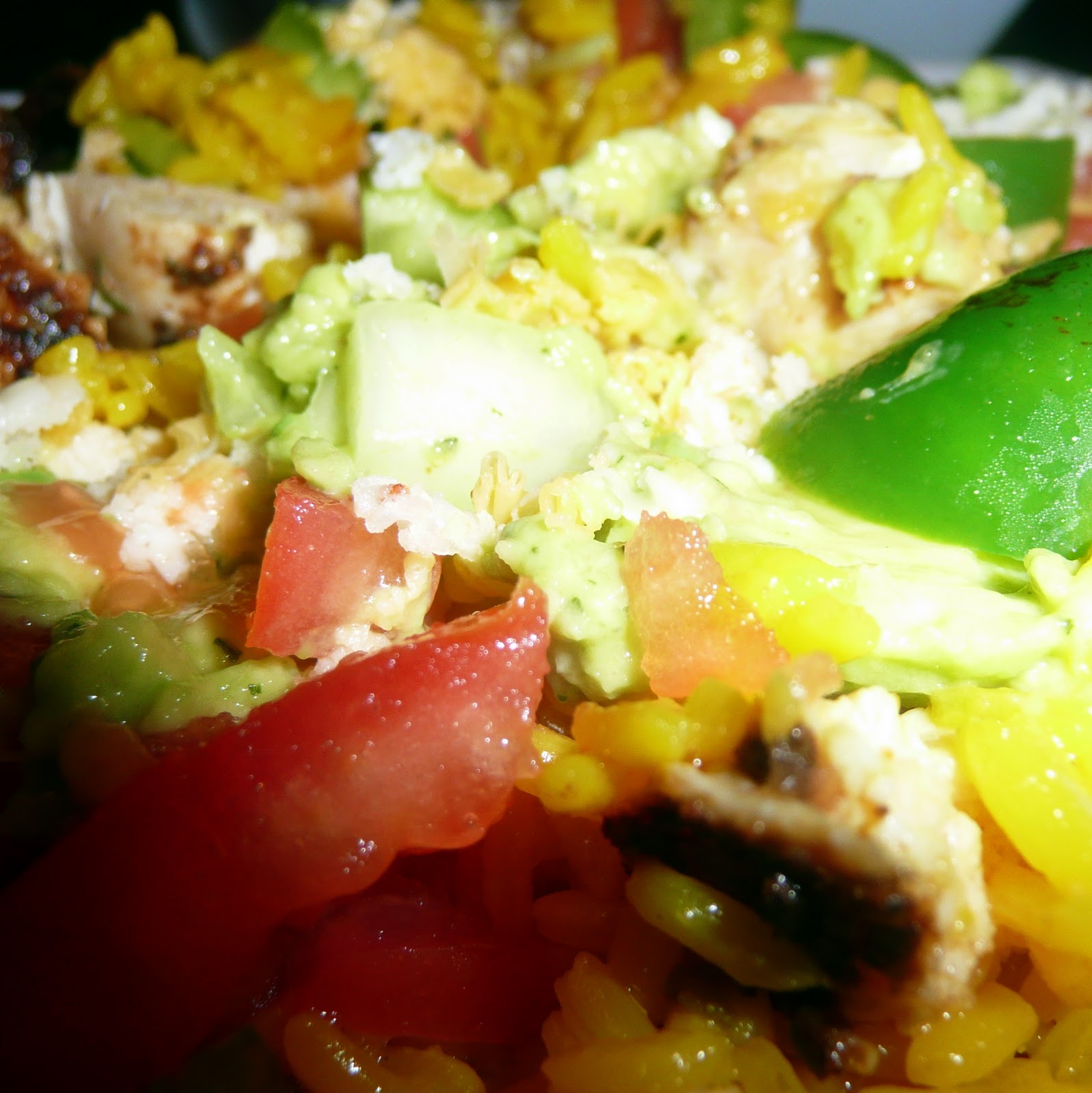
Not to shabby of a spread!
Each person can build their own taco to their liking. I usually take the leftovers and combine them for lunch the next day too. Yum!
Finished Product

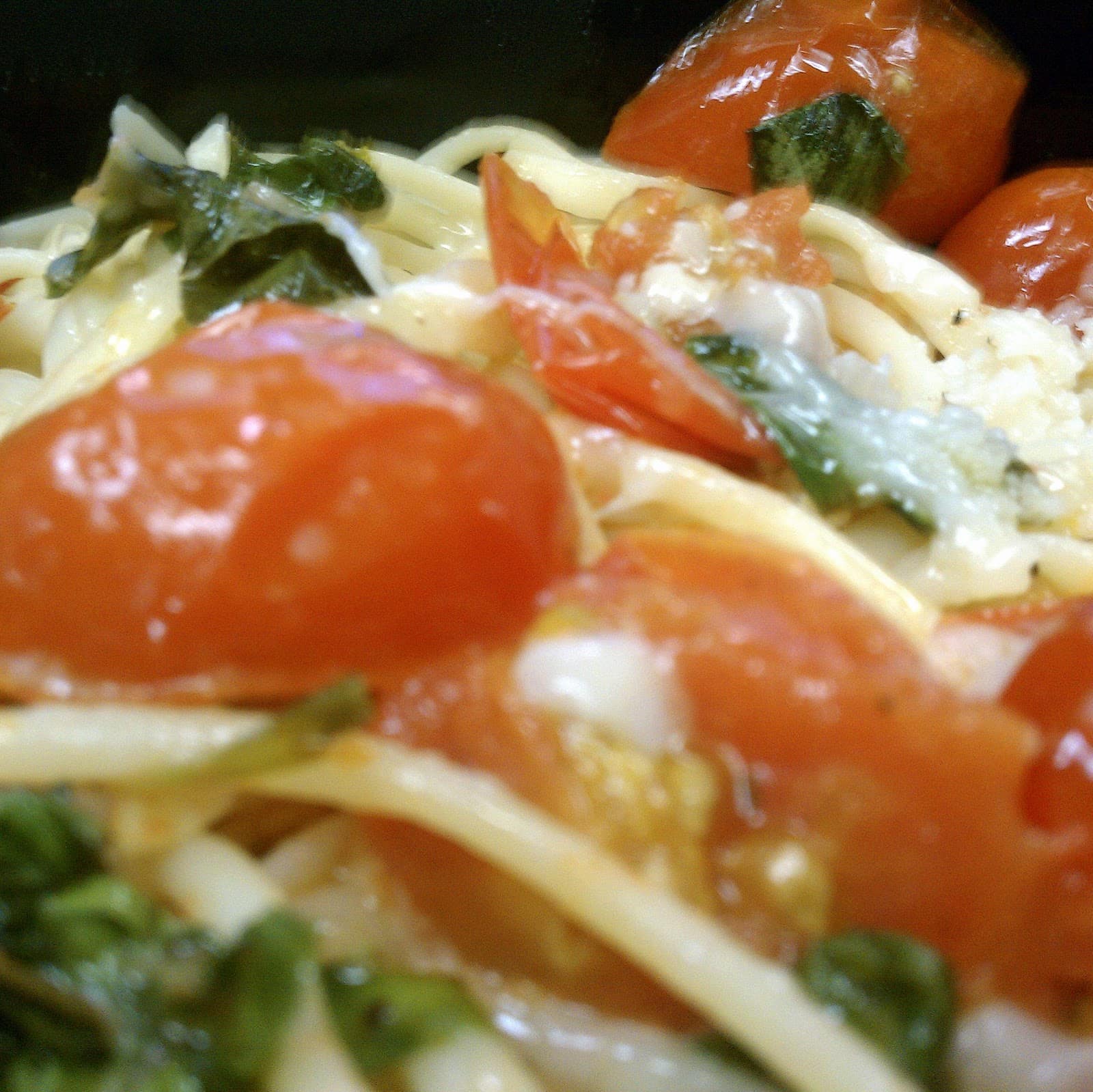
Pasta with Fresh Tomato-Basil Sauce

As the days grow colder, I begin to mourn the loss of one of my favorite summer ingredients: tomatoes.  I know, I know, tomatoes are available year round. But they lose their appeal when they begin to look like Styrofoam.  Trying to get in one last hurrah with fresh tomatoes, I decided to try a recipe from Cooking Light (September 2010 edition, I’m a little late in my preparation), “Pasta with Fresh Tomato-Basil Sauce”.

Ingredients
  • 1  (9-ounce) package refrigerated fresh fettuccine (I substituted box spaghetti, I’m sure fresh pasta would really enhance this dish though)
  • 2  tablespoons  olive oil
  • 3  garlic cloves, minced
  • 4  cups  cherry tomatoes, halved
  • 1/2  teaspoon  salt
  • 1  cup  fresh basil leaves, torn
  • 1/4  teaspoon  freshly ground black pepper
  • 2  ounces  Parmigiano-Reggiano cheese, shaved (about 1/2 cup)

Continue reading Pasta with Fresh Tomato-Basil Sauce

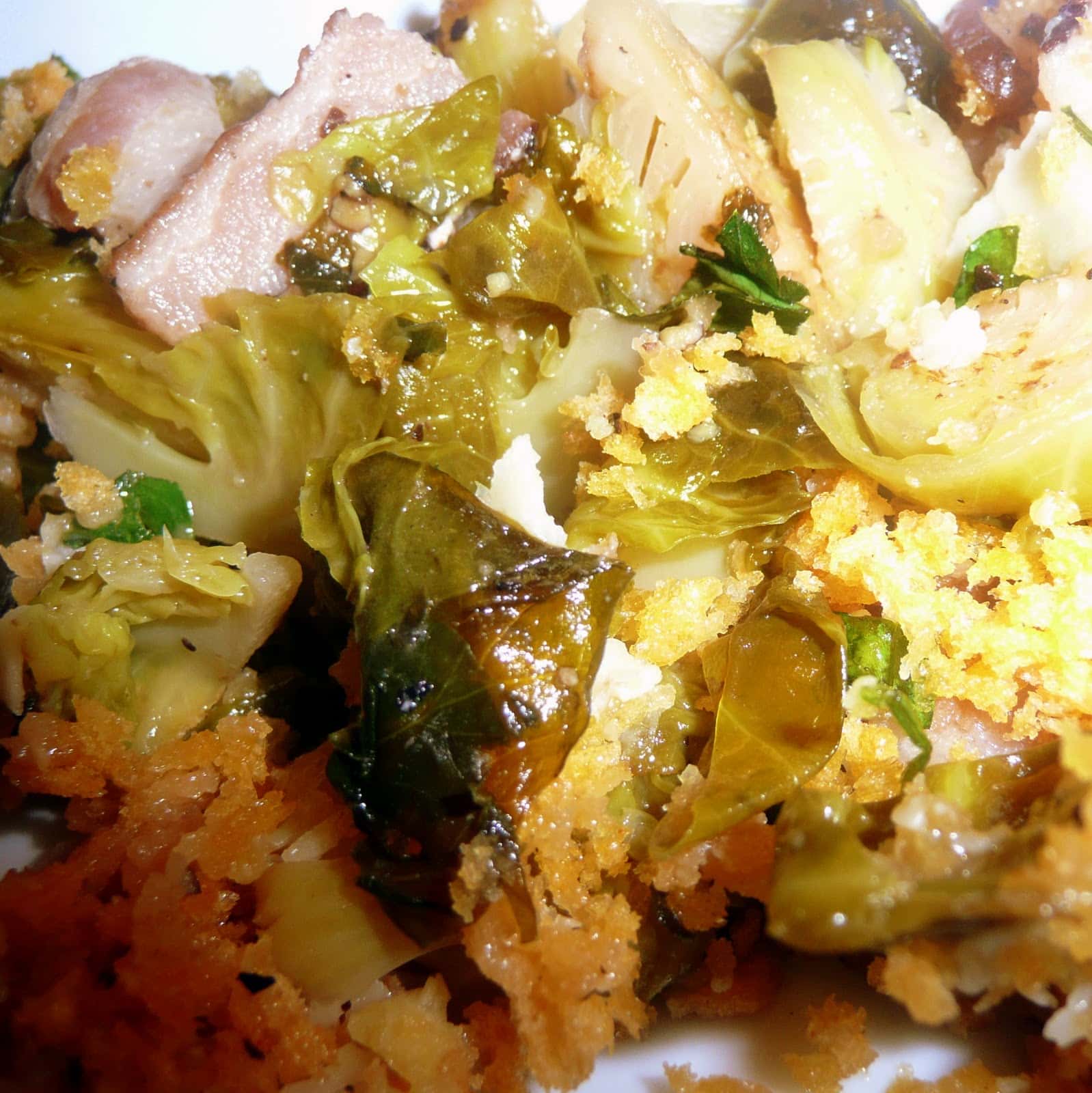
Bacon Braised Brussels Sprouts

I made my weekly trip to Reading Terminal’s Iovine Brothers Produce and noticed huge display of Brussels sprouts. I honestly don’t think I’ve ever had Brussels sprouts and felt the need to try them out. I always feel bad for Brussels sprouts, everyone always hates on them. Essentially tiny cabbages (in look and taste), Brussels sprouts are loaded with antioxidants, vitamins C and A, and cancer fighting properties. I may or may not have negated a lot of the benefits of these little guys in my cooking preparation though, so I hope to make a healthier version in the coming weeks.

As a heads up, Brussels sprouts should most certainly not be overcooked; they begin to release a sulfur odor which will really ruin your appetite.

This recipe for Bacon Braised Brussels Sprouts is a good introduction to Brussels sprouts in my opinion. It includes bacon, and honestly, what isn’t better with bacon? I used a recipe from foodnetwork.com as a base, and just changed the recipe to fit my tastes and what was in my fridge. The original recipe can be found here.

Ingredients:

    • 1 lb Brussels sprouts (washed & quartered. stems removed)
    • 2 slices of bacon cut into smaller pieces
    • 3 cloves minced garlic, divided
    • 2 tablespoons chopped fresh parsley, divided
    • 2 cups chicken broth
    • Salt, to taste
    • Pepper, to taste
    • 1 tablespoon balsamic vinegar
    • ¼ cup grated or shaved Parmigiano Reggiano cheese
    • ½ cup panko bread crumbs
    • Extra-virgin olive oil

Continue reading Bacon Braised Brussels Sprouts

Exit mobile version